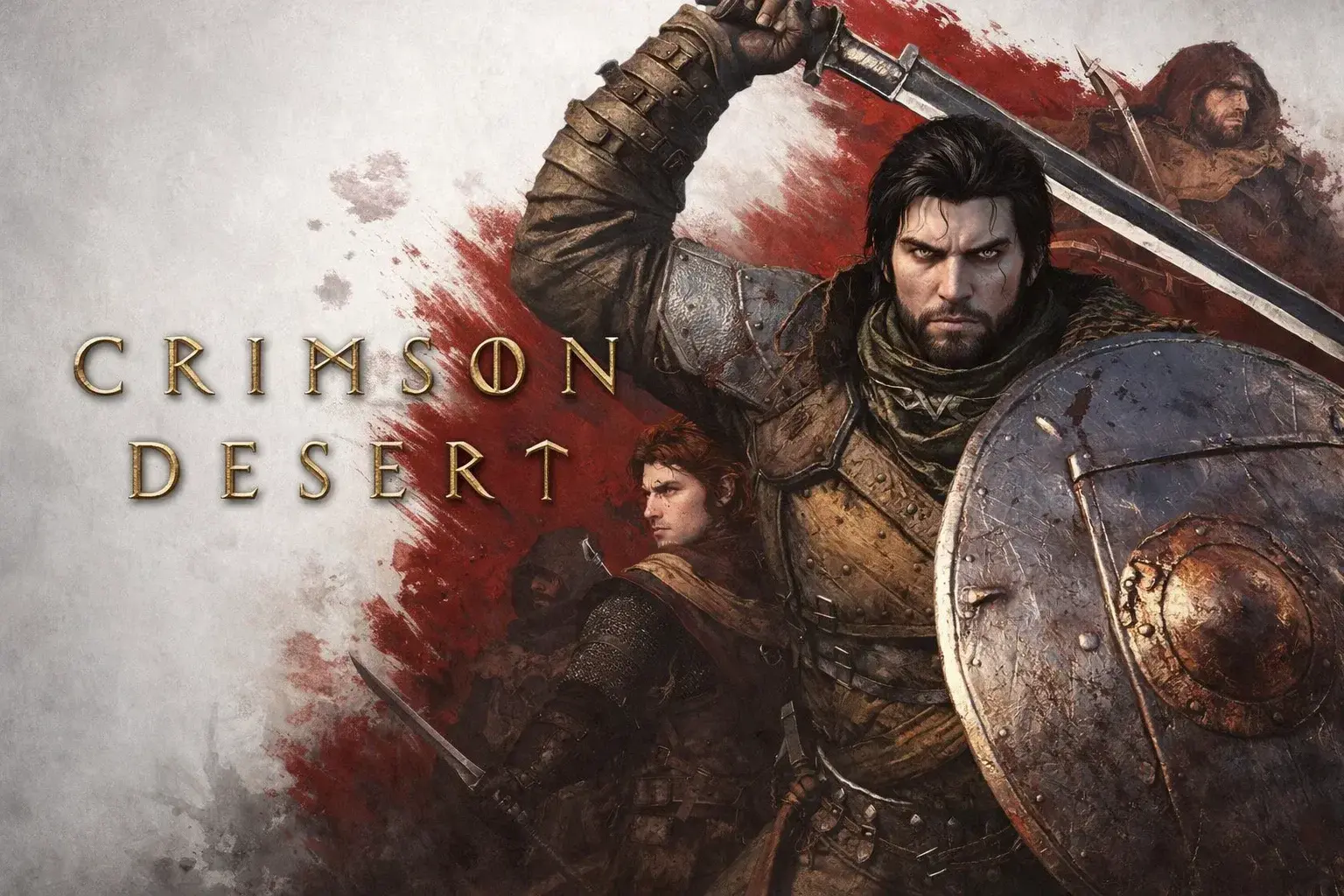

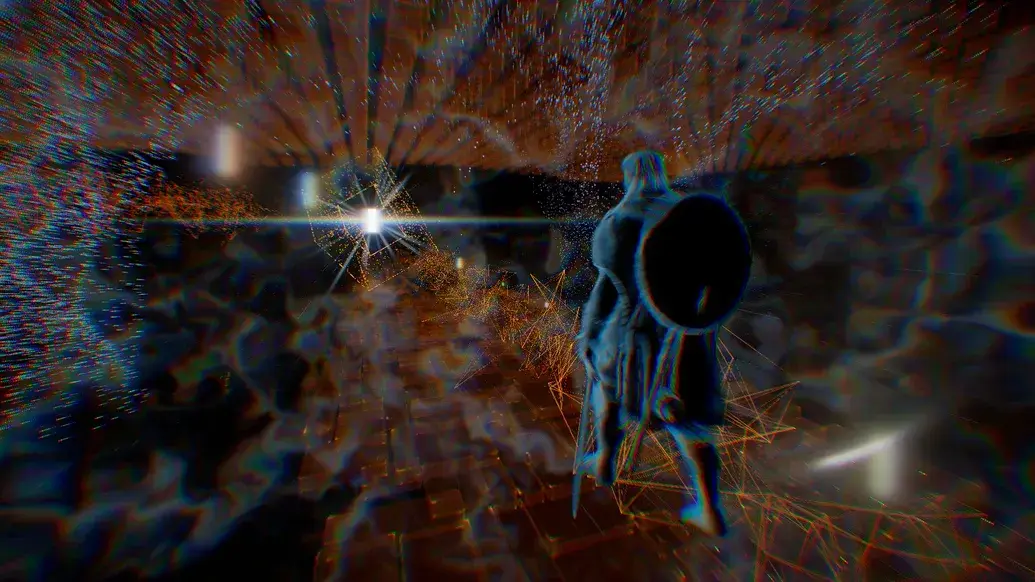
Entering the world of Crimson Desert is a multistage process that signals the sheer scale of Pearl Abyss’ latest endeavor. Players are met with a sequence of three loading screens – a progression that moves from a standard shader bar to a blocky realm with a twinkling horizon, and finally to a celestial gangway. It is here that Kliff, the protagonist with a distinct Scottish lilt, walks toward a blinding white light. This transition into the game world of Pywel is framed with a sense of profound significance – as if the player is not just loading a game, but stepping into a digital afterlife.
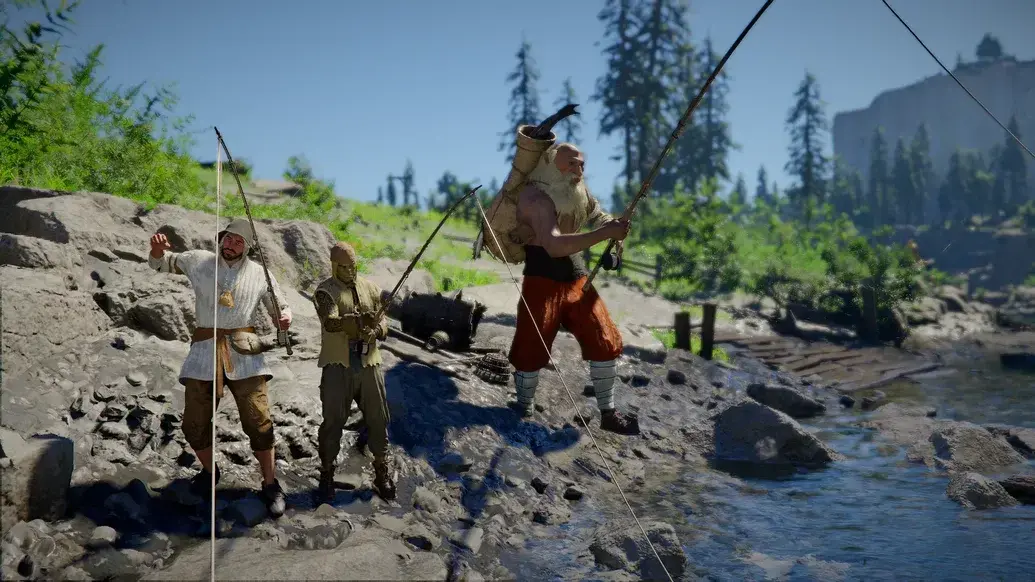
The initial impression of this world justifies such a grand entrance, especially within the serene confines of Hernand. This region serves as a bucolic paradise for those deeply invested in traditional fantasy aesthetics. Winding paths are lined with wicker fences, and the landscape is populated by industrious peasants tending to beehives, fishing in clearwater rivers, and harvesting vegetables. Wildflower meadows sway in the breeze near chalk cliffs while deer graze in the shade. It is an inviting, picturesque environment – even if violent bandits are constantly lurking just out of sight, ready to strike.
However, the game quickly shifts from serene landscapes to a chaotic storm of mechanics. Players must master a dizzying array of abilities with complex names, such as Axiom Force – a magical grappling hook reminiscent of modern sandbox staples – and Force Palm, which allows for supercharged physical strikes. These powers are introduced early on by a mysterious beggar who leads Kliff to a technological fortress in the sky. Here, he receives a feathered cloak that grants the ability to transform into a bird-like creature. The opening hours are a breakneck experience – a relentless barrage of tutorials that eventually settles into a more familiar rhythm of fetch quests and routine tasks.
The narrative begins in the aftermath of a brutal defeat. Kliff and his mercenary band, the Greymanes, have been scattered following a bloody clash with a rival group known as the Black Bears. After miraculously surviving a sword wound to the abdomen, Kliff wakes up alone on a riverbank. His immediate goals are simple yet grueling: he must scrap with local knights, hunt down criminals, and track down his missing comrades to rebuild his fallen faction.
As the story unfolds, the dialogue takes a surprisingly gritty turn, with the writers seemingly attempting to surpass the vulgarity seen in adult fantasy television. The script is peppered with aggressive profanity and colorful insults that feel designed to shock. Despite this hard-edged language, the characters often struggle to feel like genuine people. Kliff himself – with his rugged looks and penchant for pouting – feels more like a standard, vanilla avatar for the player rather than a vivid, deeply realized hero with a unique personality.
The game truly finds its footing when the talking stops and the combat begins. Despite some lingering issues with the camera and an erratic lock-on system, the act of cracking skulls is immensely satisfying. The showdowns combine traditional melee weaponry with a taekwondo-inspired moveset, creating a rhythm that feels closer to a dedicated fighting game than a standard RPG. Hits land with a heavy, crunching impact – thanks to well-timed hit-stops – that gives the action a sense of “oomph” reminiscent of high-octane titles like Devil May Cry.
The depth of the sandbox carnage is almost overwhelming in its variety. Beyond simple swordplay, Kliff can grapple with enemies, hurl them across the battlefield, and even weaponize the environment by tossing trees or heavy objects at his foes. One of the more eccentric combat options allows the hero to transform into a spinning flurry of attacks – a move that bears a striking resemblance to the signature style of Sonic the Hedgehog.
One of the more elegant design choices in this complex system is how Kliff and his companions, Damiane and Oongka, acquire new skills. Instead of just spending points in a menu, they learn combat moves by observing their enemies in action. This philosophy of discovery extends to the entire world – players learn about ingredients by examining them in shops and discover character names through direct conversation. This inventive approach to information helps ground a game that is otherwise prone to inducing sensory overload.
Despite these clever touches, the experience often sags under the weight of its own complexity. As the story moves through its digestible chapters, the momentum frequently stalls to explain new systems. While the visual presentation remains stunning even on older hardware, the initial luster can fade as the player settles into the grind. Yet, moments of pure absurdity continue to surface – such as launching a horse off a massive cliff only to have Kliff bounce into the air to initiate an aerial transformation.
This eccentricity defines the Crimson Desert experience, leaving players to wonder if the design is a work of genius or a shameless collection of borrowed ideas. The developers have integrated many unique mechanics from the most successful action-RPGs of the last decade, blending them with the resource-heavy grind of their previous title, Black Desert Online. This manifests in a slow cycle of harvesting and crafting iron ore – a requirement for gear upgrades that often distracts from the excitement of the main adventure.
The game’s approach to the player’s time can feel cynical, particularly when it comes to quest design. Many missions involve clearing out bandit camps where the primary objective is to kill hundreds of enemies while a percentage counter ticks away in the corner of the screen. After ten minutes of such repetitive activity, the comparison to “prestige Candy Crush” becomes hard to ignore – it is a high-budget experience designed to consume as much time as possible.
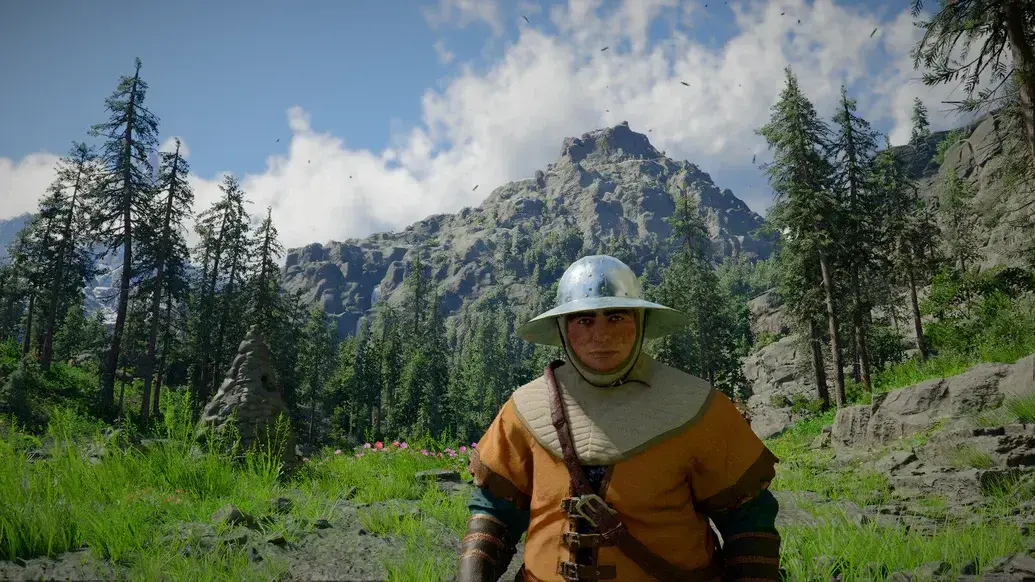
Visual variety remains one of the title’s strongest suits as players travel from damp marshes to towering redwood forests.
Pywel is capable of delivering moments of genuine atmosphere and wonder. Locations like Sunset Valley evoke the feeling of legendary fantasy realms like Rivendell, while Scholastone – a mountain center of learning where animals roam free – feels like a cross between a fairy tale and a nature documentary. However, once the visual awe wears off, the activities in these locations often feel hollow. Players may find themselves spending hours searching for items for NPCs who possess less character than the beautifully rendered vegetables in the market.
It is difficult not to compare this experience to titles like Dragon’s Dogma, where rules and systems work together to create a cohesive sense of adventure. In Crimson Desert, the elements feel “baggy” and disconnected. The developers have tried to include every possible activity in a single package, creating a world where the sheer volume of things to do can feel exhausting rather than exhilarating.
The scope of the game is massive, aiming to provide a life-dominating experience that can stretch between 50 and 100 hours of gameplay. This includes a vast array of side activities:
- Purchasing and maintaining a personal house.
- Managing and expanding the Greymane mercenary camp.
- Taming wild horses and customizing armor with dyes.
- Engaging in dragon riding and complex cooking systems.
This audacious pitch feels tailor-made for the modern attention economy, where every menu and interaction is built to keep the player engaged for as long as possible. Still, there are flashes of artistic brilliance that manage to shine through the commercial ideology. A duel in a swaying grass field can evoke the beauty of classic martial arts cinema, and the presence of towering, peaceful trolls wandering the world adds a much-needed touch of distinctiveness to the setting.
Ultimately, Crimson Desert is a technically impressive achievement featuring some of the best combat in the genre. Yet, the story and characters feel underdeveloped, and the world of Pywel lacks the grit and distinct flavor found in titles like The Witcher. Instead of a textured, memorable world, players are left with a massive digital banquet.
Imagine a feast where every dish has the faint taste of cardboard, and you are expected to keep eating for an eternity.