
The golden age of arcade racing, once defined by the high-speed thrills of Wipeout, Ridge Racer, and OutRun, has largely transitioned into a niche market. In the current landscape, the genre is primarily sustained by smaller independent developers, while the mainstream remains dominated by realistic simulators and various kart-style clones.
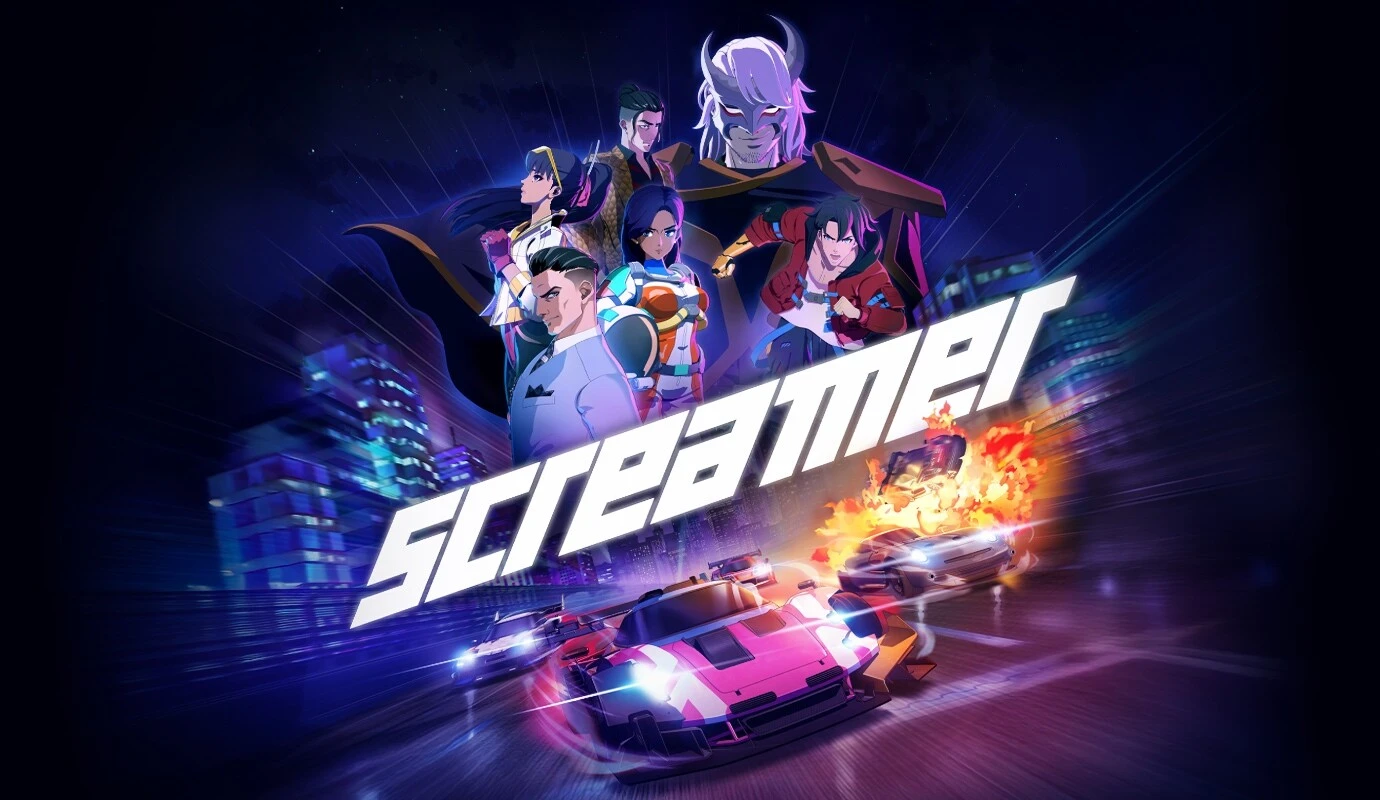
Defying this trend, the Italian studio Milestone – a veteran with over thirty years of experience in titles like MotoGP and Hot Wheels Unleashed – is returning to its roots. In a surprising move for 2026, the developer has launched a complete reimagining of its debut franchise, Screamer, opting for a bold anime-inspired visual style that sets it apart from contemporary competitors.
Narrative structure and tournament mode
The game’s narrative focuses on several international racing teams competing in a global championship with a staggering 100-billion-dollar prize pool. While this astronomical figure is intended to capture the player’s imagination, the core of the story unfolds through behind-the-scenes interactions and unexpected plot developments that occur between the races.
Screamer utilizes familiar narrative structures common to the genre, yet it manages to inject variety through its eccentric cast of characters, which includes a dog serving as a mechanic. Players will encounter a script that weaves together themes of aggression and revenge, offering several surprises as the story progresses toward its conclusion.
In practice, Milestone presents a traditional tournament structure that essentially functions as an elongated tutorial designed to unlock various vehicles and car parts. Beyond the main competition, an arcade mode is available, featuring diverse event types including a survival challenge where the first collision results in immediate elimination.
The multiplayer suite is equally robust, offering online matches for up to 16 players alongside a classic local four-player split-screen option for home sessions. Players can access a dedicated garage menu to repaint their vehicles or swap out various parts, though it is important to note that these modifications are strictly cosmetic and do not influence the car’s physical performance.
The central campaign is structured into 24 distinct episodes, excluding additional bonus content, and features significant amounts of dialogue. The objectives for these missions are varied:
- Standard race finishes or mandatory first-place victories
- Competitive team-based wins
- High-speed drifting challenges and vehicular destruction tasks
Gameplay mechanics and difficulty settings
Difficulty in the tournament can be tailored by adjusting either the AI intensity or the race parameters, yet this flexibility seems to falter after the seventh episode. This specific level is a standard circuit race requiring a top-three finish, but it represents the point where Screamer experiences a sudden and dramatic increase in challenge.
Even after numerous failed attempts on Normal difficulty, switching to the Easy setting does not always guarantee a podium finish, as players may still find themselves in last place. Even on “Very Easy” with reduced AI capabilities, the competition remains fierce, with opponents frequently overtaking the player in the final seconds of a multi-lap lead.
Through extensive trial and error, a viable strategy for victory has emerged – players must save and chain nitro boosts specifically for the final segments of the track. This approach is made necessary by the physics of rival cars, which act like unmovable objects on the asphalt and cannot be easily pushed off their racing line through side-to-side contact.
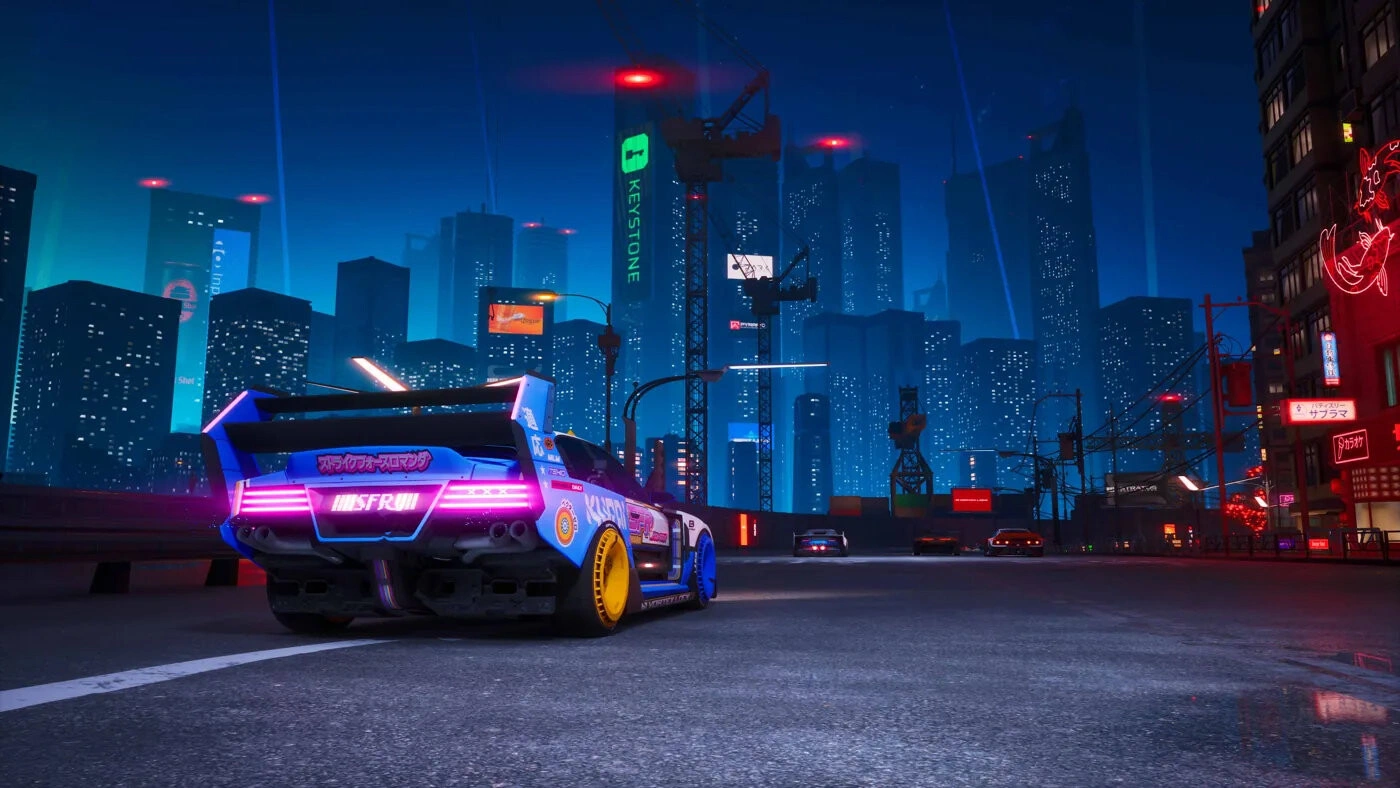
The control system is notably complex, as the developers have placed a heavy emphasis on drifting – a core mechanic that defined the original Screamer series. In addition to standard throttle and braking, players must manage gear shifts and nitro activation while utilizing the second analog stick specifically to control the car’s drift through tight corners.
Successfully executing drifts and maintaining clean racing lines allows the player to shift into higher gears and replenish the nitro supply needed for crucial overtakes. Drivers are encouraged to use acceleration on straightaways, where a well-timed release of the nitro button – similar to the active reload mechanic in Gears of War – grants a significant speed boost.
The developers’ most creative ideas are arguably found in the arcade mode, particularly in missions that task players with ramming and knocking out opponents. These events allow for an “overload” state that increases top speed but makes the car highly volatile; any collision will cause the vehicle to explode, though respawning is permitted to continue the race.
Technical features and accessibility
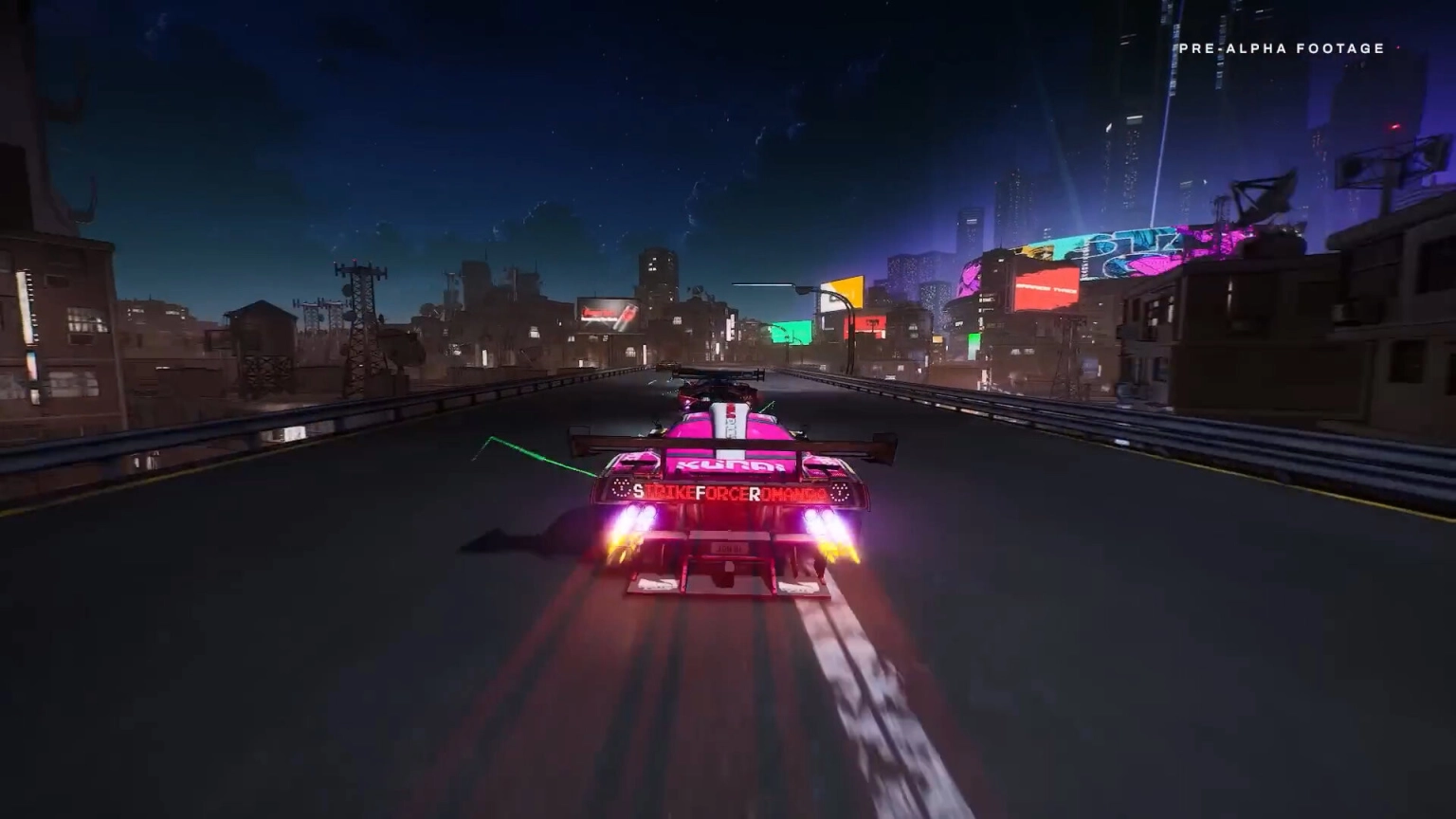
Milestone has invested heavily in character development, with team members speaking a wide range of languages including German, Italian, Japanese, English, French, and Hindi, though no Russian translation is provided. Furthermore, the game features comprehensive accessibility options such as colorblind modes, a slow-motion function, and specialized control schemes designed for one-handed operation. Visually, the title presents as a polished racer with quality special effects and track design, and while the animated cutscenes may not match the peak of modern Japanese production, the character models remain detailed and memorable.