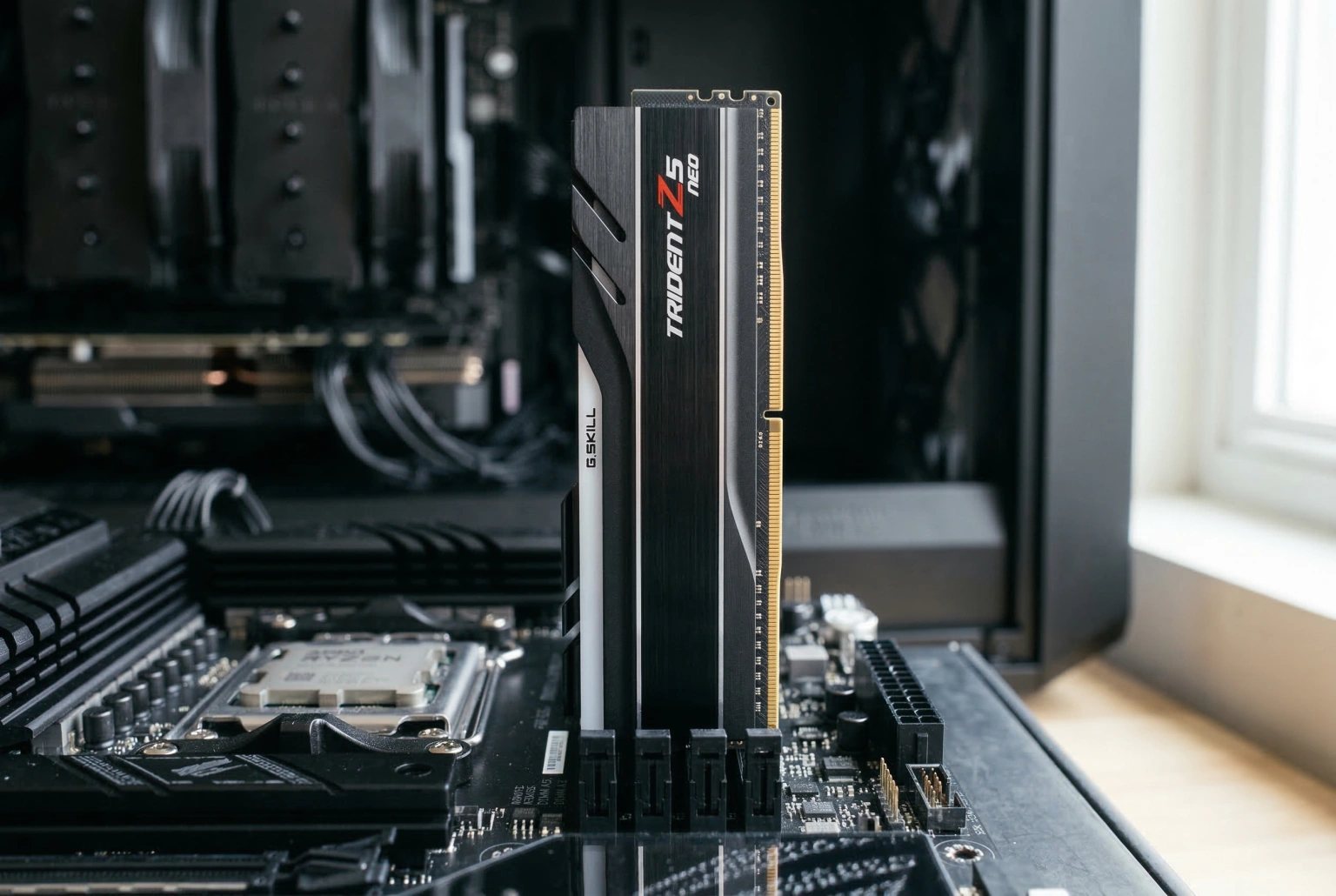

The GDC 2026 conference in San Francisco opened under a heavy cloud of industry-wide anxiety. While the first day was marred by news of layoffs at EA and a general sense of existential dread regarding generative AI, a more immediate economic threat dominated the conversation – the global RAM crisis. This shortage is no longer just a supply chain hiccup; it is actively reshaping how the biggest names in gaming plan for the future.
The meteoric rise of artificial intelligence has created an insatiable appetite for memory in data centers, effectively hijacking the global supply. This shift was the primary talking point among developers at GDC, casting a long shadow over Microsoft’s ambitious “Project Helix” for Xbox. With costs spiraling, the industry is forced to confront a difficult question – can the relentless pursuit of high-end graphical fidelity survive in an era of prohibitively expensive hardware?
For the average gamer, the math is brutally simple. RAM prices have skyrocketed, with some reports earlier this year indicating a staggering 300% increase in specific cases. Upgrading a PC has become a luxury expense, and because memory is a foundational component in almost every modern electronic device, the scarcity is creating a massive “snowball effect” that impacts both consumers and hardware manufacturers alike.
The mechanics of the shortage are straightforward but difficult to solve. Only a handful of major players, such as Samsung and Micron, produce these chips, and the financial incentive to prioritize high-margin AI components over consumer-grade RAM is overwhelming. Increasing production isn’t a quick fix – building new fabrication plants takes years, and the raw rare earth metals required are in short supply. Industry insiders at the conference suggested that this bottleneck could persist for at least another two years.
How this affects the actual development of games remains a point of contention. Some creators noted that while their personal rigs are now pricier to maintain, their daily workflows haven’t changed much yet. However, others see a dangerous indirect impact on the market. One industry marketer put it bluntly during a discussion:
This theme pops up in our discussions, especially when we look at the competitors.
The logic is that if players are forced to spend more on their hardware, they have less disposable income left to actually buy the games. This financial pressure is fundamentally changing the conversation around software pricing and market accessibility.
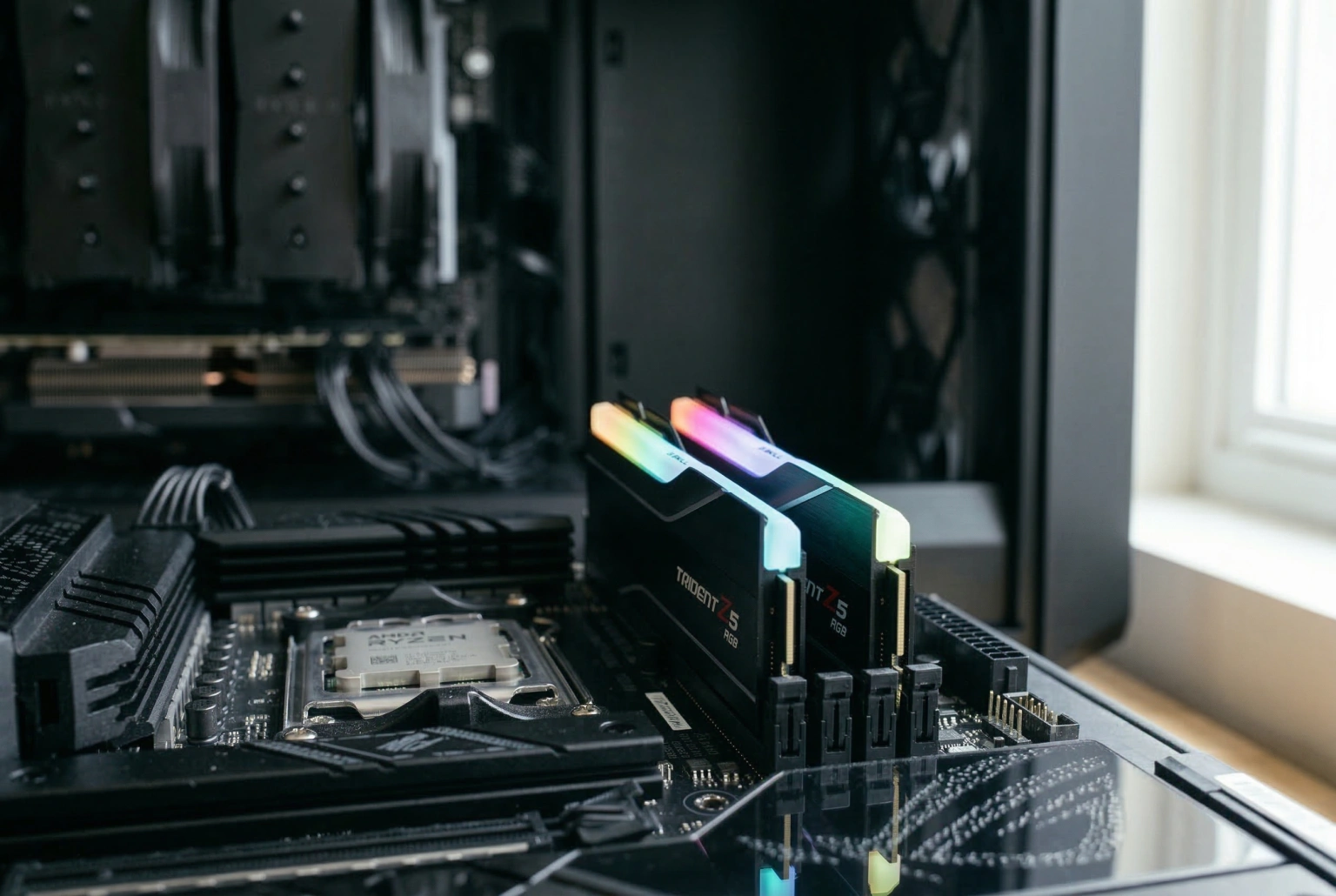
Speculation is also mounting regarding the next generation of consoles. While Sony is rumored to be eyeing a 2029 release for the PlayStation 6, Xbox’s Project Helix might arrive sooner, with alpha kits potentially reaching developers by 2027. The catch? Multiple sources at GDC expressed fears that such a machine could retail for no less than 1,000 dollars. Given the volatility of the memory market, these projections remain speculative, yet they underscore the deep uncertainty hanging over the industry’s hardware roadmap.
In response to these pressures, “optimization” has become the new buzzword. Several GDC panels focused on how to make games more efficient rather than just more demanding. Studios are already walking back their hardware requirements; for instance, TT Games recently slashed the recommended RAM for Lego Batman: Legacy of the Dark Knight from 32 GB down to 16 GB to ensure the game remains accessible to a wider audience.
This trend toward efficiency might signal a return to older techniques, such as more frequent loading screens or visible texture streaming, to keep memory usage in check. Interestingly, this could provide a massive boost for Nintendo, as more third-party titles might now be optimized enough to run natively on the upcoming Switch 2. This ripple effect has the potential to alter the design philosophy of the titles we play for years to come.
Not everyone is in a state of panic, however. Marc Subotnick, the Product Director at ProbablyMonsters and a former Intel executive, reminded colleagues that supply cycles are historically inconsistent. For veterans who have seen these waves before, the current crisis is viewed as a painful but temporary one-to-two-year hurdle rather than a permanent industry collapse.
Regardless of when the supply stabilizes, many professionals believe the shift toward better optimization was long overdue. The consensus at GDC was clear – the industry’s obsession with infinite visual growth at the cost of hardware accessibility has reached a breaking point that is no longer sustainable.
Ultimately, this period may be remembered as a vital wake-up call. It serves as a reminder that developers cannot always assume players have access to cutting-edge specs. Designing games with hardware constraints in mind isn’t just a survival tactic for a crisis – it is a fundamental best practice that builds a more resilient future for the medium.
To put it simply – optimizing games is just good business.