
Action racing enthusiasts can finally prepare to step on the gas once again.
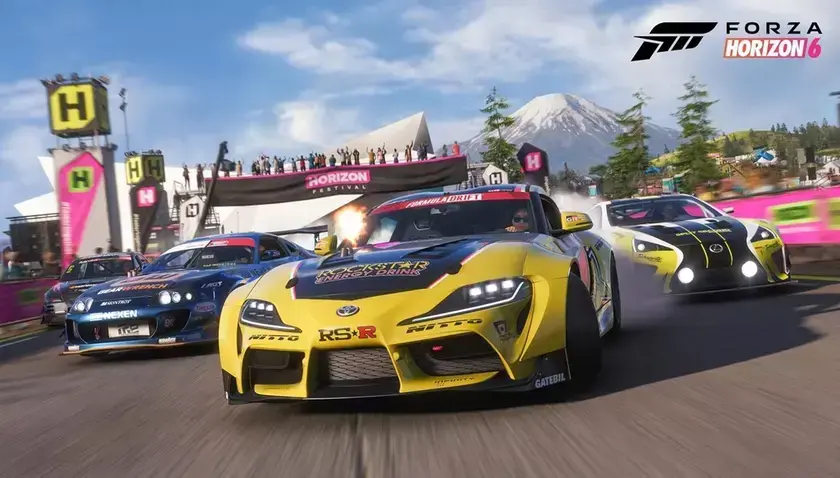
Following a long five – year hiatus, the celebrated automotive franchise officially makes its journey across the Pacific Ocean with the release of Forza Horizon 6. The action relocates from Mexico straight to the streets of Japan and Mount Fuji.
Anticipation has been mounting steadily since the initial teaser trailer debuted last year, and early hands – on play sessions reveal exactly what this new open – world racing entry delivers.
Visual design and regional aesthetics
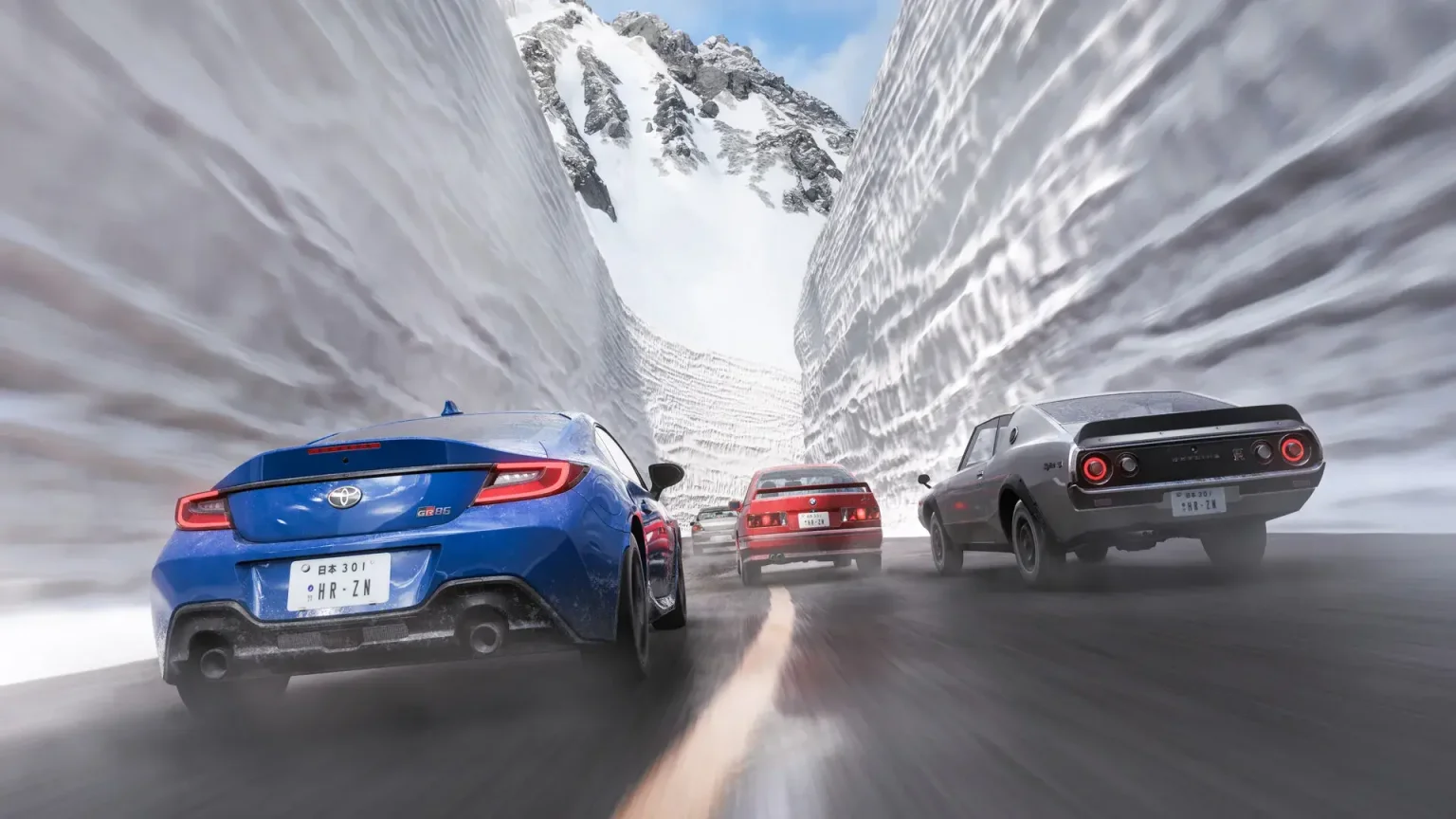
The latest installment demonstrates a clear technological evolution for the series, achieving major milestones in both core mechanics and graphics. Playground Games has captured the natural beauty of Japan, rendering breathtaking vistas that fly past as drivers push their vehicles.
The gameplay remains engaging, successfully avoiding the monotony often associated with massive car rosters where vehicles look like clones. In this title, no two cars feel or handle identically, a depth that combines with an updated festival layout to make every activity feel satisfying.
Campaign progression and structural adjustments
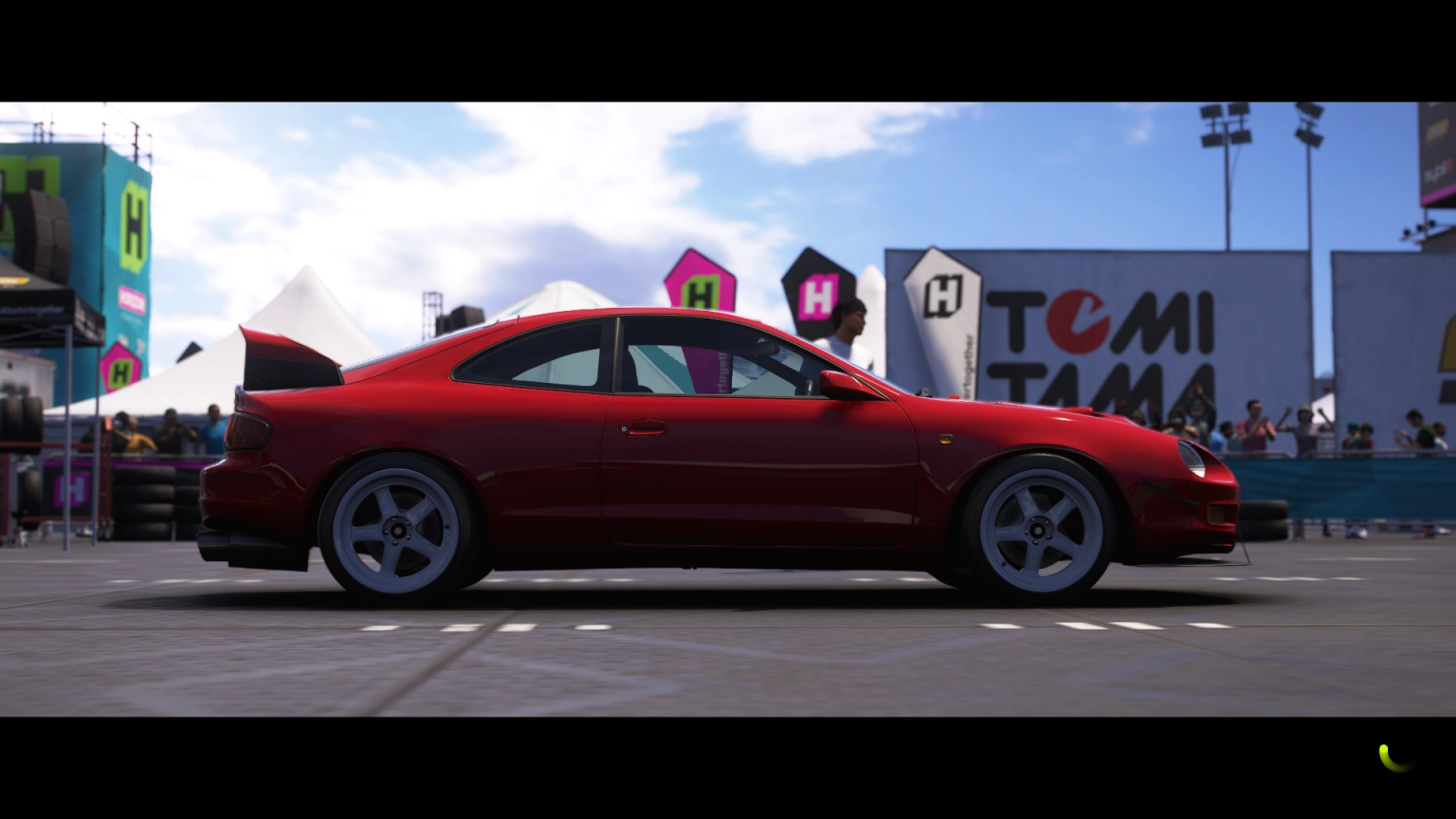
While the previous entry functioned as an open sandbox with immediate access to top – tier supercars, the developers implemented a more structured approach for this chapter.
Players no longer begin their racing career as an established superstar, entering the world instead as a regular tourist visiting the music festival. Rather than receiving an immediate fleet of Ferraris from a plane, the scale of operations is reduced, utilizing classic progression wristbands from early entries.
Every completed race rewards drivers with festival points, which unlock major competitive events as the campaign moves forward. Accumulating these wristbands allows players to unlock character customization items, new vehicles, and additional rewards, meaning that the festival progression cannot be bypassed.
Climbing the competitive career ladder step by step might initially feel demanding to some, but there is an undeniable satisfaction in working one’s way up from the absolute bottom in classic racing fashion.
The wristband mechanic also locks drivers into specific event tiers, with player levels rising gradually based on victories. This choice prevents erratic jumping between difficulty settings, keeping players from accidentally entering complex races before they are ready.
A dedicated endgame framework is built into the package, though pre – release versions provide limited insight into its full scope. Beyond the primary festival, supplementary content awaits exploration, including competitive multiplayer events, specialized Horizon races, and an experimental track creation tool.
Vehicle availability and market mechanics
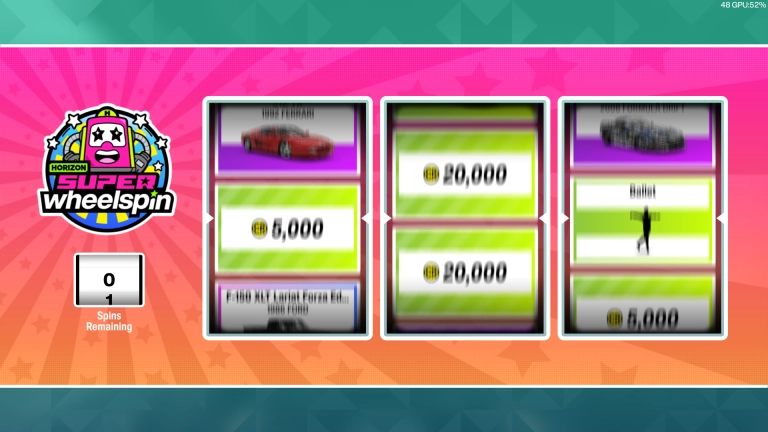
The base game launches with an impressive lineup containing over 550 distinct automobiles. While many models require credit balances, reward mechanics like Wheelspins and Super Wheelspins allow players to supplement their garages, ensuring drivers never run out of vehicular options.
Deep representation across multiple automotive categories ensures that players have an enormous selection whether they prefer conquering rugged offroad paths or navigating tight urban street circuits. By the time players reach the midpoint of the campaign, the sheer variety of available vehicle choices becomes genuinely apparent.
For enthusiasts seeking specialized options, a marketplace offers pre – owned vehicles at reduced credit costs in hidden spots, boosting collection prestige. The community auction house also returns for budget – conscious buyers, while opting for digital Deluxe or Premium Editions expands options.
Technical optimizations and ray tracing integration
The title represents a substantial technological leap forward, delivering a striking visual presentation that looks beautiful even on modest low – to – medium PC graphic settings. For players equipped with high – performance setups, enabling ray tracing features elevates the presentation to an entirely new standard.
This technique transforms environmental lighting and shadows, presenting night – time urban street maps with incredible realism while maintaining stable performance. Although minor micro – stutters occurred during pre – release test sessions, these optimization issues were easily mitigated with basic settings tweaks.
The development team balanced extreme visual appeal with robust accessibility settings, ensuring a premium racing experience without requiring expensive hardware. Future post – launch optimization patches are expected to resolve any remaining optimization issues, serving as a welcome performance bonus.
Customization options and real estate features
While racing and unlocking cars across Japan forms the primary loop, showmanship plays a vital role as players can buy residential properties to open up entirely new regional territories. Unlocking these residential hubs allows drivers to proudly display their vehicle collections and visit various automotive parks scattered across the country.
Introducing a massive franchise first, players now gain access to a personal estate – a massive plot of land that can be fully customized from the ground up. Featuring the ability to build custom structures, this mode functions similarly to a city – building simulator for players seeking a break from driving.
Visual and performance modification toolkits have received substantial upgrades, significantly expanding the overall creative options available to automotive artists. Although there is room for further mechanical refinement within the customization suite, the increased volume of modification choices represents a clear step forward for the series.
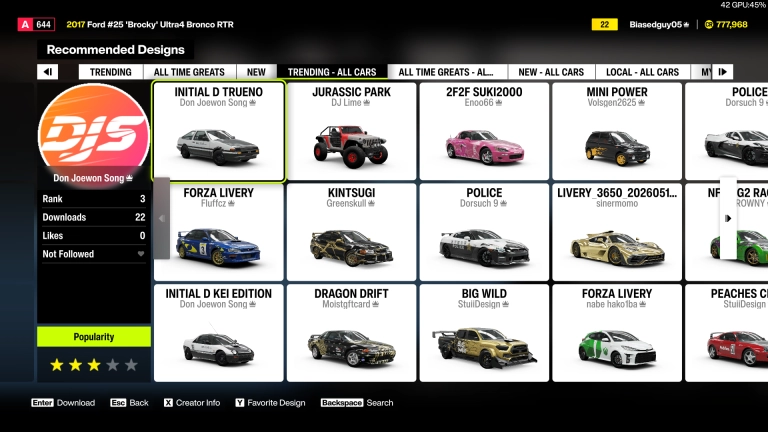
The total number of unique paint finishes, custom vinyl wraps, and decals has grown significantly, allowing players to craft truly individualized vehicle designs. Furthermore, drivers can instantly browse and utilize community – created liveries uploaded by early users.
While a broader selection of licensed real – world aftermarket brands would enhance immersion, the base game still provides an abundance of imaginative options. PC players will likely turn to community modifications to expand this aspect later, but the default sandbox provides plenty of creative freedom.
Control schemes and hardware compatibility
At the absolute core of this automotive experience lies the actual driving mechanics, which serve as the primary metric for any high – profile racing title hitting the market.
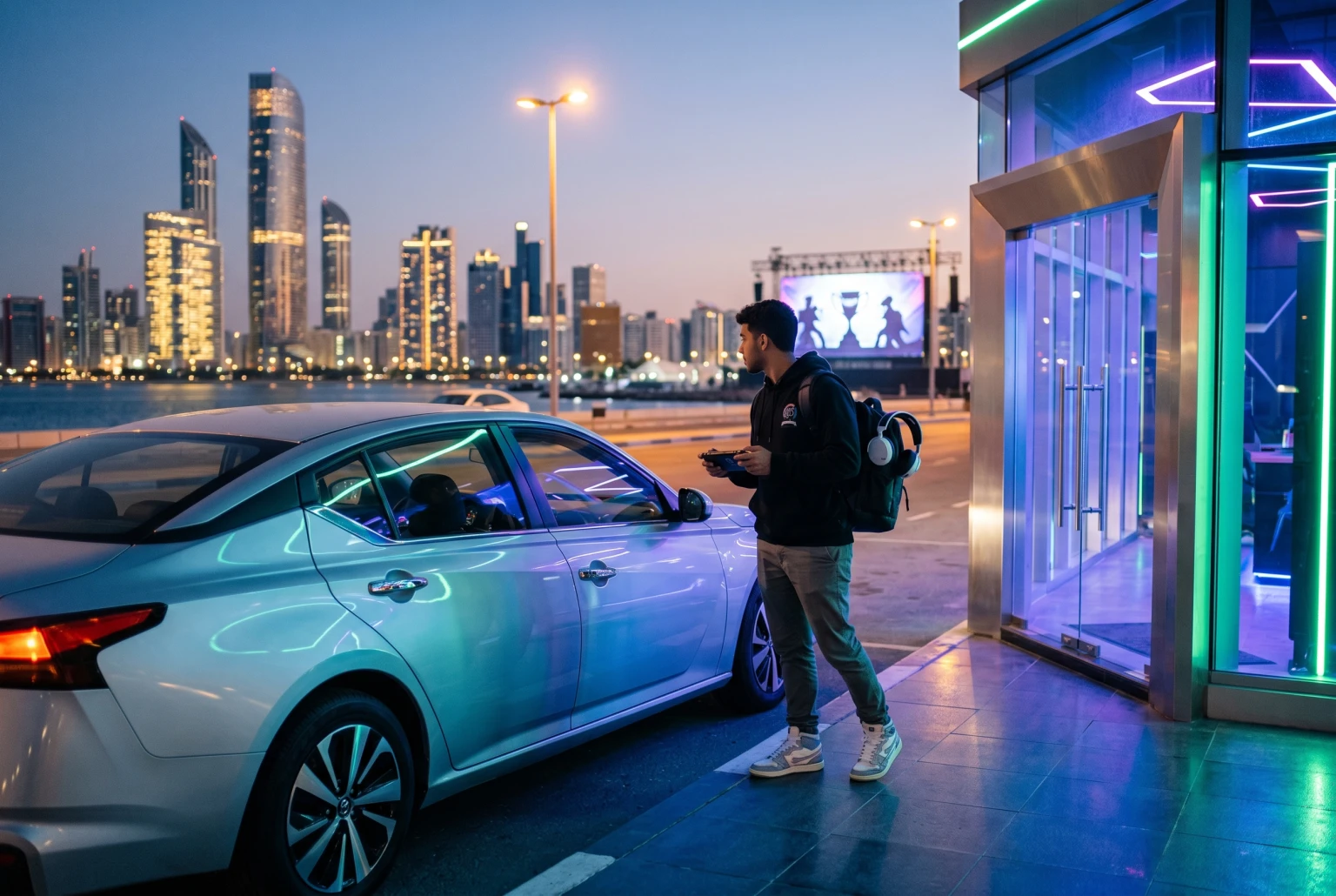
Testing reveals excellent responsiveness whether navigating the map using a standard controller or utilizing advanced racing wheel setups like the Logitech G29. A comprehensive suite of driving assists simplifies the experience for casual gamepad users, while simulation mode allows purists to chase higher rewards.
The game remains firmly rooted in arcade racing rather than pretending to be a full simulator, yet steering wheel integration is vastly improved compared to older entries. This upgrade stems from responsive force feedback that accurately distinguishes different road surfaces, allowing users to fine – tune settings.
Native compatibility for popular hardware functions smoothly out of the box, offering deep in – game adjustment menus for personalized calibration. Whether pushing a vehicle to its limits or cruising casually through Tokyo suburbs, utilizing advanced features like Forced Feedback and True Force increases sensory engagement.
Live service development and future updates
Ultimately, the latest entry functions as a soft reboot for the franchise by returning to its foundational roots centered around traditional rookie – to – champion progression loops. While tracing familiar career steps, this chapter establishes a much broader framework that promises to evolve significantly beyond its base gameplay structure.
With over 500 cars available at launch, the scope of the experience is slated to grow via an aggressive live service content roadmap. The developers have already confirmed that future festival formats will shift away from legacy structures, signaling a constantly expanding garage ecosystem for dedicated vehicle collectors.
Reduced input latency and refined mechanical feedback turn open – world exploration into a genuinely captivating journey across the new Japanese map. High – speed competitive events offer intense thrills, while casual free – roaming reveals a landscape dense with hidden secrets, collectibles, and treasures waiting to be discovered.
Crucial multiplayer features and evolving seasonal festivals can only be fully evaluated once public servers fill completely following the official launch. Despite these pending live elements, the game establishes an exceptionally strong foundation that is poised to grow even better as post – launch support continues.