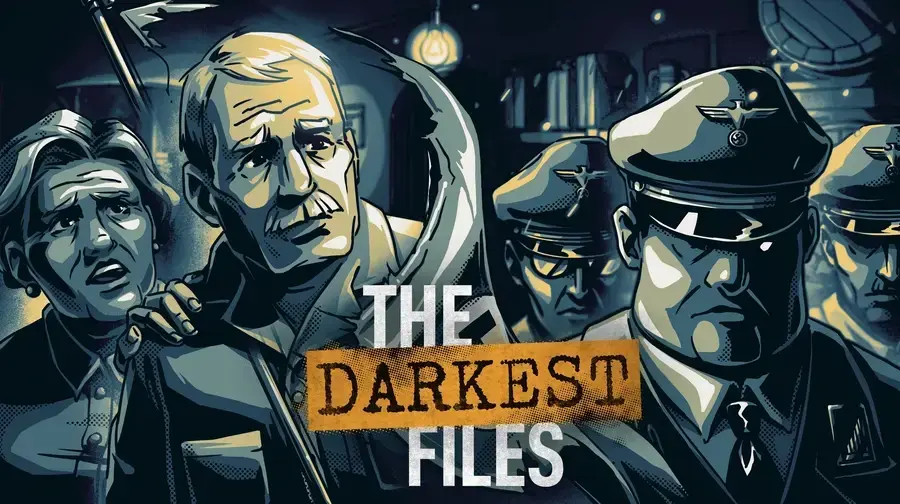

While most WWII games are synonymous with the chaos of the front lines, The Darkest Files pivots toward a more subtle and chilling setting: the post – war silence where the struggle for justice begins. This detective puzzle shifts focus from the battlefield to the courtroom, tasking players with investigating Nazi criminals hiding in civilian life. Players join the team of Fritz Bauer – a historical figure who dedicated his life to exposing those who thought their crimes would stay buried.
- Game: The Darkest Files
- Genre: Adventure
- Platforms: Windows
- Languages: English
- Developer: Paintbucket Games
- Publisher: Paintbucket Games
- Link: Steam
The narrative unfolds over an eight – hour campaign set within a single building, yet the experience feels remarkably expansive. The stakes carry a weight comparable to famous military operations, offering a rare glimpse into the judicial battles that followed the physical war. It is a setting that demands patience and a keen eye for detail, diverging from the action – oriented norms of the genre.

The Darkest Files stands out for its commitment to the detective genre. Few titles truly simulate the investigative process rather than providing an illusion, placing it alongside acclaimed games like Return of the Obra Dinn. It moves away from traditional quest – based adventures, granting players the autonomy to draw their own conclusions based on the evidence found.
The game goes further by requiring you to prove your claims in formal court proceedings, a mechanic that draws comparisons to Ace Attorney. However, where that series relies on humor, Paintbucket Games delivers a somber noir experience that never loses sight of its grim subject matter. Every piece of evidence and testimony is treated with the gravity expected of a high – stakes legal drama.
A New Perspective on Justice
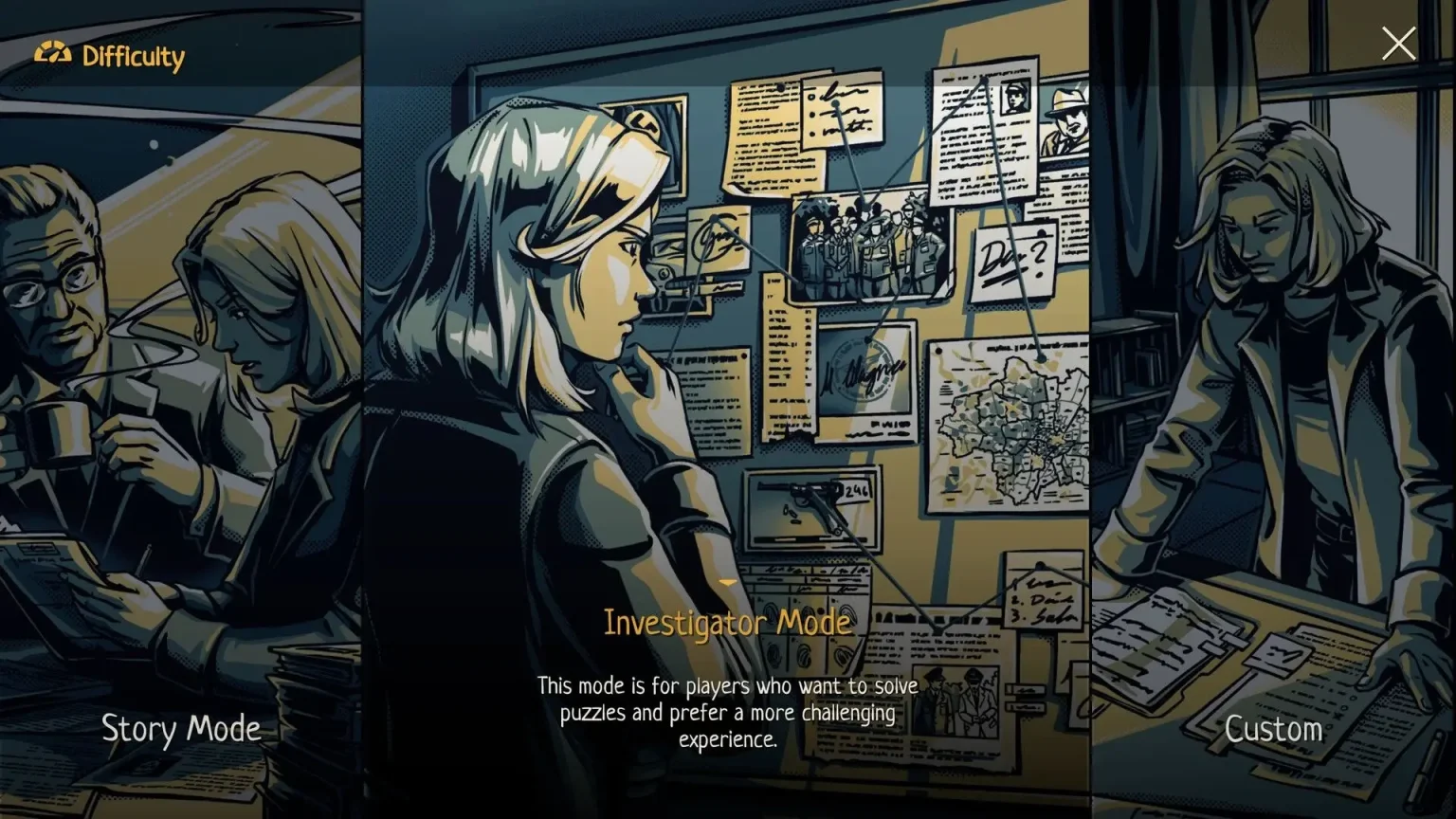
The story centers on Esther Katz – a young Jewish prosecutor determined to face Germany’s history. She investigates cases closed over a decade prior, seeking justice for victims whose voices have long been silenced. Esther’s role is not about saving lives in the moment, but about ensuring that those who escaped accountability are finally forced to answer for their actions.
Esther works in a two – story office serving as the base for Fritz Bauer’s team, complete with an archive and meeting rooms. She works alongside a diverse group of colleagues, including her renowned boss and two investigators with contrasting styles. The environment includes a secretary who assists with evidence and a resident cat that offers small moments of levity.
The confined nature of the office might lead some to believe the game is small – scale, but such a perception is far from the truth. The internal complexity of the cases and the density of information make the world feel much larger than its physical walls. The depth of the investigative work ensures the player remains fully engaged throughout the narrative.
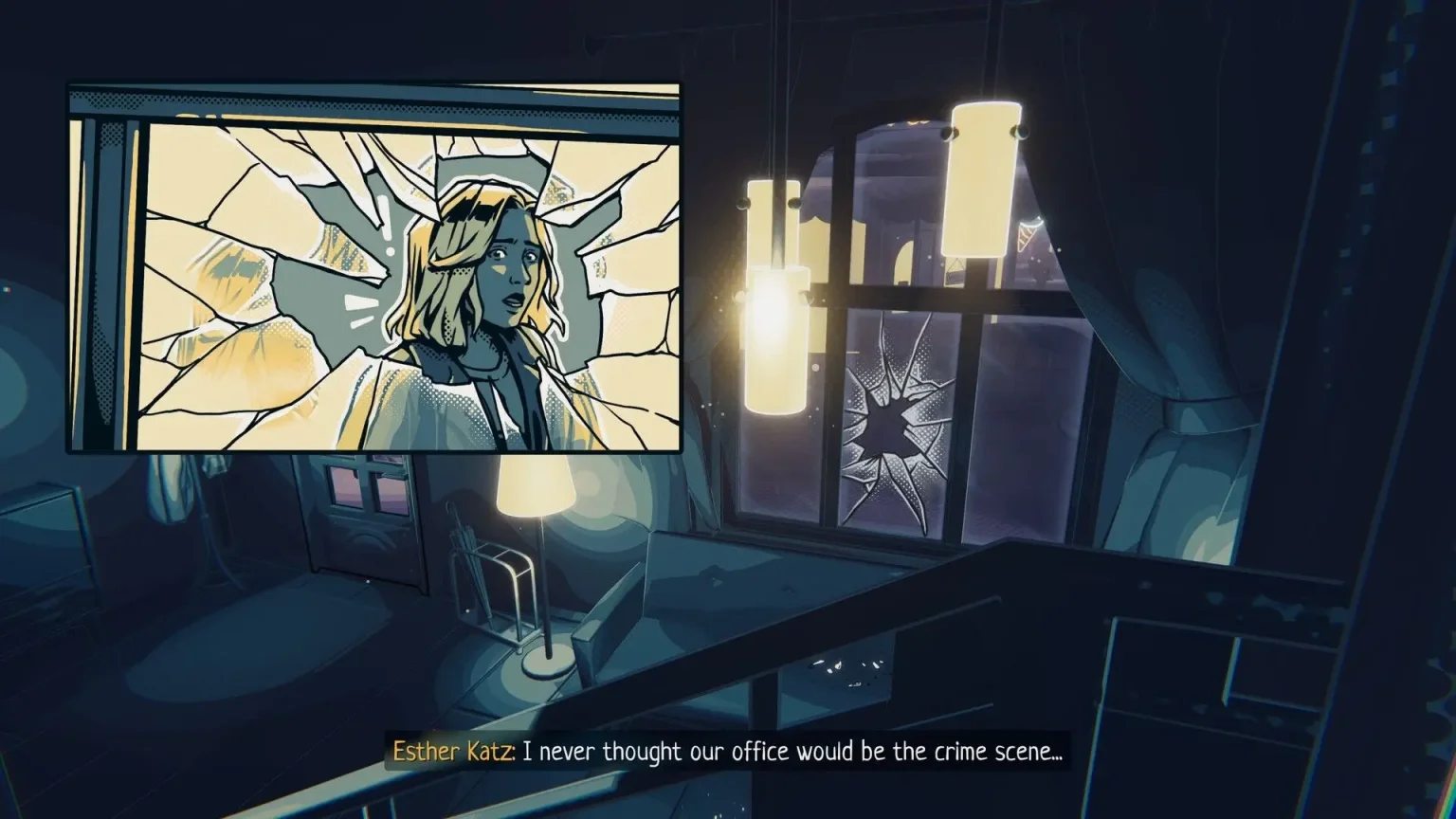
Within its relatively concise runtime, the game weaves together two intricate cases that form a cohesive story. Players immerse themselves in the lives of Esther’s team, discovering that no one is quite as they first appear. Despite the use of 2D sprites, the individuals encountered are multi – dimensional and deeply human.
Characters are driven by complex motivations, and many harbor secrets as significant as the cases they investigate. The development of these personal histories adds depth that prevents the game from feeling like a dry simulation. These interpersonal dynamics are central to the experience, making the stakes feel personal rather than just professional.
The overarching narrative is expertly crafted, balancing legal work with the raw emotion of the historical context. It is a story that is both rigorous in its facts and moving in its portrayal of human loss. Every element of the plot serves a purpose in building toward a conclusion that feels earned and impactful.
Initially, story threads like threatening letters or personal calls might seem like minor atmospheric details. However, as investigations progress, it becomes clear that nothing in the script is extraneous. These subplots are integrated to heighten tension and provide a broader context for the legal battles taking place in the courtroom.
The Rigors of the Investigation
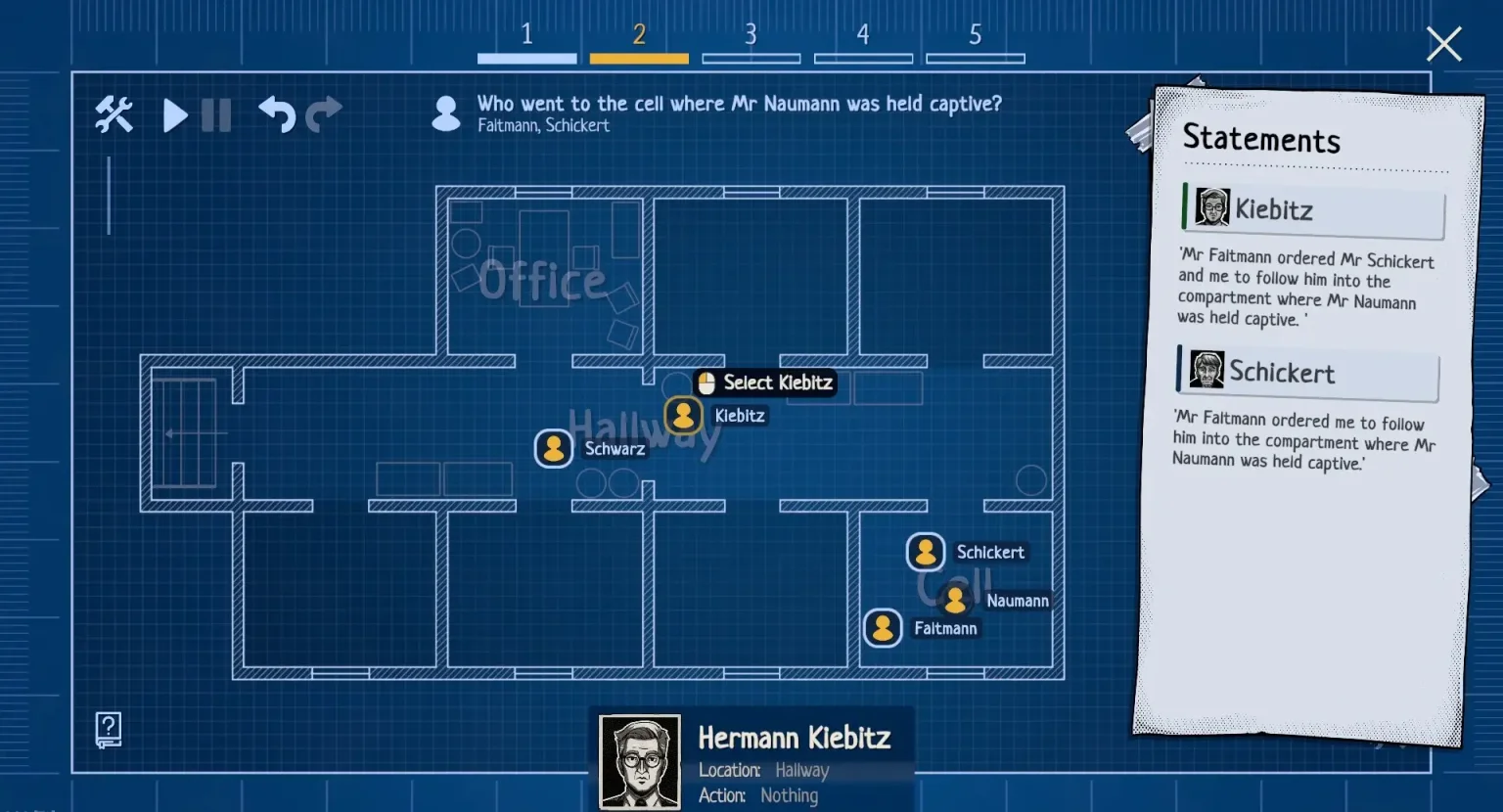
Non – linearity is a defining characteristic of The Darkest Files, offering freedom often missing from modern adventure games. The experience is split into two phases: the meticulous gathering of evidence and the high – stakes courtroom trials where that evidence is tested. This structure ensures that every action taken during the investigation directly impacts the final outcome.
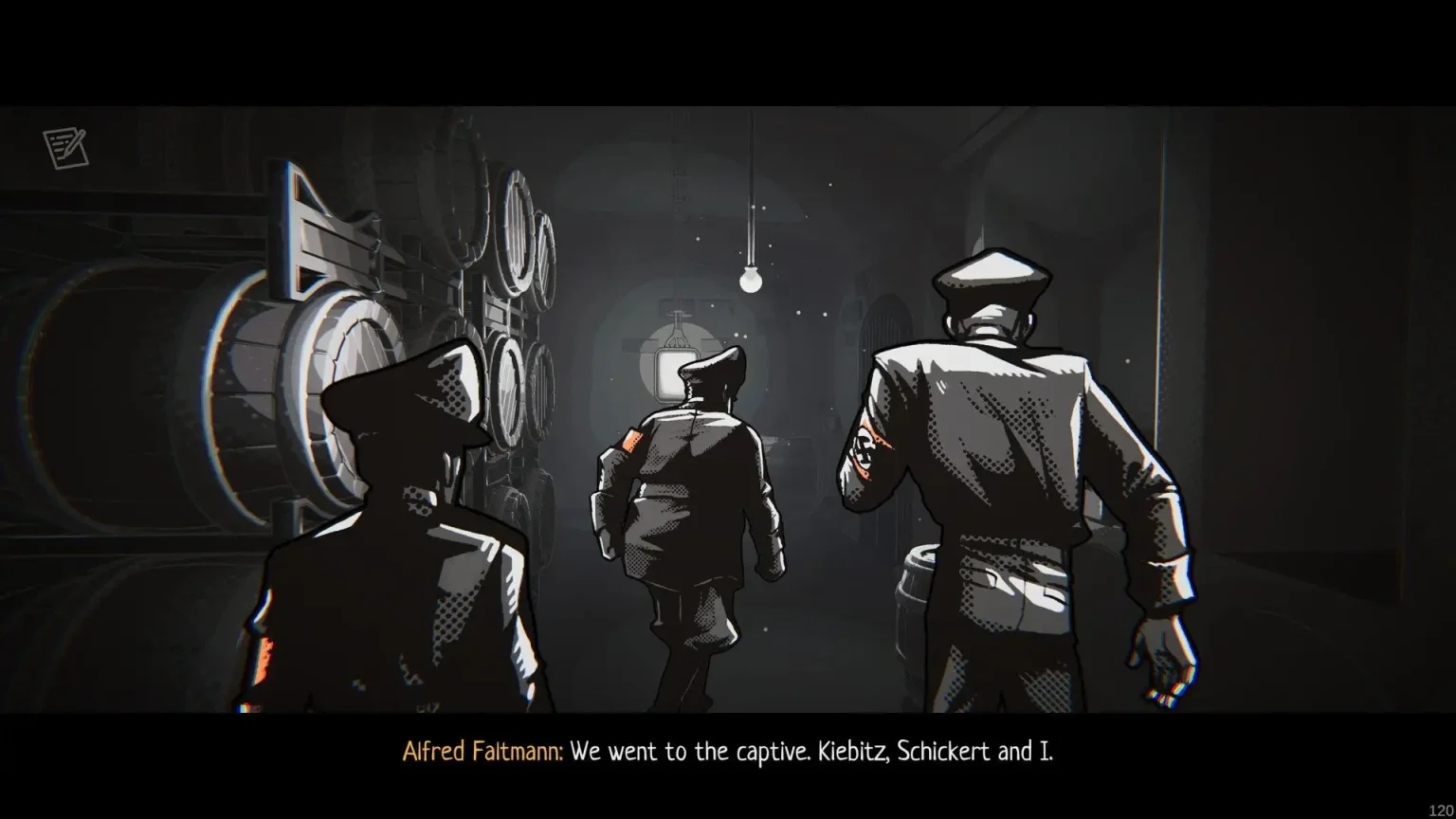
During the first phase, Esther must interview witnesses who are often hesitant to tell the truth or attempting to mislead her. This process requires navigating through reconstruction sequences based on memories to find vital clues. It is a process that demands focus and rewards those willing to examine every detail of the environment.
Interrogations use a mechanic resembling classic “pixel – hunting,” where players identify specific objects to unlock new dialogue. These items are essential for building a complete picture of the crime, and missing one can hinder the prosecution. This emphasizes the importance of thoroughness in a field where a single piece of evidence can change everything.
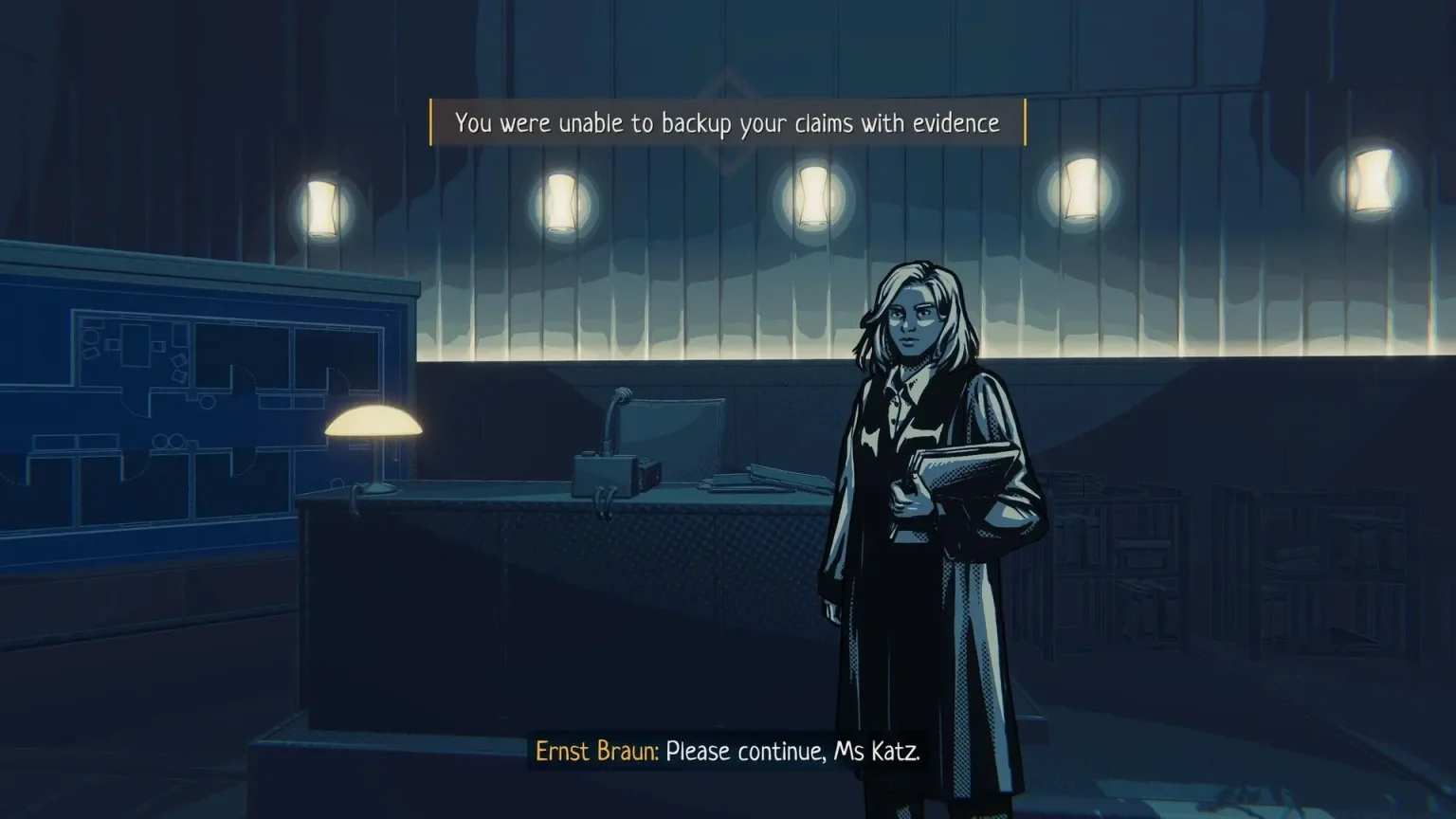
It is important to note that The Darkest Files is not a lighthearted experience; it is a somber reflection on history’s darkest moments. The game does not shy away from the gravity of its themes, consistently reminding the player of the human cost involved. This serious tone is maintained through both writing and visual presentation.
The game is notably unforgiving, rarely offering second chances for those who overlook subtle cues. Unlike more lenient titles, it forces players to live with their mistakes or return to an earlier save to correct them. This design encourages a level of focus and critical thinking that is rarely required in contemporary gaming.
Once interviews are concluded, the player must return to their desk to analyze documents and conflicting testimonies. This phase involves identifying contradictions and determining which witnesses are providing a truthful account. It is a methodical process that captures the reality of building a legal case from scratch.
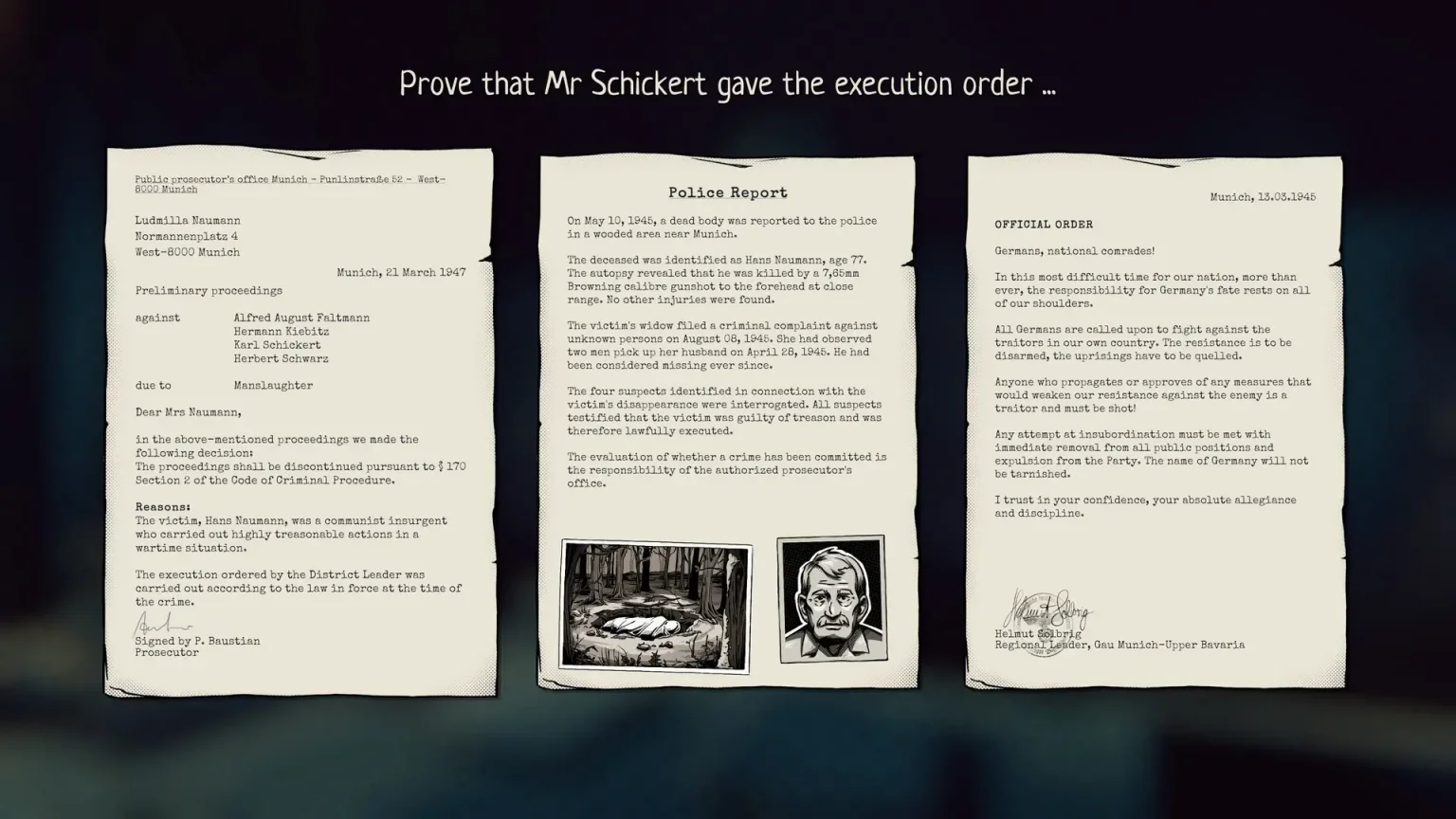
Making an incorrect deduction is easy, and the game allows the player to move forward with a flawed theory. Unlike its contemporaries, which guide the player toward the correct answer, this title places the responsibility entirely on your shoulders. This lack of hand – holding makes the eventual successes feel much more rewarding.
Players construct a logical framework for the crime, selecting evidence to support their hypothesis before heading to trial. If your theory is flawed or evidence insufficient, you will face the consequences in court. While hints and save – loading are available, the game clearly prioritizes independent reasoning.
At the conclusion of each case, players receive a detailed quality score based on their accuracy and thoroughness. This feedback shows exactly where the investigation succeeded or fell short. Following this, the game reveals the real – world historical outcome, grounding the fiction in historical reality.
The Final Verdict
The Darkest Files is an essential title for anyone interested in history or the nuances of the true crime genre. It will resonate with players who value well – written, atmospheric stories that tackle complex moral questions. The game successfully creates a space where history is not just observed, but actively interrogated.
Above all, the game deserves praise for being one of the most authentic investigative simulations available. If you have ever wanted the intellectual challenge of uncovering the truth through archives and testimonies, this is the game for you. It captures the essence of legal work – including the risk of burnout – in a way few other games attempt.