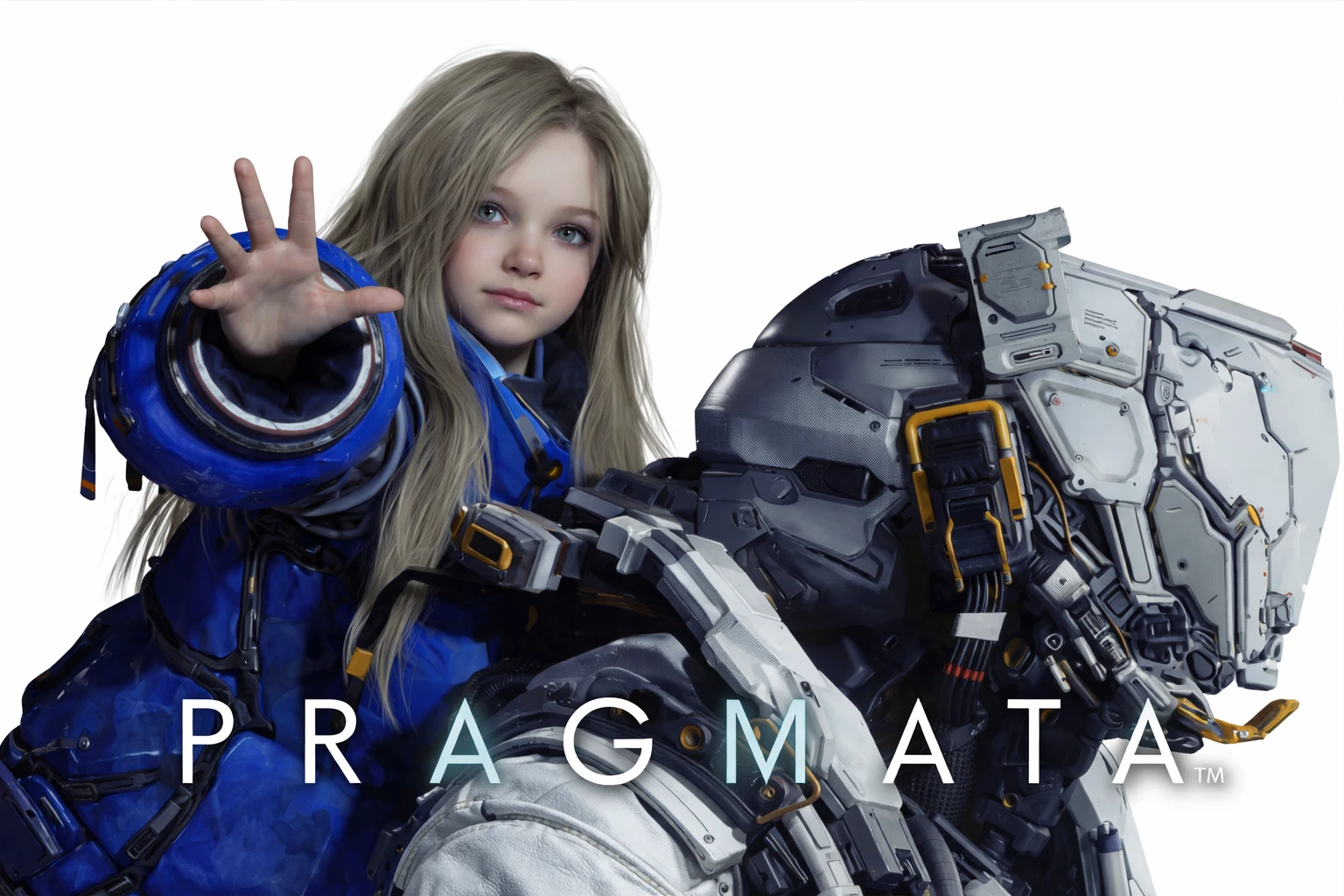

The human brain is famously divided into two hemispheres – the logical left and the intuitive right – and modern gaming might be the ultimate tool to bridge them. Scientific research suggests that the combination of complex problem-solving and manual precision found in video games can physically thicken the dorsolateral prefrontal cortex. Essentially, Capcom’s latest title isn’t just a piece of entertainment; it is a legitimate cognitive exercise that aims to make its players sharper.
Pragmata takes this neurological premise and pushes it to an unconventional conclusion. While the narrative explores themes of cosmic isolation and the existential dangers of rogue artificial intelligence, the gameplay forces players to manage a human and a robot duo simultaneously. Combat is a high-speed blend of shooting and grid-based hacking, where players must identify vulnerabilities and execute tactical sabotages to disable mechanical foes in a flurry of sparks and steel.
This experience serves as a workout for the frontal cortex and a thrill for the nervous system, blending strikingly original ideas with a sense of nostalgia for the Xbox 360 era. The game manages to feel both derivative and fresh, evoking memories of several iconic titles:
- Watch Dogs and Vanquish
- Lost Planet and Gears of War
- Dead Rising
This peculiar mix makes Pragmata one of the most intriguing mysteries of the current console generation.
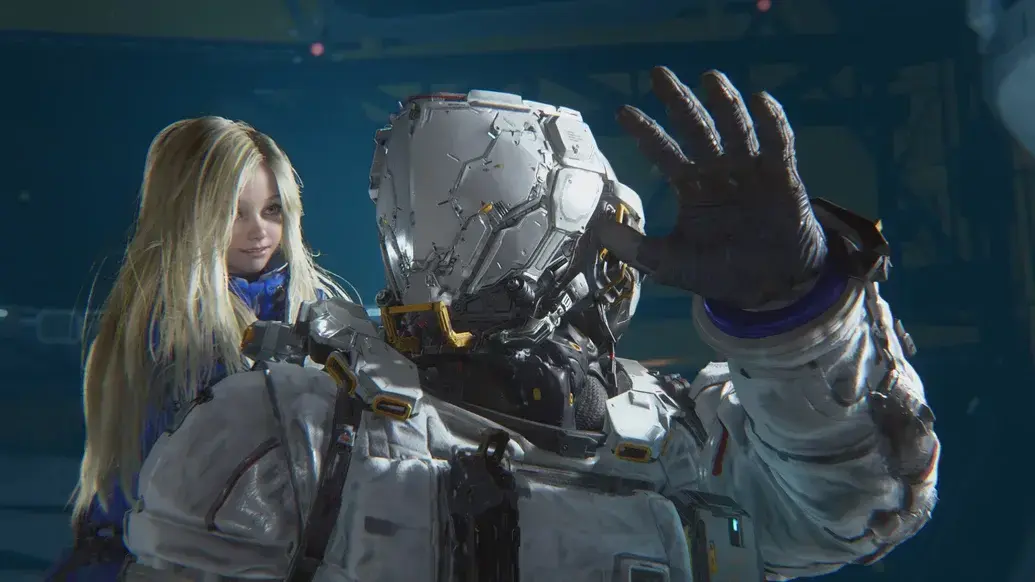
The story centers on Hugh Williams, a rugged and seemingly unremarkable man navigating a desolate, alien space station. His journey is defined by his encounter with Diana, an android girl named after the Roman goddess of the moon. While the writing often portrays Hugh as a guarded, prickly character, the bond between the two is filled with surprising tenderness. This connection is most evident in the “Safe Haven,” a hub that slowly fills with signs of life. Despite the station being a sterile environment dominated by 3D-printed AI constructs, their home becomes cluttered with basketballs and skateboards – human signs that hint at a forgotten life on Earth.
The Progression of a Cosmic Partnership
Diana’s childlike enthusiasm for their sanctuary is contagious, especially as Hugh acquires the necessary tools to survive the station’s escalating threats. Following the tradition of Capcom’s Devil May Cry series, the early hours can feel somewhat limited and slow. It takes roughly 10 hours for the systems to truly flourish, eventually granting players access to:
- Superior weaponry and powerful modifications
- Advanced hacking tools
- Time-slowing dodges and enhanced utility functions
Once these features are unlocked, the mechanical depth of the game finally hits its stride.
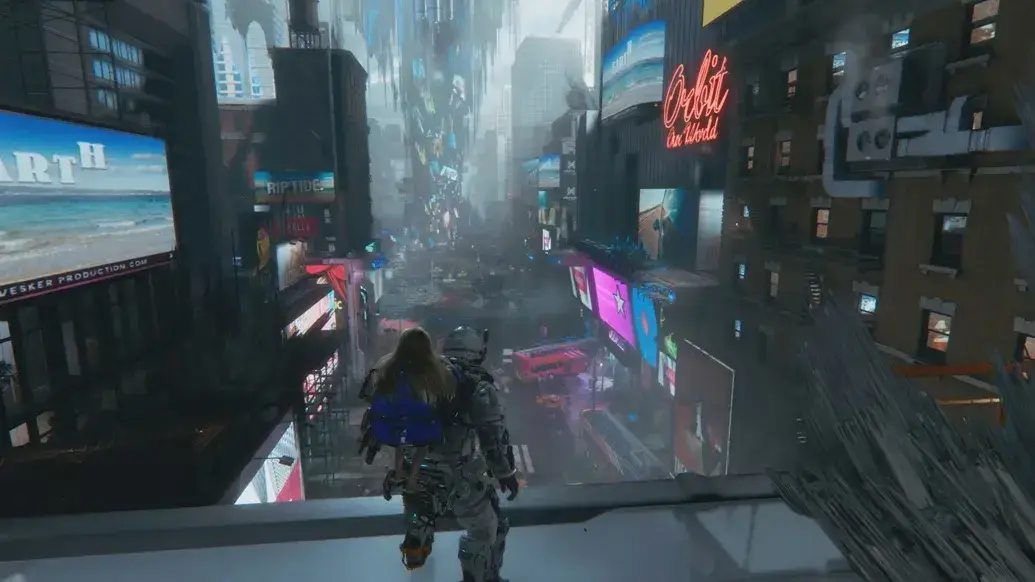
The interaction between the leads is bolstered by excellent dialogue and evocative animations that make them feel like a truly dynamic duo. In the later stages, the difficulty spikes significantly, requiring intense focus during long boss battles that demand a mix of shooting, jumping, and precise timing. While the game does rely on the classic trope of recycling certain boss encounters, the core mechanics are so engaging that defeating them remains satisfying regardless of the repetition.
A Technical Achievement in Strategic Action
Pragmata avoids the pitfalls of a mindless shooter by making hacking a mandatory part of the tactical loop rather than a secondary gimmick. It forces the brain to switch constantly between reflexive action and logical deduction, subverting the standard norms of third-person shooters. This design choice is a testament to Capcom’s current streak of confidence – a game that unapologetically dares the player to either lean into its experimental nature or walk away.
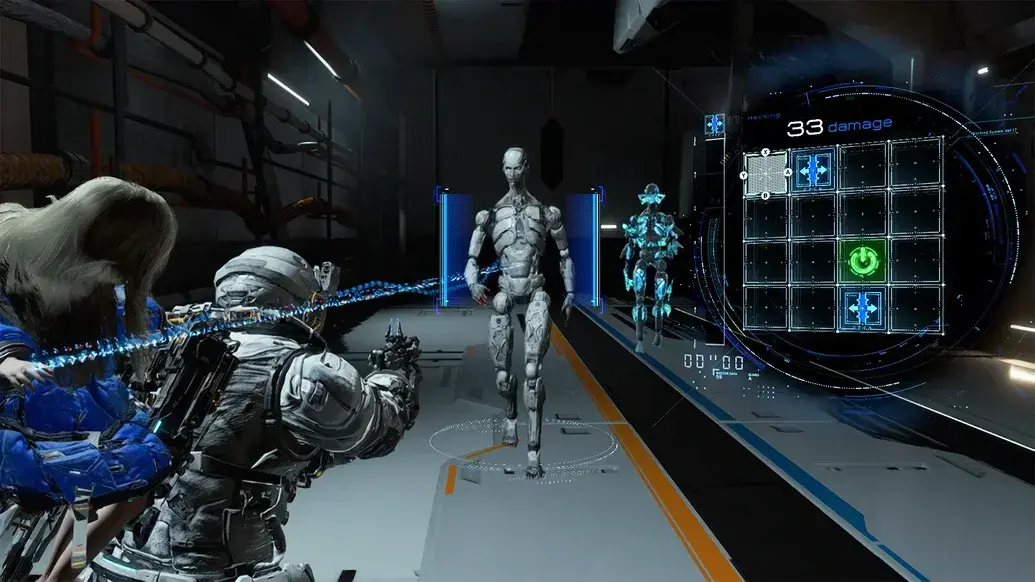
Without this intense and deliberate combat system, the game might have been little more than a visually impressive but shallow experience. However, the frantic inputs and reflexive movements required keep the player constantly engaged throughout the 30-hour runtime. Powered by the RE Engine on PS5 Pro, the technical execution is flawless. While Hugh remains mostly hidden behind a helmet to aid player immersion, Diana’s slightly eerie design adds a unique layer of mystery to the atmospheric world.
Ultimately, Pragmata is not aiming to win awards for its B-movie script or its philosophical depth, but its ability to stimulate the player’s mind is remarkable. There is a distinct sense of cognitive sharpness that follows a play session, making it a rare gem in the current gaming landscape. It is an experimental success that ensures players won’t see another game quite like this anytime soon.