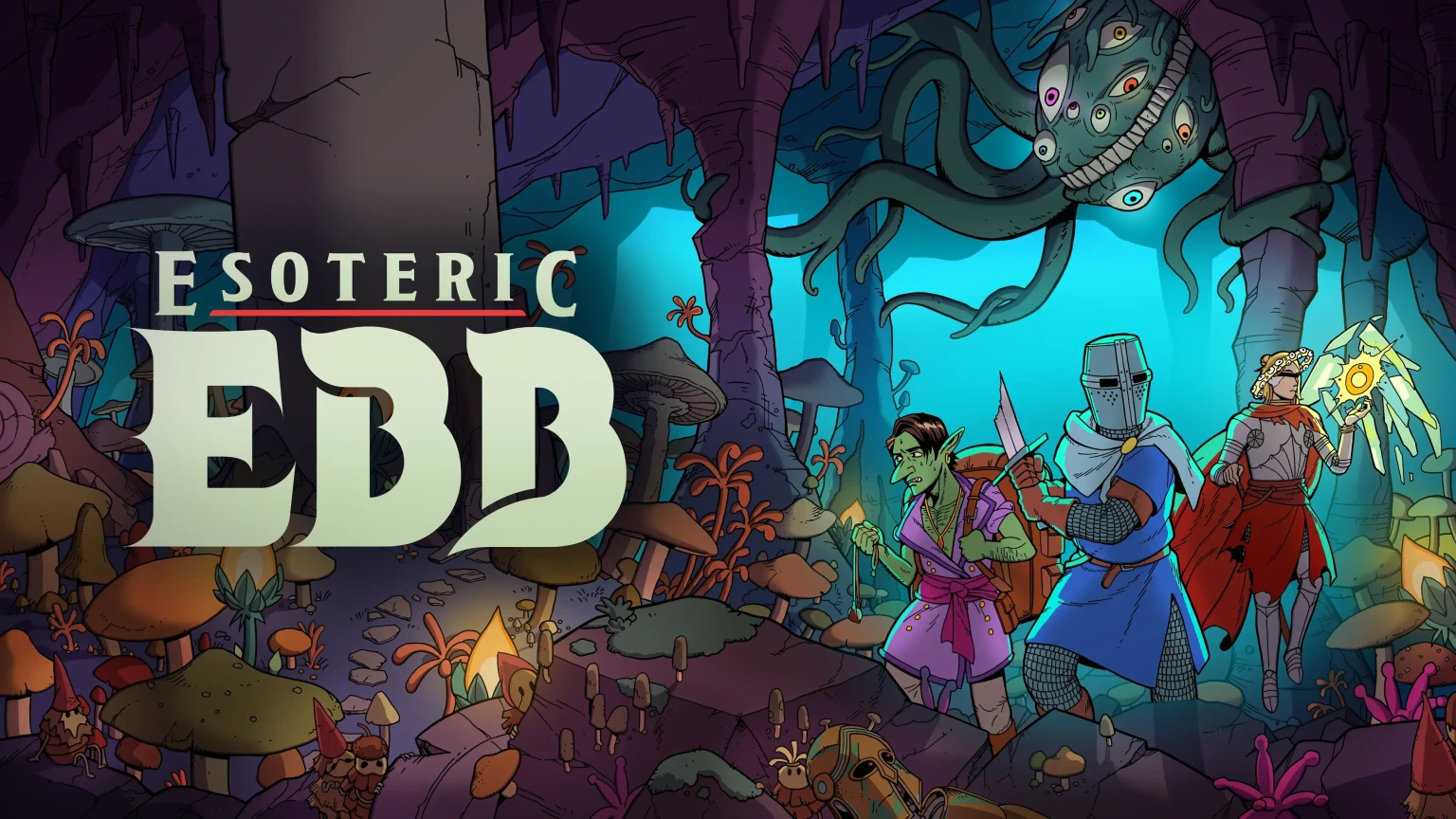

Adopting the role of a government bureaucratic servant in Esoteric Ebb provides a surprisingly comforting experience. There is a specific kind of safety in being a dedicated cog within the state hierarchy – a position that offers the constant possibility of engaging in something rebellious or unexpectedly bold while remaining shielded by a layer of plausible deniability. As a holy cleric of the state, the protagonist balances on the edge of incompetence, utilizing it as a weapon against the exhausting realities of labor conditions and social respect that define the modern struggle.
The journey begins with a priest characterized by high wisdom and dexterity, yet possessing the physical endurance of a sickly Victorian orphan. The mission is straightforward: investigate a tea shop explosion in the city of Tolstad just before its historic first elections. However, the story takes a sharp turn when the protagonist dies and is subsequently revived by a local mortician. Awakening on a stone slab with a ruined spellbook, the cleric has exactly five days to solve the mystery and perhaps secure their first genuine friendship amidst the confusion of the city.
Mechanics and narrative structure
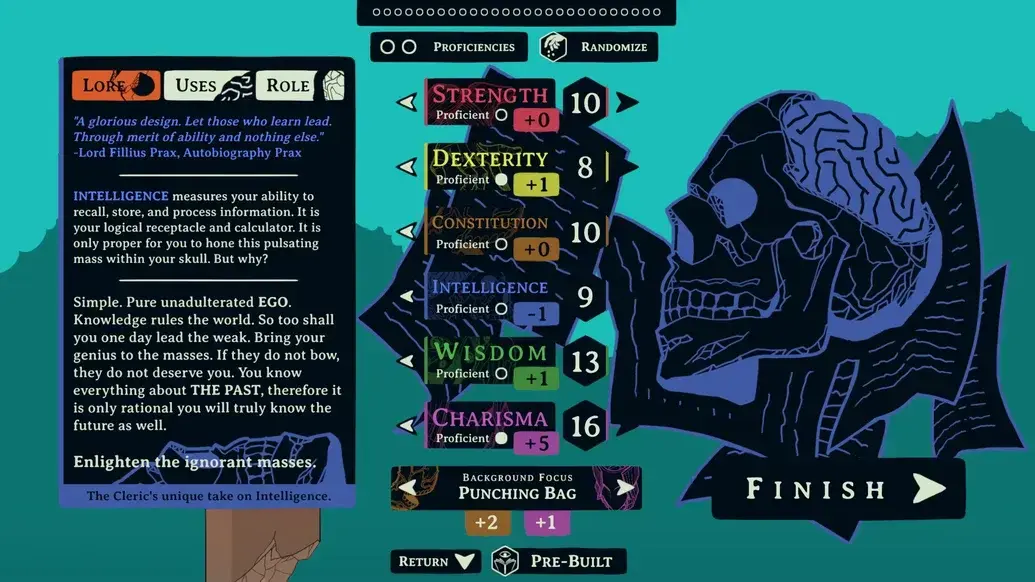
Esoteric Ebb is a project that wears its influences with pride, presenting a non – linear and text – heavy experience driven by the mechanical spirit of D&D. The protagonist’s psyche is a literal battlefield where different traits compete for dominance through dice rolls. Players manage a variety of wearable items that can either improve or hinder specific stats, while the perception of non – player characters requires skill checks that reveal deeper layers of information upon success. The game features a structured magic system that requires:
- Preparation of spells at specific altars located across the map
- Utilization of buffs during skill checks and combat encounters
- Classic tabletop skills such as communicating with animals and understanding unknown languages
- A flexible perk system that grants advantages based on completed story themes
The narrative expertly combines political intrigue with personal failures, creating a tone that echoes the works of literary figures like Terry Pratchett and Max Frei. It presents a world where the anxieties of contemporary culture are reflected through a fantasy lens – including the discovery of a magical equivalent to Ozempic hidden among contraband goods. Ultimately, it is a story about the universal uncertainties that transcend space and time, focusing on the simple act of meeting and understanding people.
Addressing the inevitable comparison to Disco Elysium is a primary concern for any player familiar with the genre. While some might assume the effectiveness of such a script lies solely in its word count, Esoteric Ebb attempts to move beyond the simple dichotomy of prose and intellect. It avoids the trap of linking narrative depth exclusively to cynicism or self – hatred, successfully establishing its own identity by prioritizing a specific kind of humor and consistency over raw rhetorical weight.
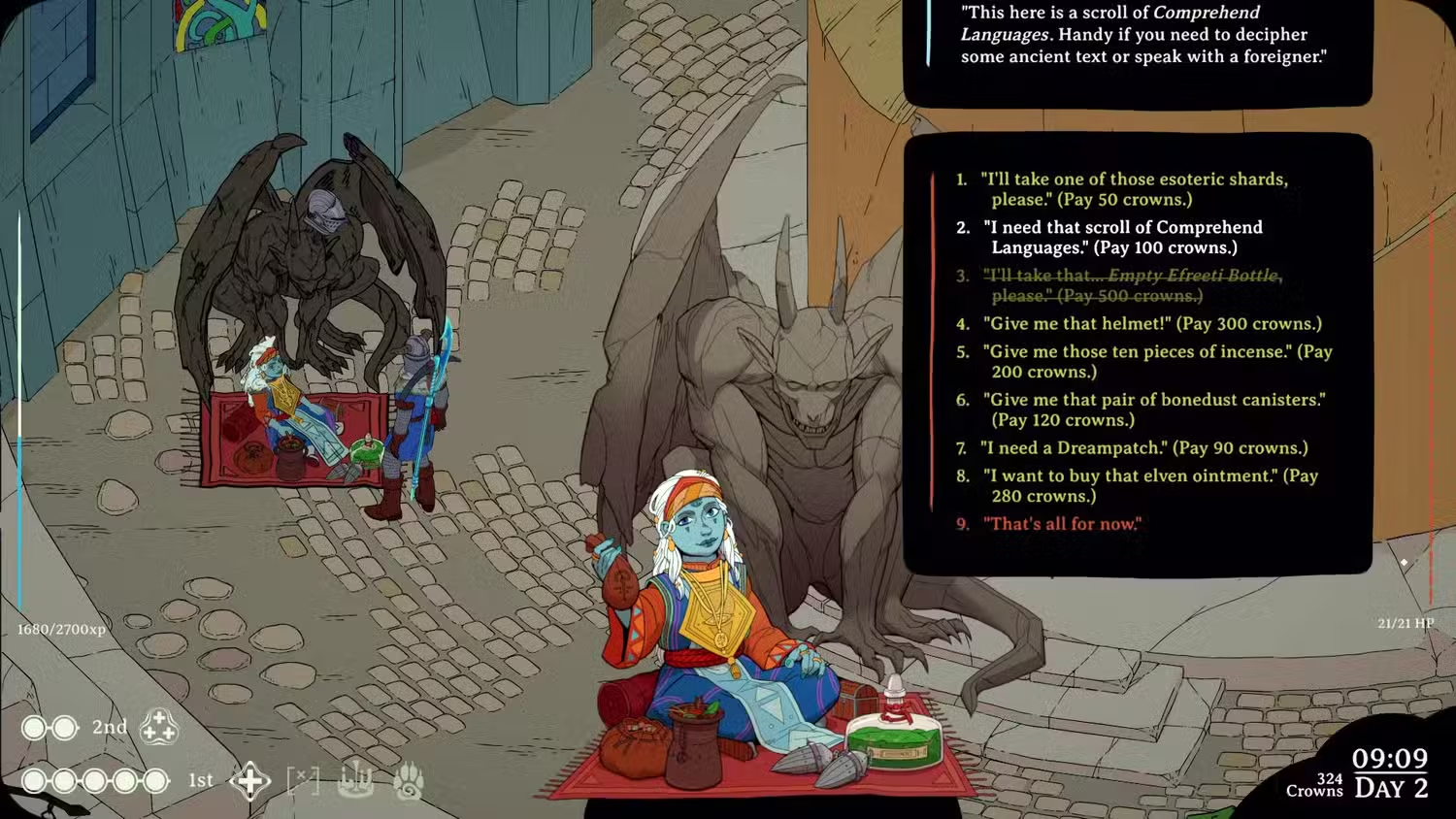
The core appeal of the game is found in its excellent script and the intuitive way it handles the simulation of actions. Within the first five minutes of exploring the starting area, the player becomes immersed in the flow of the world, whether they are attacking tutorial enemies without cause or failing repeatedly and returning for more. The sheer scale of the interconnected plot remains impressive even during quieter moments, such as reading fragments of esoteric history or learning about the powerful forces moving in the background.
A mixture of situational comedy and classic pathos defines the cleric’s path, pushing them toward unexpected decisions and a sense of useful indignation. When the character’s physical weakness prevents an action, the player is encouraged to embrace their incompetence with confidence. These moments of failure create a tension between the characters that enriches the overall mystery, turning every missed dice roll into a meaningful part of the protagonist’s personal growth and survival.
However, the experience is occasionally hindered by uneven writing and design choices that lean toward self – indulgence. A specific sequence involving cat – people in ancient tombs serves as an example of a concept that proves unsatisfying in practice. While the “information maximalism” provided by the tooltip and wiki interface is a highlight for those who enjoy dense worldbuilding, there are moments where the witty dialogue fails to maintain the gravity required to support the game’s broader concepts.
Worldbuilding and cultural elements
The exploration of this fantasy world occasionally leads to moments of frustration regarding traditional genre tropes. While the setting is populated by diverse folkloric types such as the Urthfolk and Diminorians, it draws heavily from real – world linguistic roots – similar to how Tolkien utilized Finnish for his elven languages. The worldbuilding is detailed and imaginative, yet it stumbles when addressing specific cultural representations within its fictional library.
At the conclusion of the list of races, the player encounters a section dedicated to the “Japanese”.
In this fictional universe, the Japanese are described with an exotic fascination that mirrors the tropes found in early Western pulp fiction. The game characterizes them as a nearly mythical human people from the mysterious realm of Im, isolated on high plateaus and serving as a popular subject for fiction since the Middle Arcanian Era. Successfully passing a wisdom check reveals further details about their isolation, while a charisma check triggers a meta – reflection on the protagonist’s youthful obsession with samurai culture.
Developer and writer Kristoffer Bodegård likely intended this as an ironic commentary on the Western fetishization of East Asian cultures. However, after the immense effort put into crafting a unique world, this inclusion feels like a moment of self – indulgent carelessness. The fact that the game elsewhere addresses systemic issues – such as the discrimination against bird – like citizens – makes this specific attempt at humor feel inconsistent and somewhat disappointing for a modern audience.
While this element does not fundamentally diminish the significance of the fifteen – hour journey, it creates a lingering sense of discomfort that is difficult to ignore. The game manages to maintain its pace, allowing the player to move forward despite these narrative stumbles. In a second playthrough, the systems become more familiar, though the hybrid class system – which allows players to unlock roles like Druid or Fighter by talking to specific characters – remains a complex feature to master.
Political themes and story conclusion
The lack of clarity in the class system actually complements the way the game forces the priest to define their own identity. As the player interacts with the world, their verbalizations and declarations of affiliation directly impact their standing. The protagonist is canonically established as having a supernatural gift for the esoteric, yet they are rarely treated as a traditional chosen hero. Instead, the game offers a double – edged grace that provides opportunities even for the most foolish characters.
The satire regarding political affiliation is one of the most effective aspects of the experience. During the pre – election period, the game actively mocks the cleric for claiming to be “apolitical”. This stance earns the contempt of fellow citizens – including dwarves fighting for labor rights and Free Hikers using wealth to shape the emerging democracy. Declaring indifference to material problems results in a palpable sense of shame, highlighting the protagonist’s role as an incompetent tool of the state.
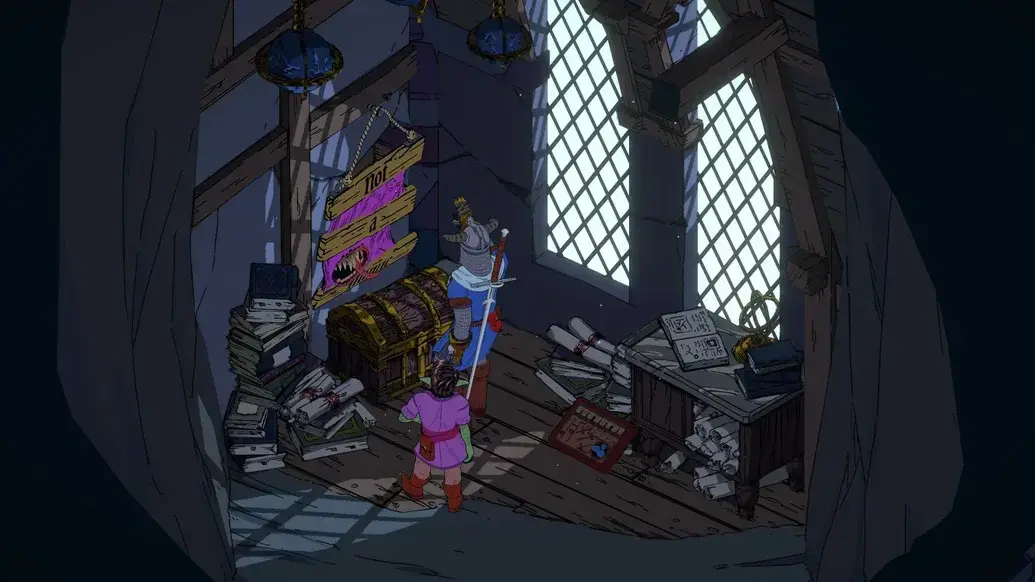
A succinct summary of the game’s spirit can be found in the first meeting with Snell, a goblin companion of immense patience. When the player attempts an inappropriate greeting based on tribal stereotypes, the game’s charisma stat intervenes to question the absurdity of the action. This moment celebrates the essence of tabletop roleplaying – a mix of humor, kitsch, and the consequences of free will in a world teetering on the edge of cosmic horror.
The finale takes place on election day, as the population of Tolstad gathers in the city center to fulfill their civic duty. This scene captures the atmosphere of real – world political fatigue, echoing the helplessness often felt when dealing with corporate lobbyists and the lack of ideal choices. As 2026 presents itself as a year for politically themed games, Esoteric Ebb stands as an accessible comedy that prompts players to consider their place in the world and the specific kind of useful idiot they represent.