
Interactive violence has long been a greater concern for political figures than cinematic gore, primarily because gamers are deeply engaged participants in the digital experience. This active involvement triggers unique psychological responses that passive media cannot replicate. As the gaming industry reaches a level of photorealistic fidelity, global rating agencies are responding with a wave of new restrictions and bans.
The transition to hyper – realistic content has fundamentally shifted the conversation surrounding digital entertainment and public safety. Regulators are increasingly scrutinizing titles that push the boundaries of what is acceptable in a commercial market. Today, we examine ten high – profile games that were deemed too extreme for public consumption, from serial killer simulations to titles that incited international political scandals.
The legacy of classic ultraviolence
Early titles in the industry served as the primary catalysts for modern censorship laws, causing significant friction in various international markets. These classics were not only controversial for their content but also for how they forced governments to redefine the legal boundaries of interactive entertainment.
Carmageddon
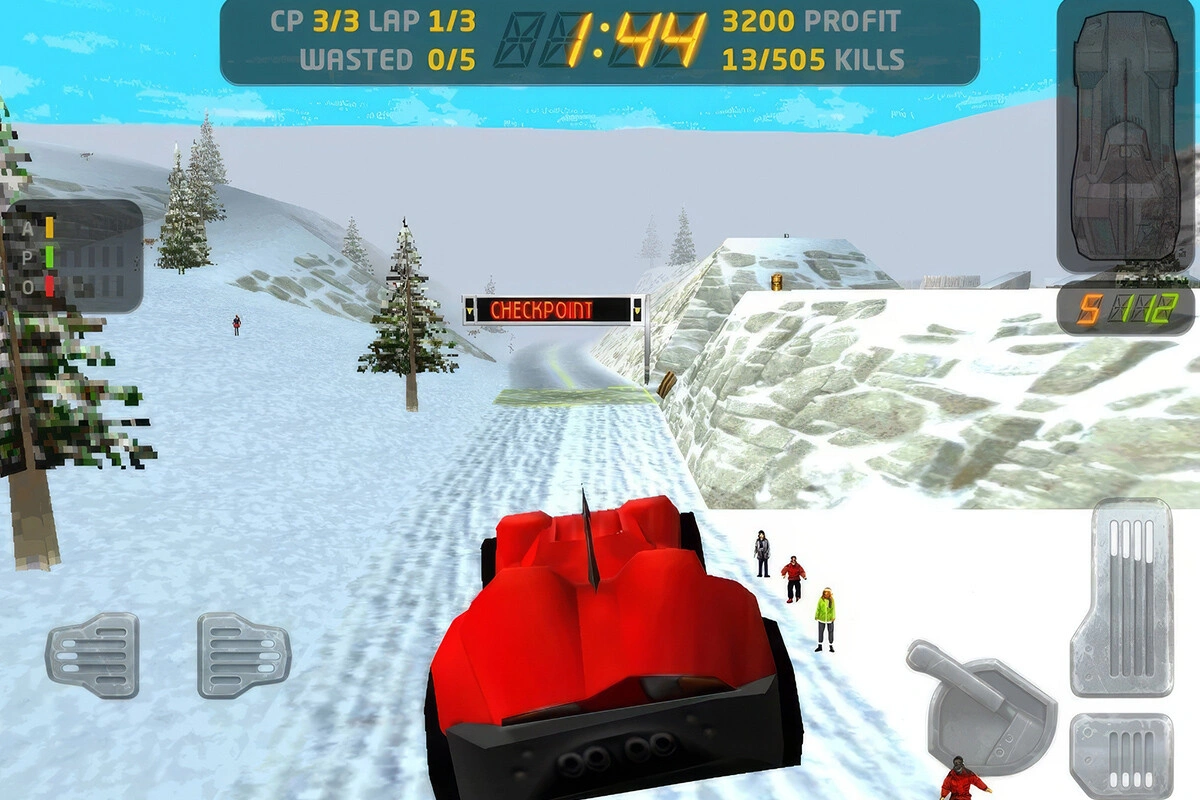
According to the lead programmer, the original concept for this project was born simply because the development team grew tired of the repetitive nature of traditional racing games.
Developed by Stainless Software and released on June 30, 1997, Carmageddon allowed players to earn points by running over pedestrians and animals. This mechanic led to immediate bans in key markets such as the United Kingdom and Germany. To secure a release, the developers – working with Square Enix Europe and Interplay – were forced to replace human characters with robots or zombies and change the blood color to green or black across platforms like PC, PlayStation, and Mac OS.
Manhunt
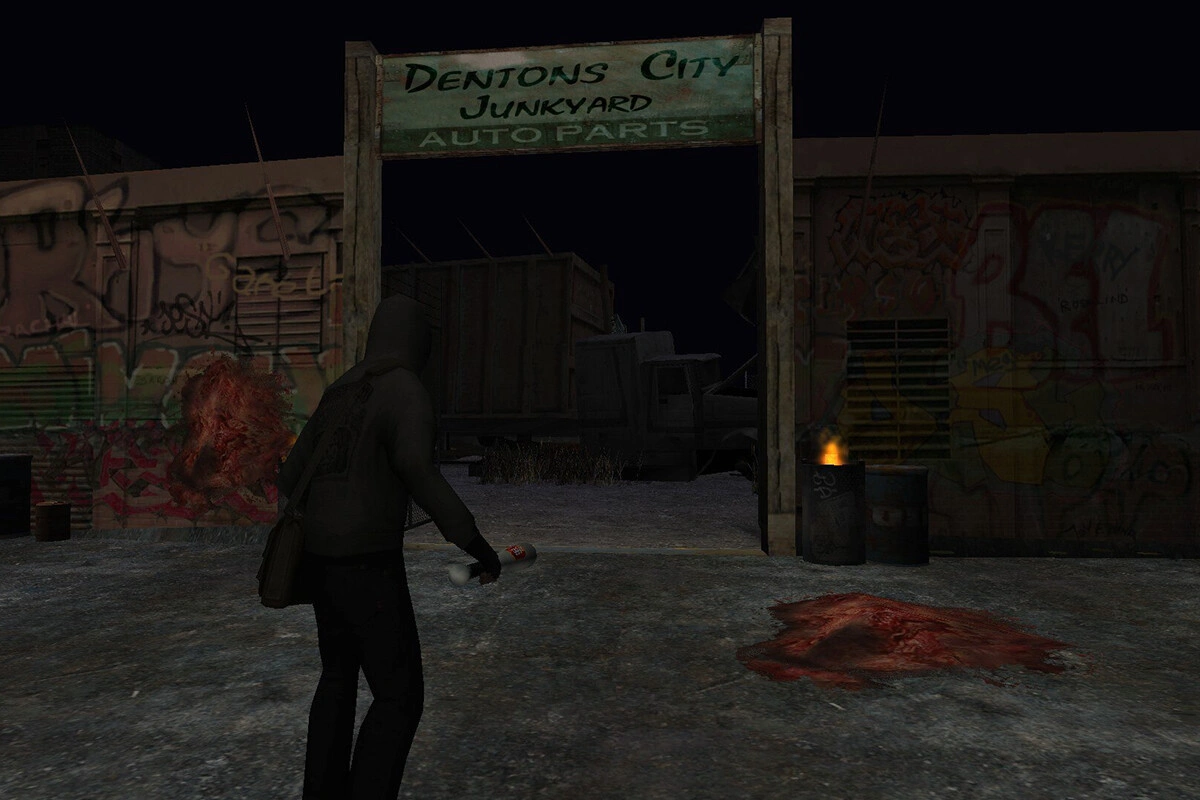
A former employee of Rockstar Games admitted in a retrospective article that the creation of this specific game nearly triggered a full – scale mutiny within the company.
Released between November 2023 for PlayStation 2 and April 2004 for PC and Xbox, Manhunt remains one of the most notorious execution simulators ever produced. It provoked intense moral panic in both the United States and Britain, becoming the first game to receive an “Adults Only” rating solely for sadism rather than sexual themes. This rating effectively killed its chances for a wide retail release, as major platform holders refused to distribute the title.
The core gameplay mechanics, which rewarded brutal stealth kills, were the primary target of regulatory ire. In the United Kingdom, the media linked the game to a high – profile murder, accusing the software of “training” users for real – world violence. In response to the pressure, Rockstar eventually implemented visual filters to blur the most graphic scenes in an effort to lower the age rating for certain regions.
Postal 2
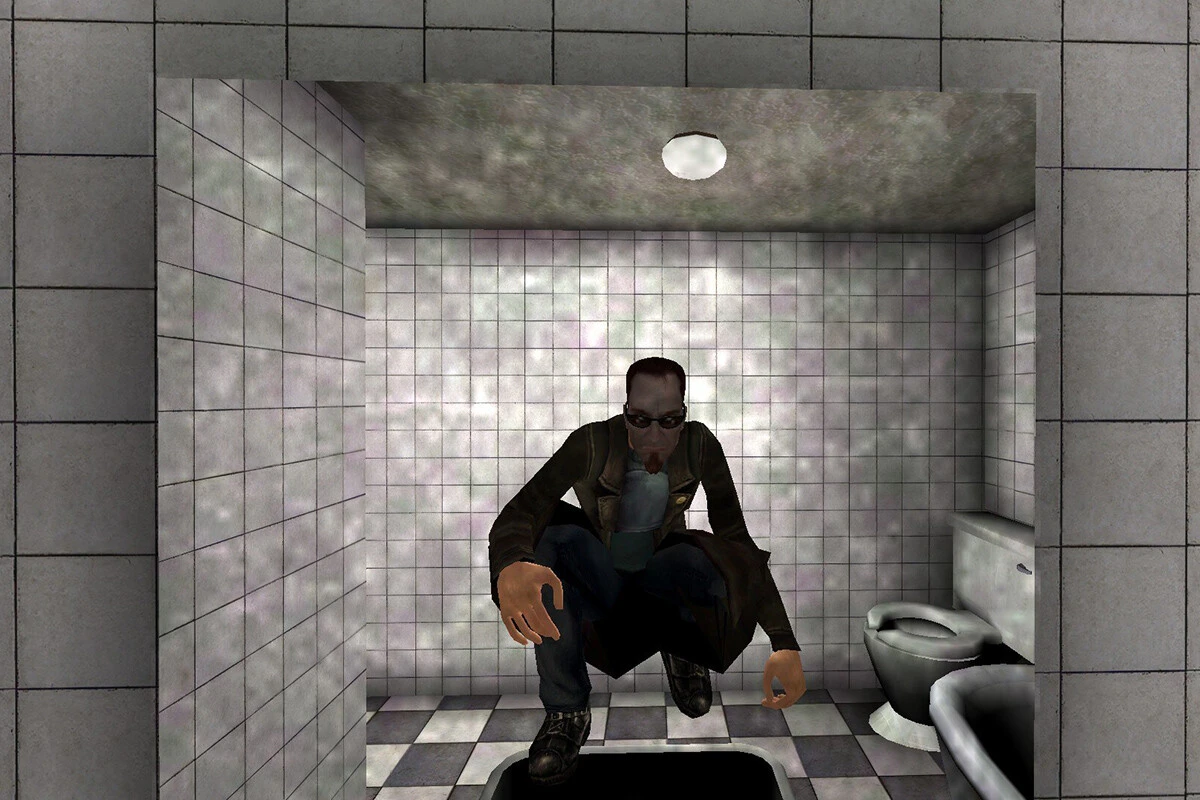
Despite its massive impact on gaming culture, the project was managed by a surprisingly small team consisting of only nine full – time staff members.
Running With Scissors released Postal 2 in April 2003 for PC and Linux, offering a world where extreme violence is entirely optional but constantly encouraged. New Zealand took the most aggressive stance against the title, banning it for what authorities described as immoral and socially hazardous content. Possession of the game in that country was considered a criminal offense that could lead to a prison sentence for the owner.
High fidelity gore and censorship
Modern gaming utilizes anatomical realism to challenge the limits of what censors allow on store shelves. These titles focus on the realistic destruction of the human body, leading to frequent clashes with regional regulators who are sensitive to hyper – realistic depictions of trauma.
Mortal Kombat 1
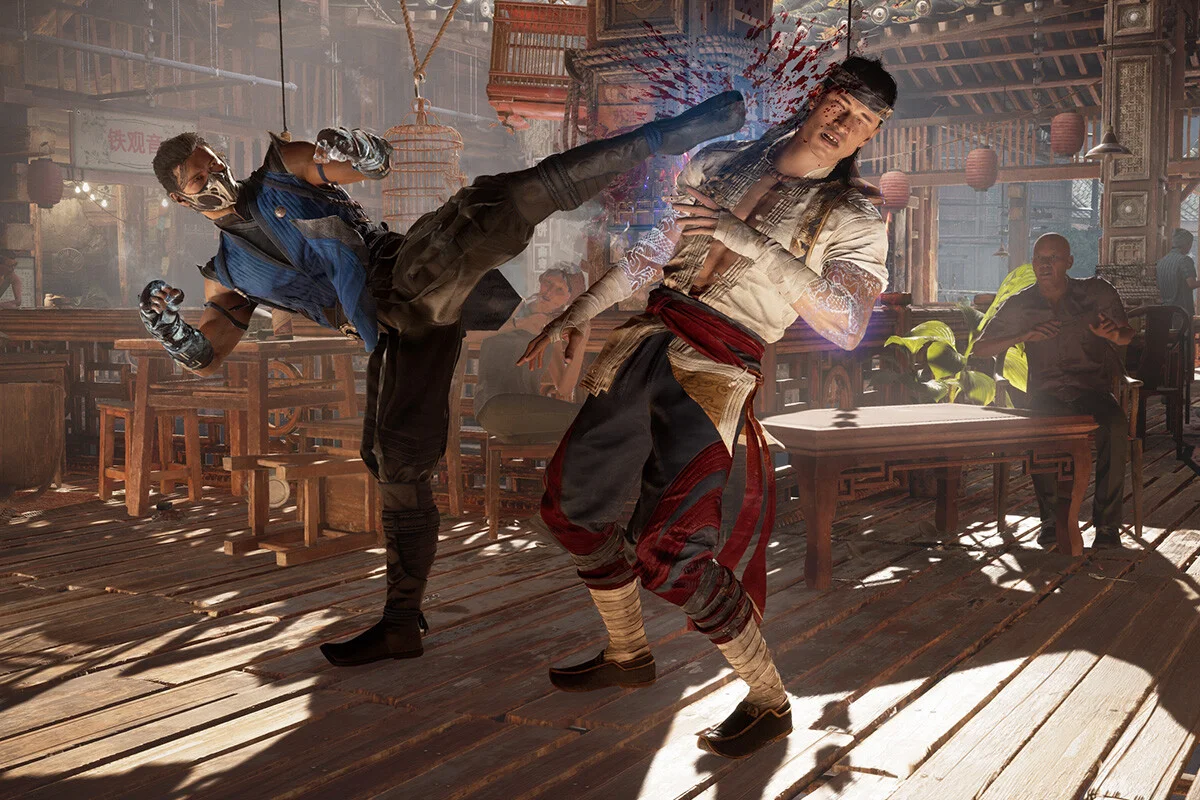
The latest installment introduced Kameo fighters – a unique roster of supporting characters who assist the primary combatant by briefly intervening in the match.
NetherRealm Studios and Warner Bros. Games released Mortal Kombat 1 in September 2023, pushing the series’ signature fatalities to new levels of photorealism. Consequently, the game was blocked in several sensitive regions, including Japan, Indonesia, and mainland China. The Japanese regulatory agency CERO is particularly strict on this front, refusing to certify any game that depicts the dismemberment of human – like figures, regardless of context.
The Punisher
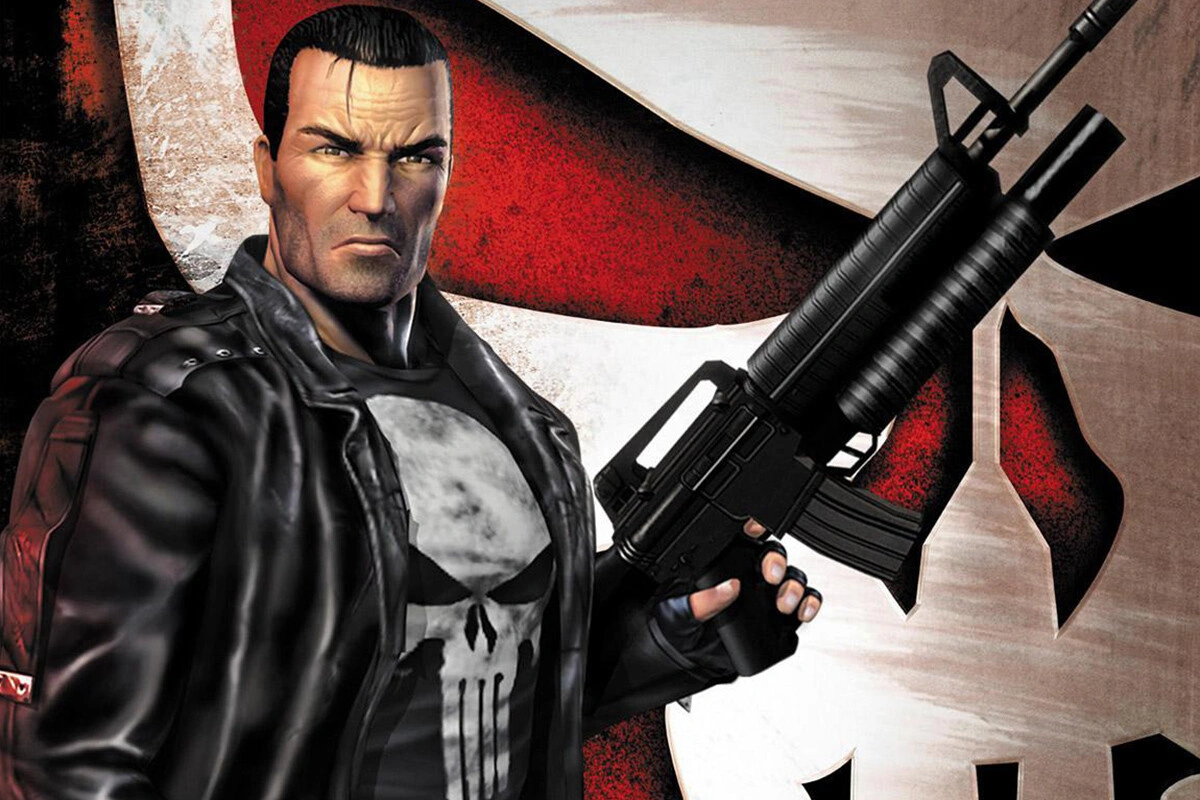
Despite facing significant censorship hurdles and a restricted rating, the title managed to achieve a commercial success of approximately one million copies sold.
In early 2005, Volition and THQ released The Punisher, which became famous for its brutal interrogation mini – games. To avoid an “Adults Only” rating that would prevent a console release, the developers had to incorporate a black – and – white filter that activated during the most graphic moments. This stood as a landmark case of visual censorship being hard – coded directly into the gameplay loop to satisfy rating boards.
Left 4 Dead 2
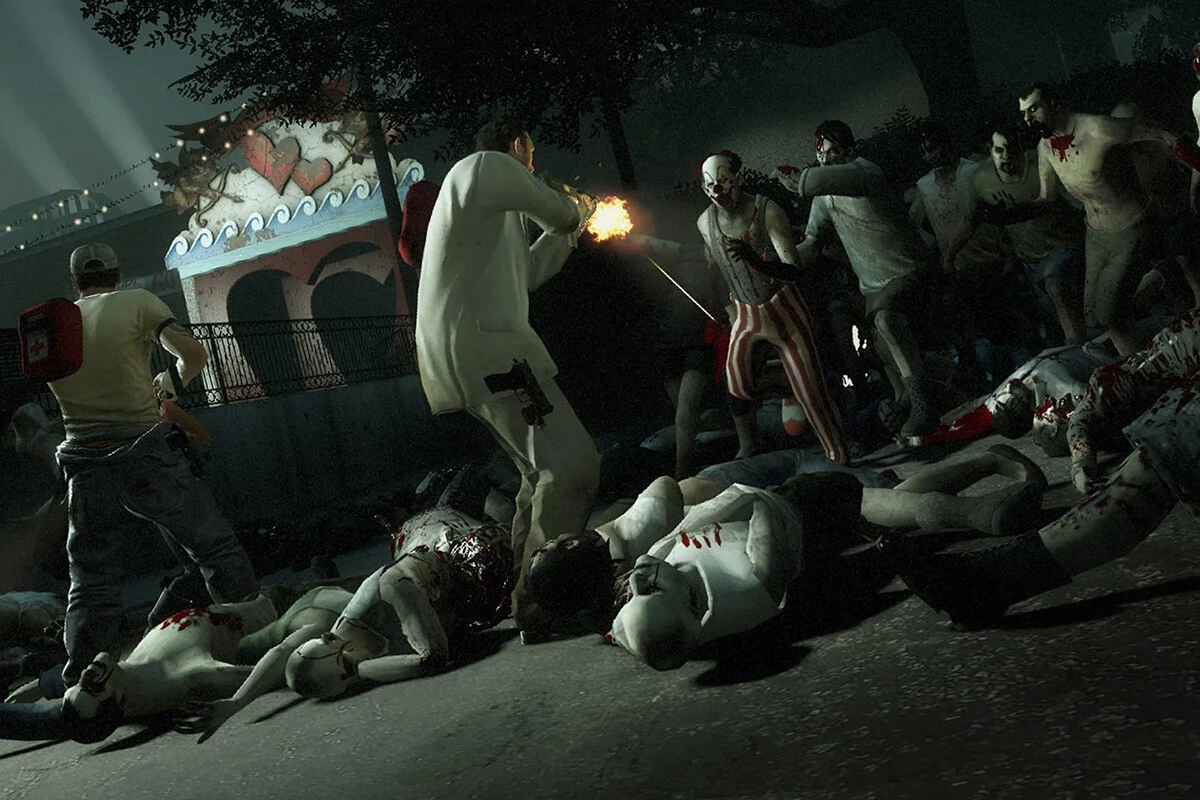
Valve invested heavily in the narrative depth of this sequel, which features roughly 7,800 unique lines of dialogue – a 40 percent increase over the first game.
While now considered a classic, Left 4 Dead 2 faced severe classification issues in Australia upon its 2009 release. Valve was forced to develop a specific “low violence” version of the game that removed all dismemberment mechanics and drastically reduced the blood effects. This situation highlighted how even major industry leaders must compromise their artistic vision to access lucrative regional markets.
Unfiltered violence without context
Certain games draw fire not just for their graphic nature, but for the perceived absence of a narrative or moral framework. These projects often focus on violence as the primary and only goal, which frequently leads to swift intervention from digital platforms and governments.
Hatred
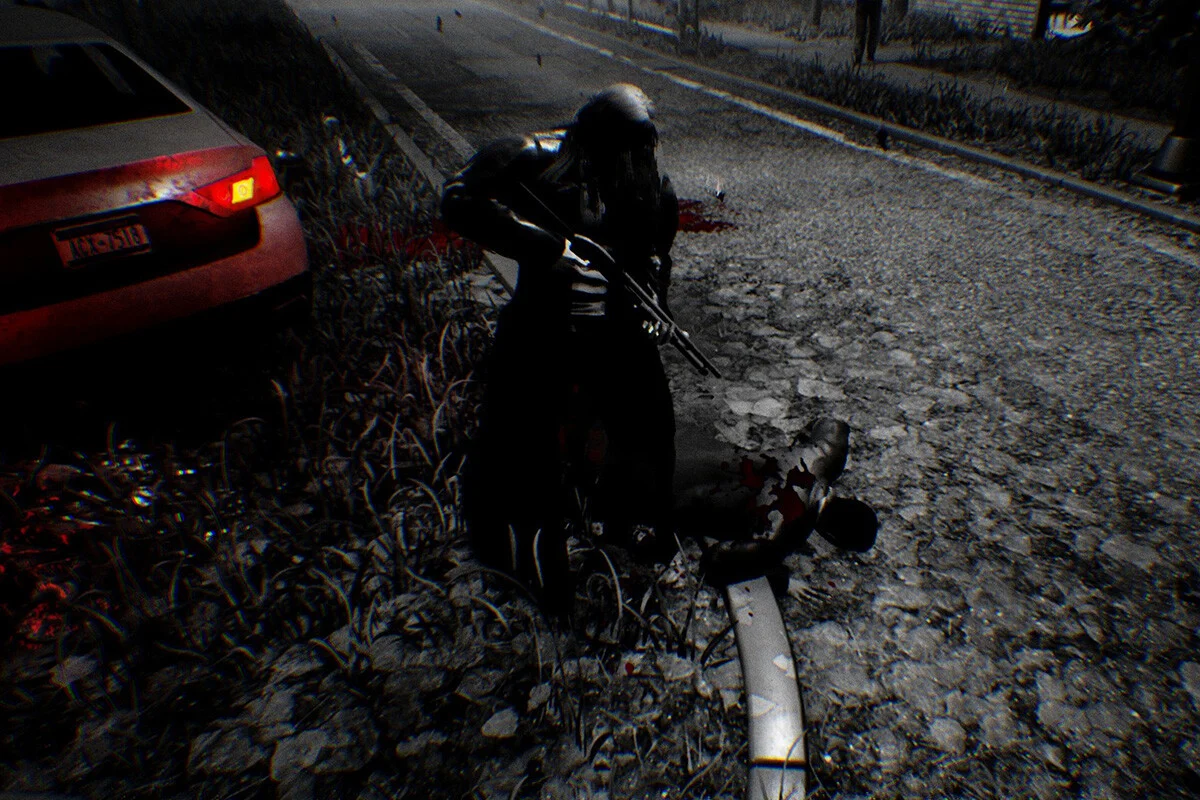
The dark and controversial shooter Hatred holds the distinction of being the debut project for the development studio Destructive Creations.
Launched in June 2015 for PC, Hatred centers on a protagonist committing a mass shooting without any provided motive or plot. The game was so controversial that it was temporarily removed from the Steam store before being personally reinstated by Valve’s Gabe Newell. Most critics and regulators viewed the project as a deliberate attempt to use shock value as a marketing tool, leading to immediate bans in multiple countries.
Agony
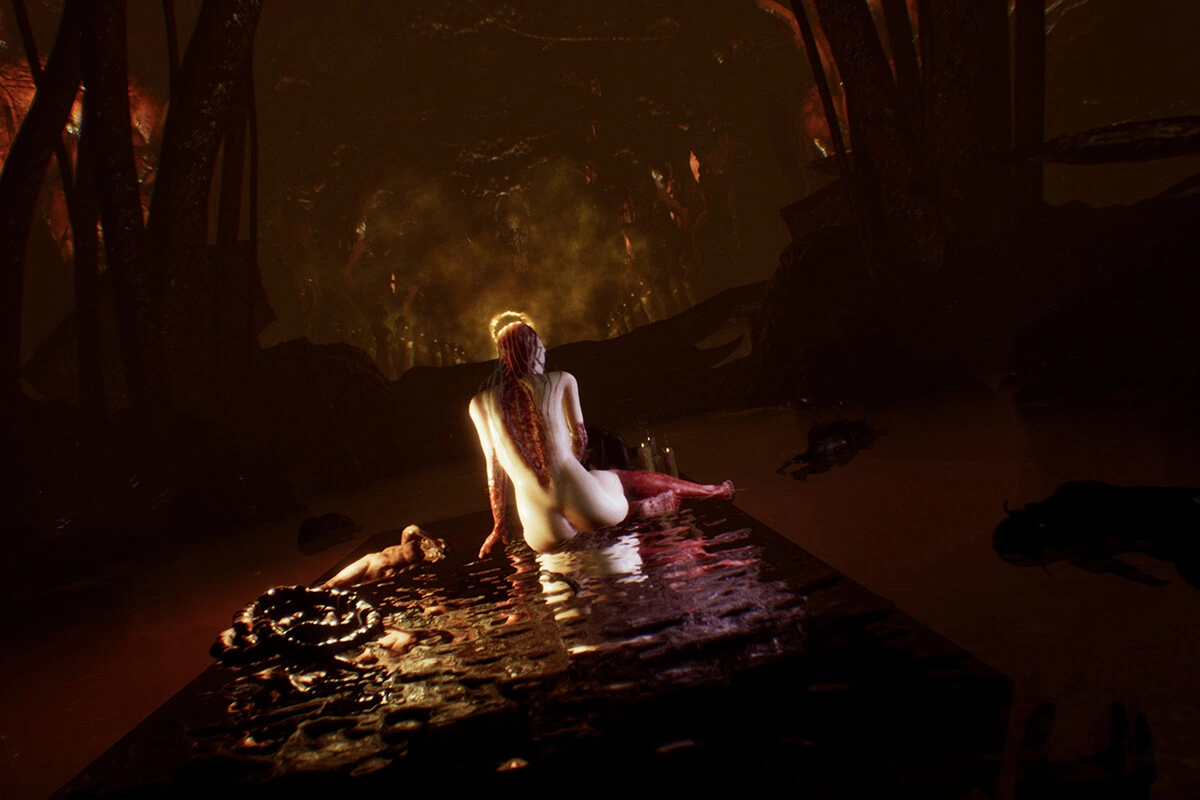
The game’s narrative features a branching structure with multiple endings that depend entirely on the choices and progress made by the player.
Agony, released between 2018 and 2019 by Madmind Studio, presented a hyper – sexualized and gruesome depiction of hell. Due to the extreme nature of the content, including sexualized violence and visual extremism, many agencies blocked the initial release. The developers were eventually forced to release a censored version to satisfy the requirements of major platforms and international rating boards.
National pride and political controversy
When virtual conflicts intersect with real – world geopolitics, the results can lead to diplomatic incidents. Some titles have found themselves banned not for their gore, but for their perceived insults to national identity or historical sensitivity.
Call of Duty Modern Warfare 2
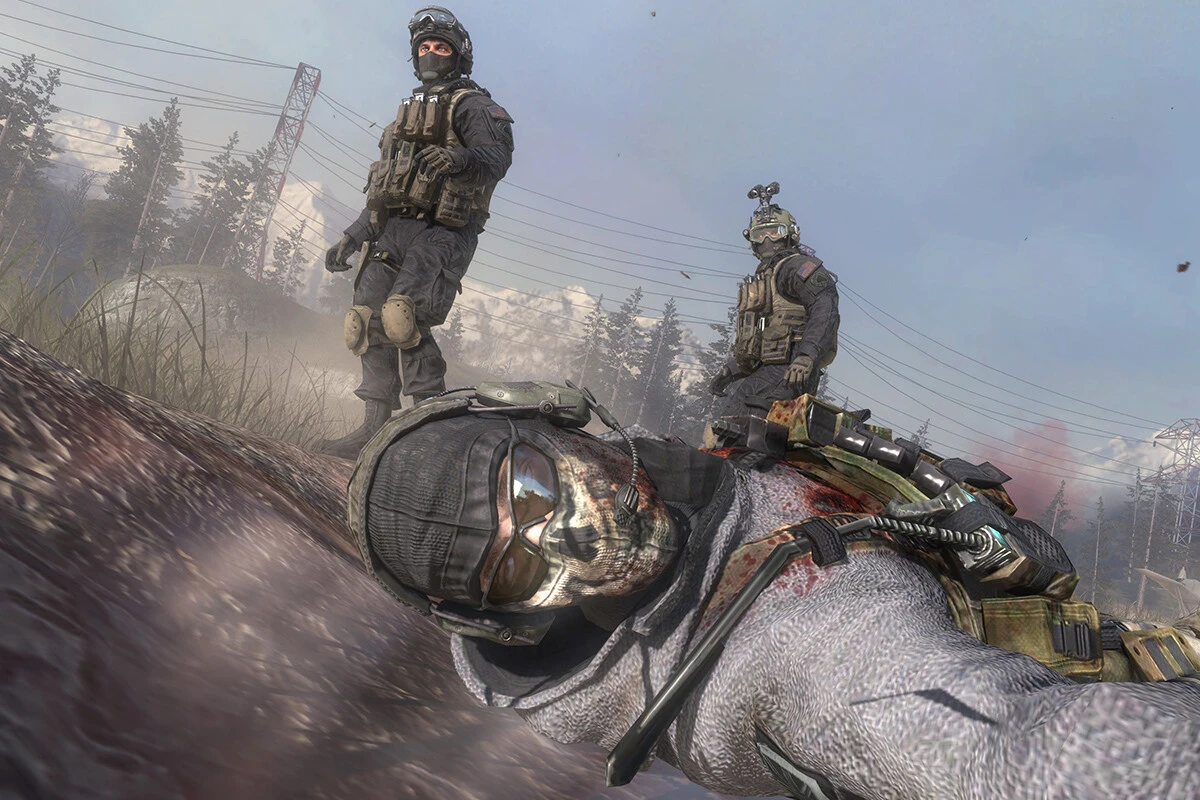
In its early stages of production, this blockbuster sequel was originally announced to the public under the working title Call of Duty 6.
The 2009 release of Modern Warfare 2 contained the “No Russian” mission, where players take part in a simulated terrorist attack at a civilian airport. This triggered one of the largest political scandals in gaming history, resulting in the mission being removed from the Russian version of the game. In Japan, the mission was modified to prevent players from firing at civilians, as critics argued the scene was an unnecessary provocation that could have been handled through non – interactive cutscenes.
Spec Ops The Line
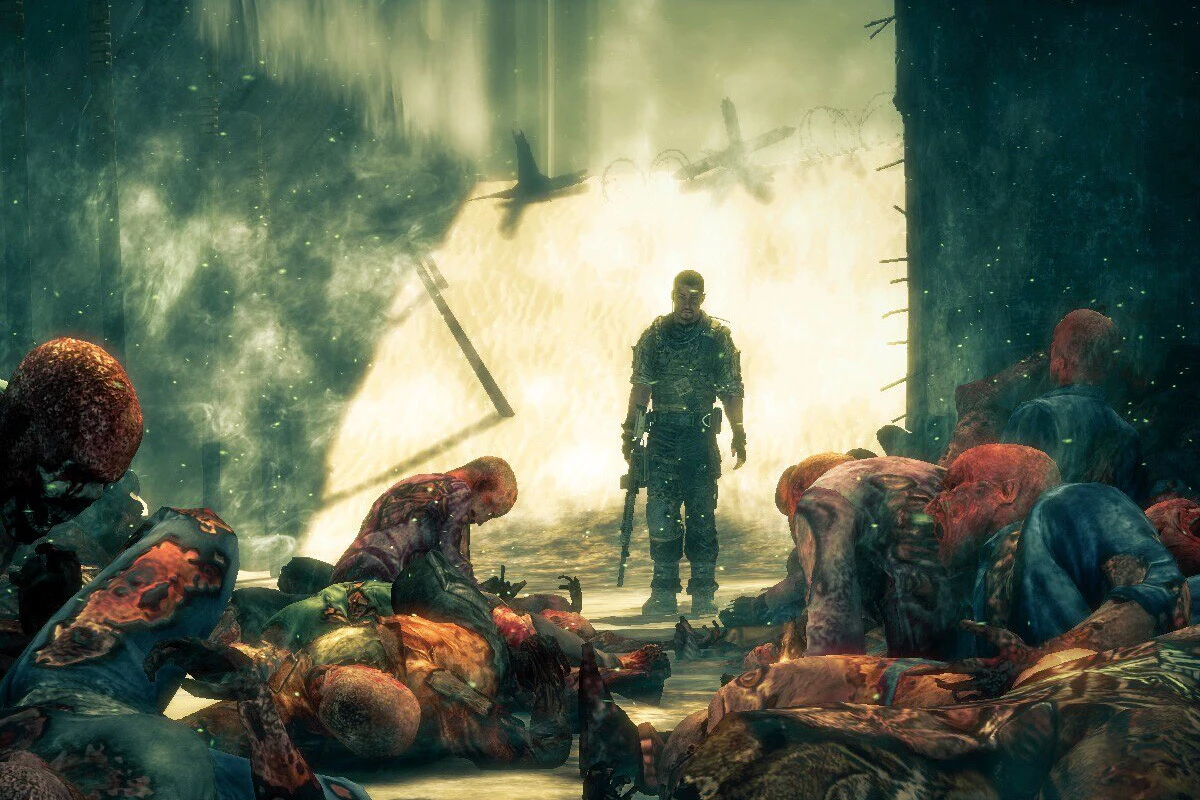
This anti – war shooter distinguishes itself from competitors by forcing players to make heavy moral decisions that impact the game’s progression.
Spec Ops: The Line was famously banned across the United Arab Emirates because the plot depicted a ruined and catastrophic version of Dubai. While the developers at Yager intended the game to be a profound anti – war statement, regional authorities viewed the depiction of the city as a threat to their national image. This political sensitivity prevented the game’s release across the entire region despite its high critical praise.
Frequently asked questions
The psychology of moral panic is a driving force behind game censorship, as some conservative figures believe interactive media “trains” users for real – world violence. Because players are the ones performing the digital actions, it creates a unique political leverage that can be used to justify legislative bans and heavy restrictions.
Rating agencies such as the ESRB, PEGI, CERO, and USK have the power to effectively block a game’s commercial existence. If a title is refused a rating, it cannot be legally sold in physical stores or on official digital platforms within that territory. This creates a massive financial incentive for developers to adapt their content to meet local legal requirements.
To avoid these total bans, developers often employ creative censorship techniques: changing blood colors, replacing human enemies with robotic counterparts as seen in titles like Half – Life, or introducing visual filters. These modifications allow a project to remain legally viable while preserving as much of the original gameplay experience as possible.
Context is often the deciding factor in whether a violent game is banned, with titles like Doom or The Last of Us: Part 2 avoiding mass restrictions because their violence is framed by a clear narrative. In contrast, games that feature realistic violence without a story or justification are usually the first to be targeted by regulatory bodies for immediate removal from the market.
While digital storefronts like Steam use regional IP tracking to enforce these bans, the global nature of the internet makes such restrictions increasingly difficult to maintain. Most geographic blocks can be bypassed with relative ease, suggesting that traditional national borders are becoming less effective at controlling the flow of digital entertainment.