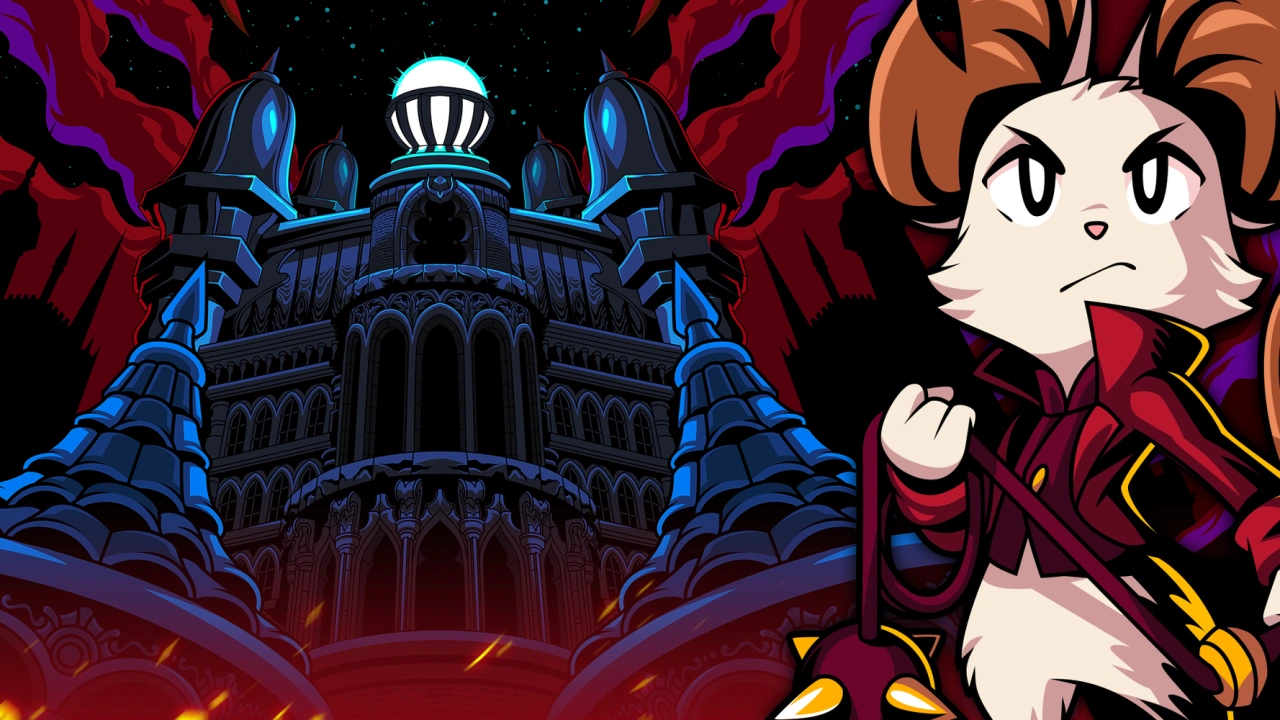

Independent developer Yacht Club Games has firmly secured its position as a leading force in the gaming industry with their latest creation, Mina the Hollower. Following the massive success of their breakout retro – platformer Shovel Knight, which masterfully blended classic 8 – bit action with contemporary design elements, the studio has returned with another nostalgic endeavor. This new title embraces an old – school aesthetic that openly honors the legacy of the Game Boy Zelda spin – offs. However, its sophisticated implementation of modern souls – like mechanics makes it far more than a simple tribute. While it closely evokes classic top – down adventures, the game is so densely packed with intricate secrets and interconnected systems that it frequently feels closer to Elden Ring than Link’s Awakening.
Visual similarities to Link’s Awakening, Oracle of Seasons, and Oracle of Ages are immediately apparent through the limited color palette, familiar sprite work, and top – down camera perspective. Yet, beneath this charming retro appearance, Mina the Hollower is significantly darker, more complex, and far more unforgiving. The difficulty level can be brutal and relentless, featuring thematic elements of gothic horror, body horror, and striking violence – even if these mature concepts are represented through adorable pixelated animals.
The narrative begins when the protagonist, Mina, receives an urgent letter from Baron Lionel, the leader of Tenebrus Island, requesting her immediate assistance with the region’s failing power network. Within this universe, Mina is a Hollower – a specialized role combining the duties of a civil engineer and an earth scientist. As the preeminent expert in her field, she actually invented the spark technology that drives the island’s power generators, laying the groundwork for all of Tenebrus’s modern technological marvels. Now that these crucial generators are mysteriously malfunctioning, she is tasked with discovering the root cause of the crisis.
After a sudden monster ambush on her vessel as she journeys toward Tenebrus, Mina must choose her starting weapon from an initial selection of three distinct options, signaling the intense combat ahead. While fans of the genre might expect a standard blade akin to Link’s iconic sword, Mina’s twin daggers, named “Whisper” and “Vesper,” offer a similar high – speed offensive rhythm. Alternatively, players can opt for the “Night Star,” a morningstar – style whip boasting superior attack range, or the heavy “Bash Hammer,” a massive blunt weapon designed for crushing blows. This initial choice sends an unambiguous message to the player: survival requires taking every combat encounter with utmost seriousness.
Upon arriving at the coastal docks and venturing into the primary hub city of Ossex, the broader scope of the conflict begins to crystallize. The vital energy infrastructure has been systematically sabotaged by an eco – terrorist named Thorn, prompting Baron Lionel to commission Mina to repair the six primary generators scattered around the city’s outskirts. Rather than providing explicit directions, the game offers only vague guidance, leaving players to navigate a non – linear world that refuses to spoon – feed instructions. Ossex itself is a massive metropolis populated by numerous unique characters who share critical information that the game does not automatically record in a journal. Managing this intelligence – whether through memory, manual notes, or immediate investigation – is left entirely to the player, offering an overwhelming sense of freedom that closely mirrors Elden Ring, especially since the local newspaper suggests a starting direction, but dungeons can be completed in almost any order.
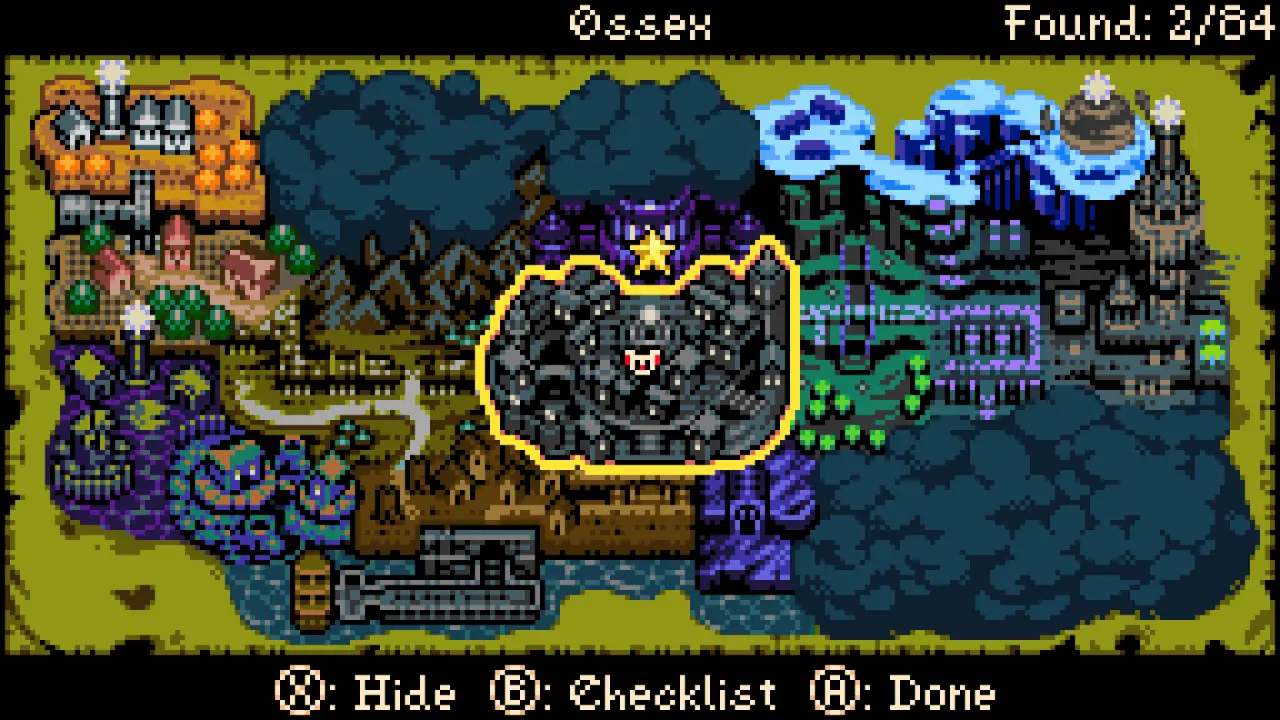
The dungeons themselves depart significantly from traditional genre conventions, particularly in how they are integrated seamlessly into the overarching map. Instead of stepping into isolated, self – contained instances, players explore crypts, subterranean caves, and murky swamps organically woven into the landscape. No clear boundary separates the open world from these dangerous gauntlets, making them part of a singular, organically unified reality. This cohesive world design is further enhanced by an abundance of unlockable shortcuts and hidden pathways that physically connect disparate regions.
Despite this seamless structural integration, every distinct region of the map maintains a highly original and fresh thematic identity. Initial exploration might lead eastward to the eerie Queensbury Crypt, a somber cemetery overflowing with ancient tombs, statues, and a complex meta – puzzle culminating in a tragic, story – driven boss encounter. From there, players can venture into the toxic environment of Knox Swamp, which demands precision platforming to leap across dangerous water hazards. Another standout area is Septemburg, a harvest – themed farming village haunted by a terrifying entity known to local youths as The Carver. This creature actively stalks the player through the zone, introducing an unexpected survival – horror dynamic reminiscent of classic antagonists like Mr. X or Nemesis from the Resident Evil franchise.
In a major shift away from the traditional Zelda blueprint, exploring these dungeons does not reward players with specific tool items required to solve localized puzzles. While this absence might initially disconcert veterans of the genre, Mina’s innate capabilities ensure the gameplay rhythm never stalls. Pacing and progression are maintained entirely through clever environmental design and player capability rather than a reliance on traditional keys or newly acquired gear. If a player possesses the mechanical skill to navigate from one side of an obstacle to another, they are free to advance.
This design philosophy becomes even more impressive given how tightly packed the game world is with content. Every single screen is overflowing with hidden layers and interconnected mysteries, many of which can easily be overlooked during an initial playthrough. Even after successfully reaching the credits, players will likely feel they have only scratched the surface of what the title has to offer. Cooperative testing among multiple individuals frequently reveals completely different character interactions and hidden details, with certain events triggering for one player but not another under identical circumstances, highlighting a deeply complex world that will fuel player experimentation for a long time.
The combat mechanics exhibit an exceptional level of depth, extending far beyond the initial trio of starting weapons. Players can discover or purchase a variety of alternative arms throughout their journey, each capable of being upgraded and boasting distinct operational characteristics. For instance, the twin daggers demand an adjustment to a specific two – hit combination rhythm for close – quarters combat, while the Night Star requires strategic positioning to maximize its extended reach. There is also a firearm option that grants significant ranged advantages but operates with severely restricted ammunition capacity, ensuring that every weapon precisely accommodates a different playstyle without forcing players to master them all.
Supplementing the primary arsenal is a diverse array of sub – weapons that draw from a dedicated mana pool when utilized. This secondary gear includes a heavy throwing axe that mirrors the classic trajectory found in Castlevania, a defensive umbrella that blocks incoming strikes before being hurled at adversaries, a boomerang – style throwing disc, and even a small animal companion that follows Mina on a leash. The sheer variety of these secondary tools provides a constant incentive to discover new items and experiment with how they can alter combat encounters.
However, the sheer ambition of the combat system occasionally strains against the self – imposed structural limitations of the retro style. While the game successfully adapts the classic top – down 2D perspective of Game Boy Zelda games, those original titles were never engineered to accommodate such high – skill, complex combat scenarios. The flat viewpoint occasionally obscures whether an enemy is airborne, requiring a well – timed jump attack to make contact. Furthermore, because many foes charge directly at the protagonist, the complete lack of a dedicated dodge or dash mechanic becomes highly noticeable, forcing players to rely on jumping or burrowing underground to evade danger. While both defensive maneuvers are highly effective, mastering their precise timing is mandatory to overcome the game’s strict combat demands.
Consequently, the title presents an incredibly steep difficulty curve that can prove merciless to unprepared players. Boss encounters are notoriously demanding, and even standard groups of regular enemies can quickly prove fatal if vigilance slips, given that Mina is ultimately a fragile little mouse. The player’s sole sanctuary is the Underground Laboratory, a subterranean haven where Mina can burrow to recover health and adjust her loadout. Because these laboratories are often spaced far apart, players will frequently find themselves desperately seeking the next checkpoint while on the brink of death. The arduous trek from a laboratory back to a boss arena can be brutal, often requiring numerous attempts, particularly since health vials require defeating enemies to recharge and feature strictly limited uses. Upon death, Mina drops her accumulated spark, leaving just a single opportunity to retrieve it before her hard – earned currency is permanently lost.
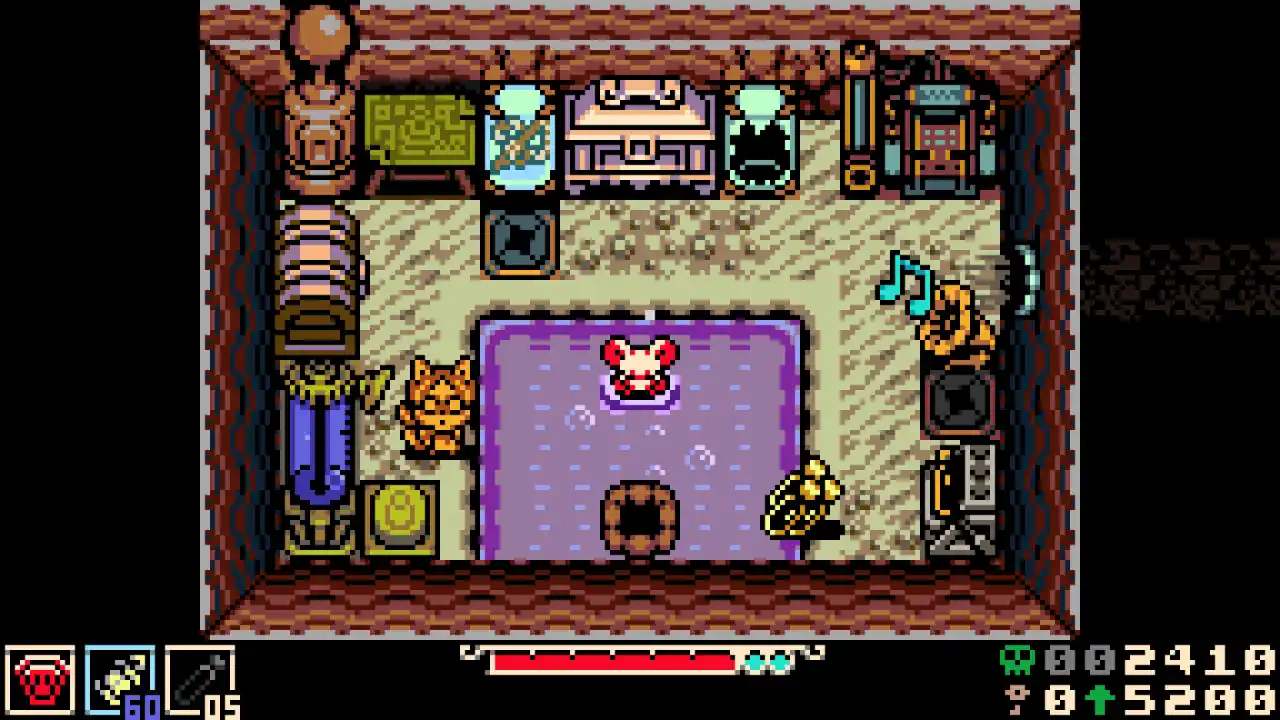
This demanding level of difficulty is clearly an intentional design choice, and despite minor frustrations with the retro perspective, overcoming these trials provides a profound sense of accomplishment. Much like a traditional souls – like experience, the game demands genuine mechanical improvement from the player. True satisfaction comes from feeling one’s personal skills steadily evolve to meet the steep challenges imposed by the environment.
To accommodate a broader audience, however, the developers have included a robust suite of optional accessibility modifiers that differentiate it from traditional Souls games. Players can customize their experience by activating damage reduction, adding extra checkpoints within dungeons, or adjusting the overall game speed. These generous toggles allow anyone to tailor the difficulty precisely to their liking, or even increase the challenge for an added test of skill. Furthermore, completing the main campaign unlocks an even wider selection of modifiers, offering immense freedom to restrict or liberate subsequent playthroughs.
The economy revolves around Bones, a currency amassed by defeating monstrous foes and thoroughly exploring the environment. Once a player accumulates enough Bones, they can purchase vital upgrades to boost Mina’s raw power, defensive capabilities, or firearm mana capacity. Alternatively, players can convert their loose currency into bone stones, a stable form of wealth safely stored within the Underground Laboratory that remains secure even after a fatal mistake. These Bones are also utilized to procure permanent character enhancements, new weapons, gear upgrades, and various trinkets.
These equipable accessories serve as a cornerstone for tailoring Mina’s capabilities to match specific playstyles. They offer potent mechanical advantages, such as extending the duration Mina can remain safely burrowed underground, increasing the maximum capacity for carrying health packs, or providing a vital one – time resurrection in catastrophic situations. While none of these trinkets are strictly mandatory for environmental progression like the items in a Zelda game, discovering and combining them represents a highly rewarding aspect of navigating this hostile landscape.
The world itself remains persistently hostile and unpredictable, even in areas that typically promise safety. For instance, while traversing the supposedly secure streets of the central city hub, players can suddenly be snatched by a giant merchant who drags them into a shop and forces a commercial transaction. The author even triggered an unexpected boss encounter right within the city limits while assuming it was a safe zone, forcing an immediate battle for survival with precious currency on the line. Every element of the environment is calibrated to reinforce this ambient sense of danger and treachery.
While the entirety of the journey leaves a powerful impression, the final hours of the game are particularly spectacular due to a concluding pair of dungeons that overflow with design creativity. Whereas prior levels focus heavily on establishing a distinct thematic identity, these final areas seamlessly synthesize multiple mechanical concepts and puzzle archetypes into a singular experience. This creates an absolute showcase of advanced level design that feels like a confident display of pure creative mastery by Yacht Club Games.
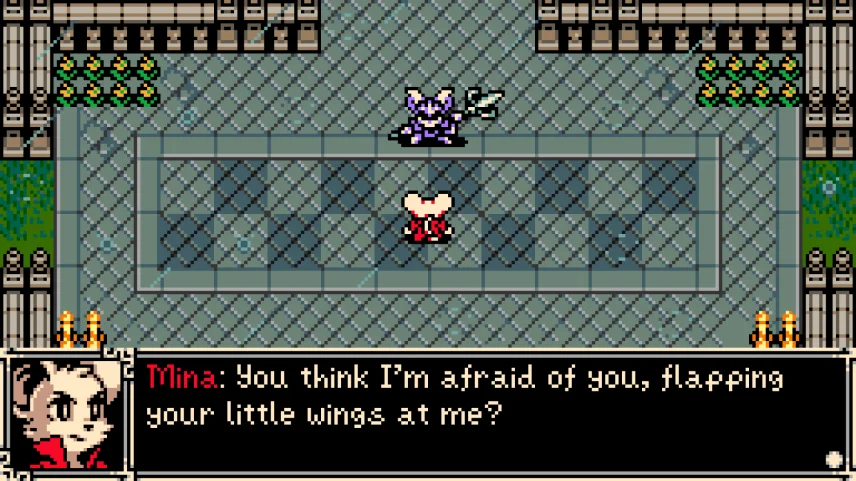
Concluding each dungeon initiates an extended platforming sequence that utilizes a visually striking effect reminiscent of the Mode 7 graphics era on the Super NES. The generator structures themselves are fully cylindrical, requiring players to sprint entirely around their perimeters while climbing upward to escape a pursuing electrical discharge. This high – energy mechanic offers a thrilling climax to each area following a memorable boss encounter, with each tower’s obstacles perfectly tailored to reflect the specific theme of the preceding dungeon.
As each generator is successfully restored, Mina uncovers a written message, typically authored by the eco – terrorist Thorn, who consistently remains one step ahead in his campaign of sabotage. Within these letters, Thorn articulates his philosophical motivations and implores Mina to reconsider her alliance with Baron Lionel. For players who grew up with environmental narratives like FernGully or Captain Planet, the trajectory of this plot may feel familiar, yet the execution delivers genuine narrative nuance. The story functions as a poignant environmental parable that avoids becoming overly preachy, demonstrating that while repairing the infrastructure benefits society, Thorn’s destructive crusade also possesses valid justifications. The world is locked in a tragic compromise, having become far too dependent on advanced technology to abandon it without catastrophic consequences, yet unable to continue its current path safely, ensuring that any choice results in systemic suffering.
Ultimately, the sheer scale and ambition realized by Yacht Club Games within such a compact, retro – inspired framework is astonishing. The title successfully transcends mere nostalgic imitation to deliver a fresh, inventive, and deeply engaging adventure. While Shovel Knight served as an exceptionally successful debut for the independent studio, Mina the Hollower stands as a strong candidate for their definitive masterpiece.