
Peter Molyneux has returned with a project that blends familiar ambitions with old-school experimentation. Masters of Albion arrives in early access carrying echoes of earlier Lionhead-era design, mixing management systems, action combat and god-game mechanics into one unusually broad package.
Even in its unfinished state, the game shows clear personality. It is messy, ambitious and often enjoyable – the kind of release that can frustrate one minute and surprise the next.
Technical Problems Mark the Launch
The first impression is weakened by unstable performance. After repeated adjustments, the game still struggles to maintain a smooth experience and can hover around an inconsistent 30fps on capable hardware.
The interface creates its own issues. Basic options are hidden behind strange menu paths – quitting from the main menu requires opening settings and moving to a miscellaneous tab, while returning to the menu during gameplay means exiting to desktop first. Resolution and refresh settings are tied to Windows, DLSS appeared unreliable, and multiple save files are not available.
Albion Feels Familiar but Distinct
This is not a new Fable, despite the shared world name and clear tonal similarities. The setting again presents Albion under threat, shaped by magic, tyranny and a playful British fantasy style. Regional voice performances, bawdy humor and Russell Shaw’s score all evoke older memories.
Still, the project does more than imitate the past. There is enough craft and sincerity in its presentation to make the world feel charming rather than cynical, creating something recognisable yet separate.
The Giant Hand Drives the Gameplay
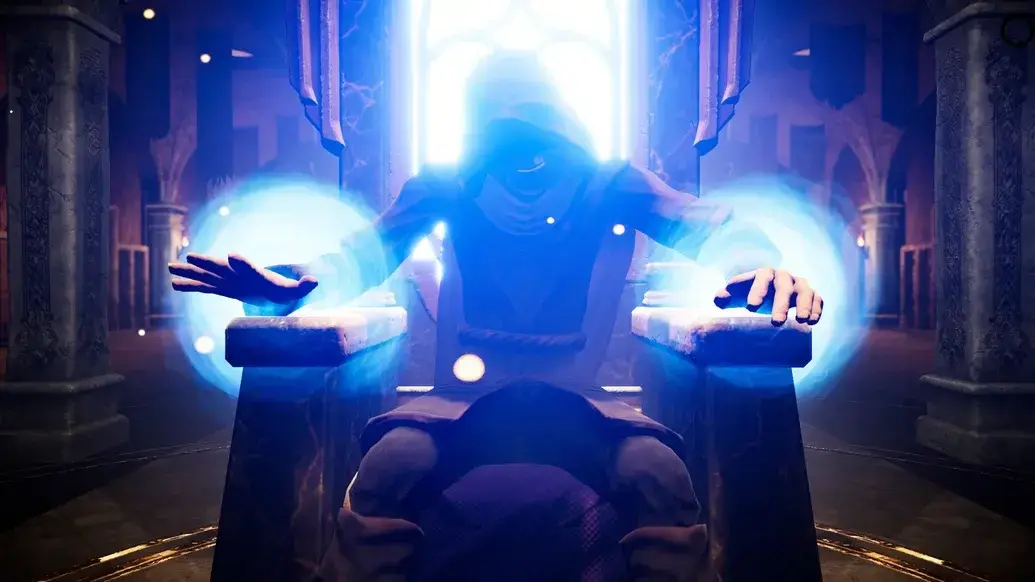
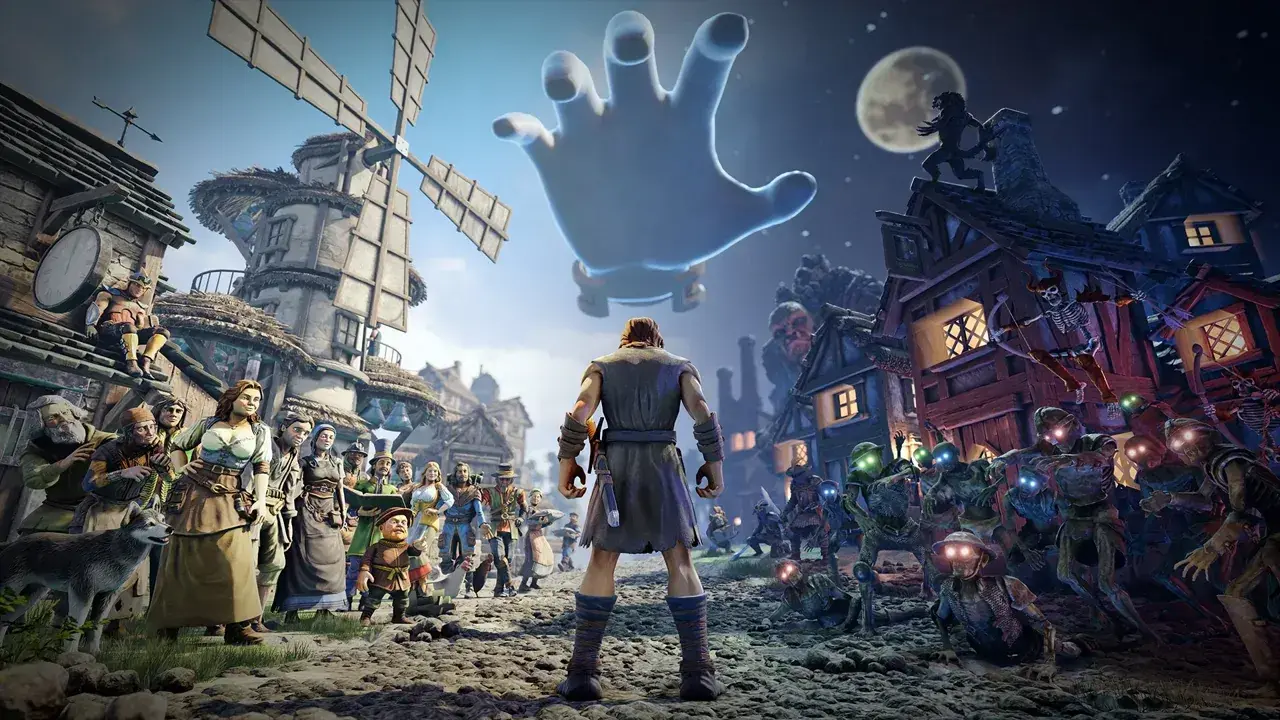
Players become a hooded Chosen One summoned to the abandoned village of Oakridge. Soon, that figure claims a throne of immense power and gains a giant floating hand – the game’s central mechanic and spiritual successor to ideas seen in Black and White.
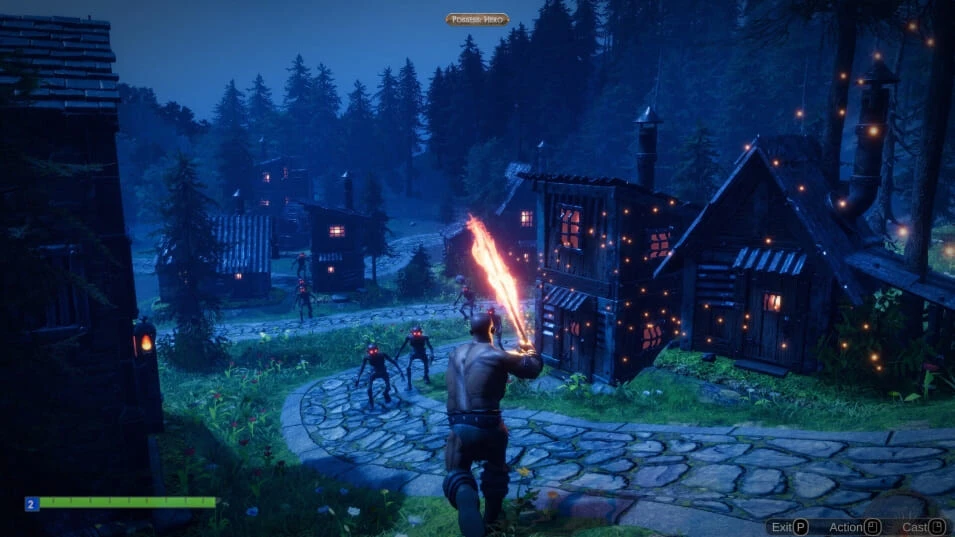
That hand connects the three major systems of Masters of Albion. It can throw rocks at enemies, move villagers like chess pieces, speed production by tossing resources between buildings, cast destructive magic, or possess heroes for third-person combat. At night, undead armies attack settlements from fixed points, forcing players to combine planning, tower defenses and direct battlefield control in order to survive until dawn.