
Nintendo appears to be embracing a distinct philosophy of “apocalyptic simplicity” across its latest software releases – a trend focused on pure, unadulterated velocity and environmental chaos. This design approach strips away unnecessary clutter, prioritizing sheer momentum in a way that has now defined two major titles from the publisher.
The groundwork for this style was set by Donkey Kong Bananza, a propulsive beat-’em-up where players spent most of their time obliterating the terrain itself. By smashing through rock, soil, and earth until nothing was left, the title turned level destruction into a fast-paced, joyful thrill ride that relied on raw power.
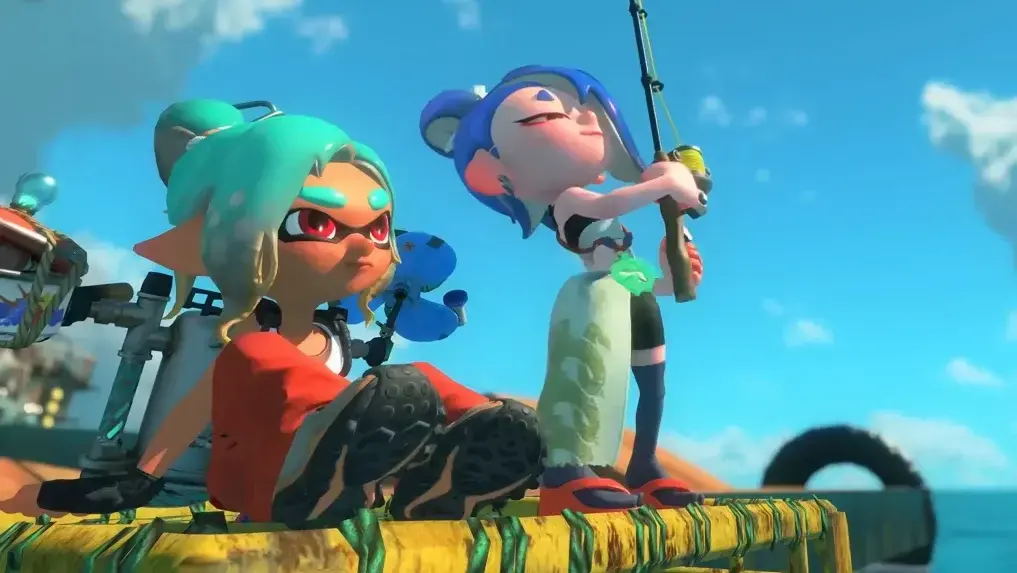
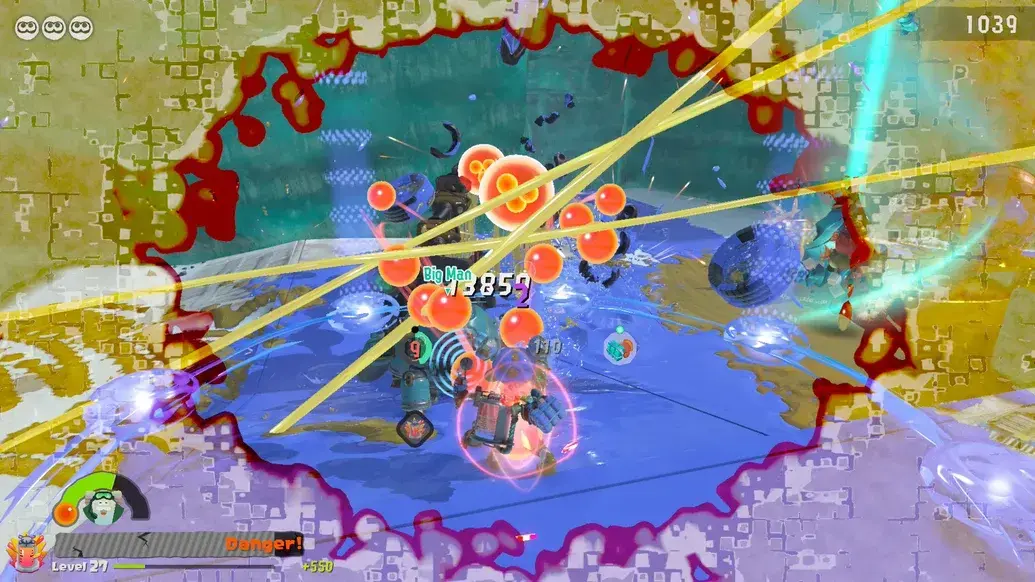
Building directly upon that energetic foundation, Splatoon Raiders arrives as a third-person shooter that pushes chaotic encounters even further. The game routinely floods the screen with immense swarms of oversized enemies, tasking players with clearing out entire zones, gathering leftover trinkets, and charging forward without taking a single breather.
Much like Bananza – where subterranean tunneling forced unconventional camera angles as players cut through gorilla-sized caverns – Splatoon Raiders strains the limits of its camera system. The frame frequently fills with colossal exploding creatures spewing gunk across the view, yet the game maintains its relentless pace without hesitation.
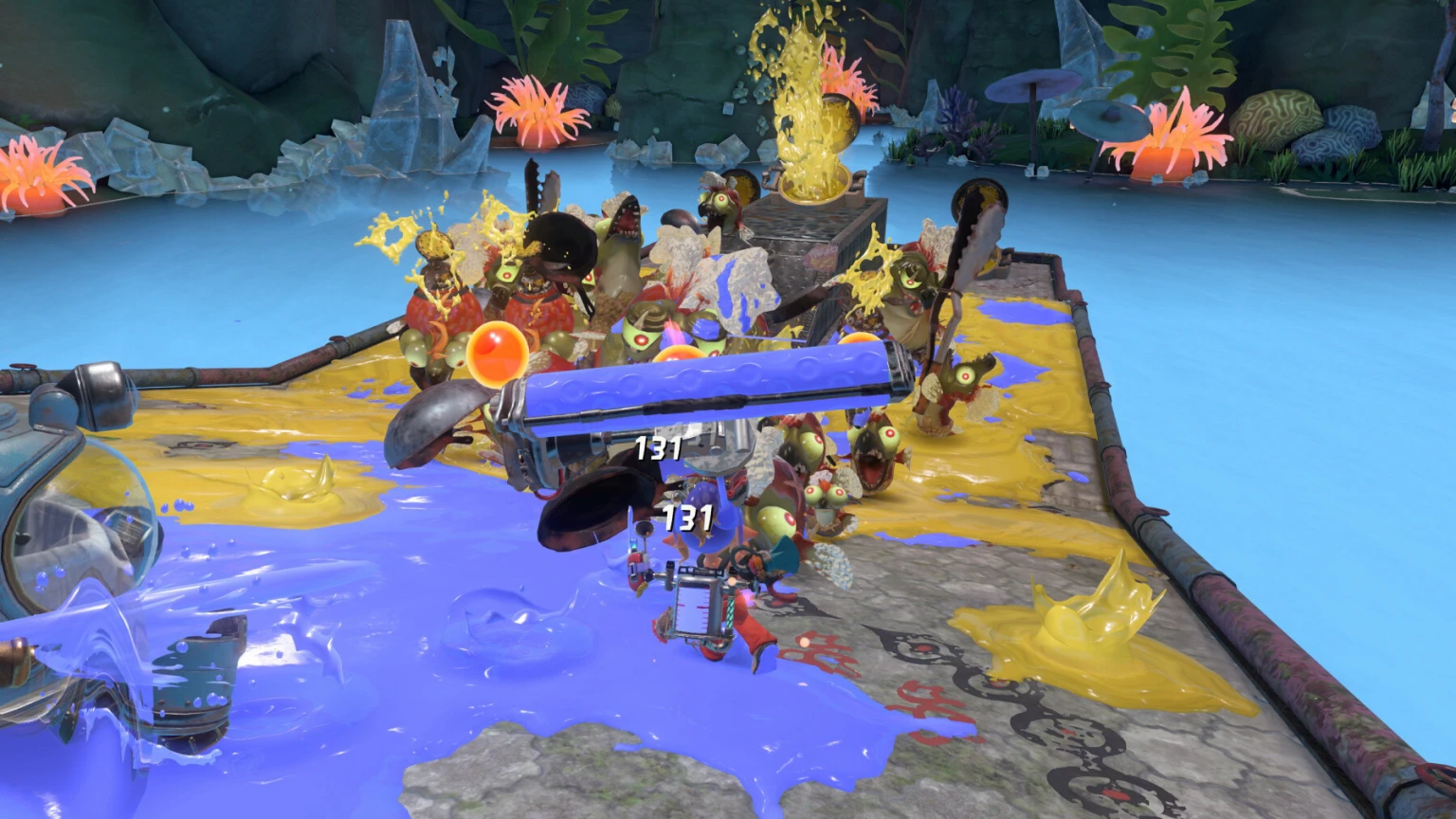
Visual chaos is countered by precise auditory feedback that actively guides the player through the frantic skirmishes. Connecting shots against taut-skinned, chunky enemies trigger a rapid snare drum rat-a-tat sound effect, providing essential confirmation that attacks are landing even when the action becomes visually overwhelming.
While Splatoon Raiders shares a spiritual connection with Bananza, its direct lineage traces back to Salmon Run, the popular PvE mode featured in recent mainline Splatoon titles. Raiders takes that survival formula – along with a wide selection of established weapons and monstrous fish enemies – and expands it into an independent standalone release.
The core campaign revolves around exploring dangerous island archipelagos and underground cavern networks in search of valuable loot. Between expeditions, players return to a makeshift raft that serves as a central operational base to inspect winnings, upgrade gear, and enhance abilities before diving back into combat.
This single-minded loop keeps the focus entirely on action: leave the raft, eliminate hostiles, collect resources, and return to base to prepare for tougher challenges. The entire adventure can be experienced either completely solo or in co-op mode with up to three companions, supported through both online and local wireless connectivity.
Movement and combat rely on the iconic mechanics that defined the series. Ink serves as primary ammunition while simultaneously coating terrain, allowing players to submerge into their team’s color in squid form to move stealthily, dodge incoming attacks, and quickly replenish depleted weapon ink reserves.
Navigating painted surfaces allows players to zip through levels, scale vertical walls, and slip through narrow metal grates effortlessly. Conversely, stepping into enemy ink severely hampers movement speed, making territorial coverage essential for survival even in the absence of explicit land-capture scoring mechanics.
Players can deploy an expansive arsenal ranging from rapid-fire machine guns and heavy paint rollers to the swift paint brush. While the brush acts like an elegant rapier requiring significant skill to master, the chaotic nature of Raiders often makes twin pistols and automatic rifle variants the most practical choices for survival.
Understanding enemy behavior is vital for staying alive, with many iconic threats returning directly from Salmon Run. In addition to standard wobbling creatures and pan-wielding minions, players must confront toxin-spewing mechanical eels, amphibious tower lasers mounted on saucepans, and various other massive monstrosities.
The design of these foes blends seamlessly with the world’s bleak aesthetic, which sits somewhere between a post-industrial wasteland and an ash tray. This gritty, grim visual identity builds directly upon the dirty charm that originally made Salmon Run stand out.
Battles reach their highest intensity during wave-based spawns, where diverse enemy types converge simultaneously. Managing these hordes requires immediate tactical decisions, as specific targets must be whittled down, shot from precise angles, intercepted in the air, or dodged as they explode upon defeat.
The forward momentum feels strikingly similar to modern Doom games, maintaining an intense tempo where shooting and reloading are never interrupted by incoming damage. Because taking hits does not stagger the player character, health depletion often goes unnoticed, making unexpected deaths feel like sudden surprises.
Loadouts offer deep customization options, combining distinct ink tanks with passive relics and active gadgets. Equipment like area-of-effect jump attacks or protective ink circles can be paired together, while additional upgrade parts allow players to alter gadget performance to fit unique playstyles without overwhelming complex systems.
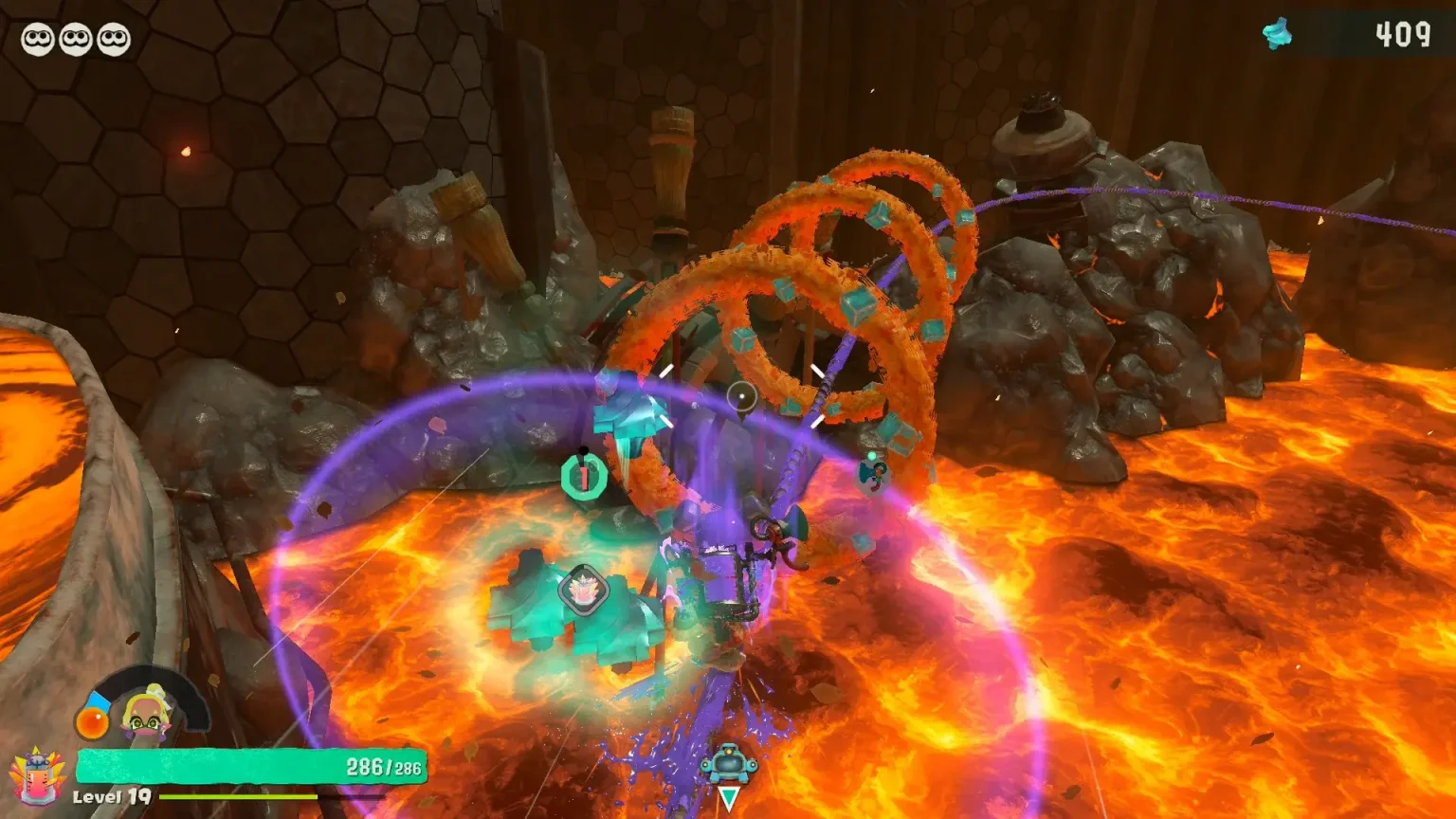
A CPU-controlled companion mech accompanies players on missions, handling its own actions while providing extra utility like a double-jump feature. Defeated enemies drop orange eggs that charge the mech’s devastating special attacks, which can be upgraded and customized back at the raft base.
The exact nature of the mech’s special ability depends on which teammate is selected to pilot it. For instance, choosing Frye as a partner unleashes a airborne storm of moray eels that rains down on surrounding enemies to turn the tide of battle.
Missions alternate between clearing surface island nodes so the mech can drill for treasure and navigating timed underground chambers. In these subterranean levels, players must collect enough orange eggs within the time limit to power the mech’s drill for deeper progression, alongside specialized puzzle-like encounters.
Ultimately, Splatoon Raiders captures a sense of uninhibited confidence, turning a successful side mode into a full-fledged action experience. By prioritizing pure, chaotic gameplay over visual restraint, Nintendo demonstrates a youthful design energy rooted in apocalyptic simplicity.