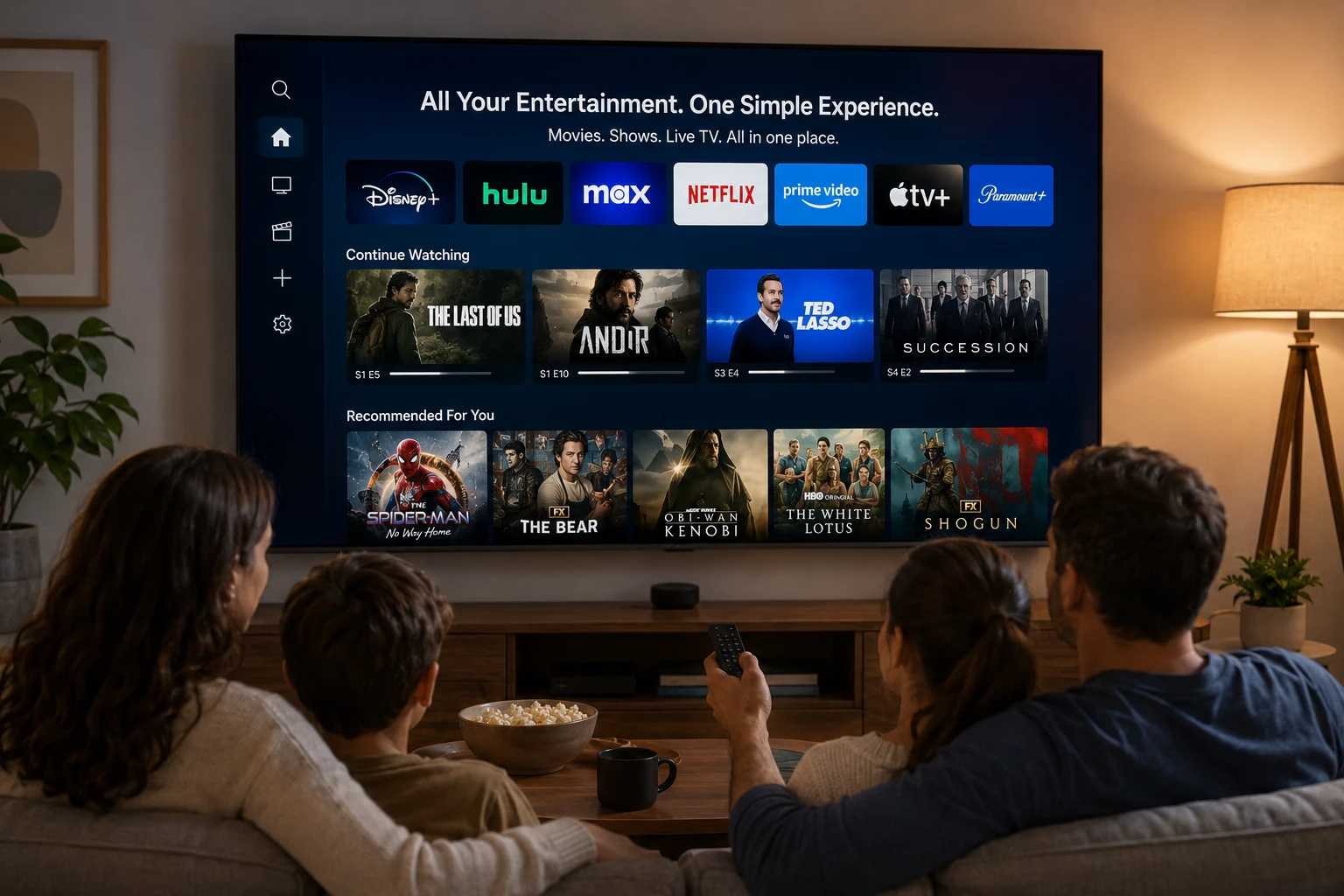

Recent telemetry from international B2B software aggregators highlights an unprecedented lift in player interaction during targeted seasonal campaigns. Global analytics point out that platform configurations featuring prominent holiday-themed catalogs capture up to a 65% surge in daily active users compared to baseline operational quarters. Furthermore, user data indicates that day-30 retention rates show a significant positive deviation when a platform regularly refreshes its visual interface with time-sensitive content blocks. This empirical evidence proves a foundational rule of modern digital media: contemporary audiences respond strongly to real-time cultural relevance, seeking out short-term, thematic novelty over non-varying gaming libraries.
Behavioral Science of Limited Time Variety
Human engagement with digital content is heavily influenced by external environmental cues and the psychological concept of artificial scarcity. When an online platform introduces a dedicated holiday portal, the user interface immediately reflects the current cultural mood, creating a seamless psychological bridge between the player’s real-world environment and their virtual entertainment space.
This synchronization relies heavily on the FoMO (Fear of Missing Out) heuristic, paired alongside standard sensory priming. A slot Betty Casino Ontario game featuring winter soundscapes, custom holiday aesthetics, or localized festive music triggers immediate emotional comfort and nostalgia. However, because the platform presents these collections as limited-time opportunities, the human brain assigns higher perceived value to the experience. The player recognizes that these specific thematic graphics and specialized bonus mechanics will not remain in the spotlight permanently, which increases the cognitive urge to interact with the title immediately before the promotional window closes.
Operational Blueprints for Seasonal Content Deployment
Platform engineers and product directors do not simply change background graphics at random. Instead, they organize these time-sensitive portfolios into distinct operational frameworks designed to maximize long-term lifetime value across various user segments.
Holiday Centric Mainstream Portals
The most common structural format revolves around globally recognized holidays, such as winter festivals, spooky autumn events, or major regional celebrations. Operators aggregate dozens of titles from different studios under a single graphical banner, providing uniform promotional assets. These portals are heavily promoted via real-time push notifications, keeping the user base aligned with the overarching theme of the week.
Culturally Localized Event Calendars
Advanced systems move beyond international holidays by focusing directly on localized cultural events, such as major regional sporting tournaments or traditional folklore festivals. By using precise geolocation tools, the software displays specialized collections exclusively to players within specific geographic boundaries. This targeted execution ensures the visual themes feel authentic and deeply relevant to the user’s exact cultural context.
Seasonal Studio Cross Promotions
Rather than highlighting a single game, modern platforms often collaborate with top-tier software providers to host multi-title seasonal tournaments. These collections link multiple separate games together through a unified achievement network. Every spin across any participating thematic slot contributes points to a shared leaderboard, encouraging players to explore the entire curated collection rather than sticking to a single familiar title.
Statistical Analysis of Seasonal Library Performance
To properly understand the commercial viability of time-sensitive catalogs, we must examine how seasonal releases perform across standard operational verticals. The table below represents calculated behavioral data gathered from major content delivery networks over consecutive promotional cycles.
| Collection Framework Type | Average Session Velocity Lift | Cross-Sell Efficiency | User Burnout Horizon | Core Promotional Lifecycle |
| Winter Festival Portals | 78% | High | 4 Weeks | Short-Term High Intensity |
| Autumn Horror Modules | 64% | Moderate | 3 Weeks | Ultra-Dense Engagement Spikes |
| Localized Sporting Events | 52% | Extreme | 6 Weeks | Tournament-Dependent Fluctuations |
| Standard Baseline Catalogs | 12% | Low | N/A | Year-Round Consistent Routine |
Technical Infrastructure and Content Lifecycle Systems
Deploying an ever-changing rotation of seasonal content requires highly stable cloud management tools and responsive database structures. A platform must be capable of updating its entire front-end visual array without requiring manual server reboots or introducing structural downtime that disrupts active user sessions.
Essential Technological Components
To maintain a responsive, completely transparent content delivery pipeline, technical architects focus on several specific structural modules:
- Dynamic API Tagging: Utilizing automated asset tags to instantly group and filter relevant seasonal games into the correct user-facing lobbies.
- Edge-Cached Asset Delivery: Compressing heavy holiday-themed audio and visual files across localized Content Delivery Networks (CDNs) to prevent interface lag.
- Automated Campaign Expiry: Setting automated script parameters that smoothly phase out seasonal collections the exact minute a promotional window closes.
- Algorithmic UI Personalization: Adjusting the prominence of the seasonal tab dynamically based on an individual’s historical affinity for holiday themes.
Managing Math Profiles Across Temporary Libraries
From an analytical standpoint, operators must evaluate how the addition of seasonal games alters overall platform performance metrics. Many temporary titles feature high-volatility math profiles with elevated hit frequencies inside the bonus rounds to ensure players experience the unique holiday animations quickly. Because these games are meant for short-term consumption, developers must balance the Return to Player (RTP) settings so that the initial burst of player interaction remains highly entertaining without distorting the long-term mathematical hold models of the core platform infrastructure.