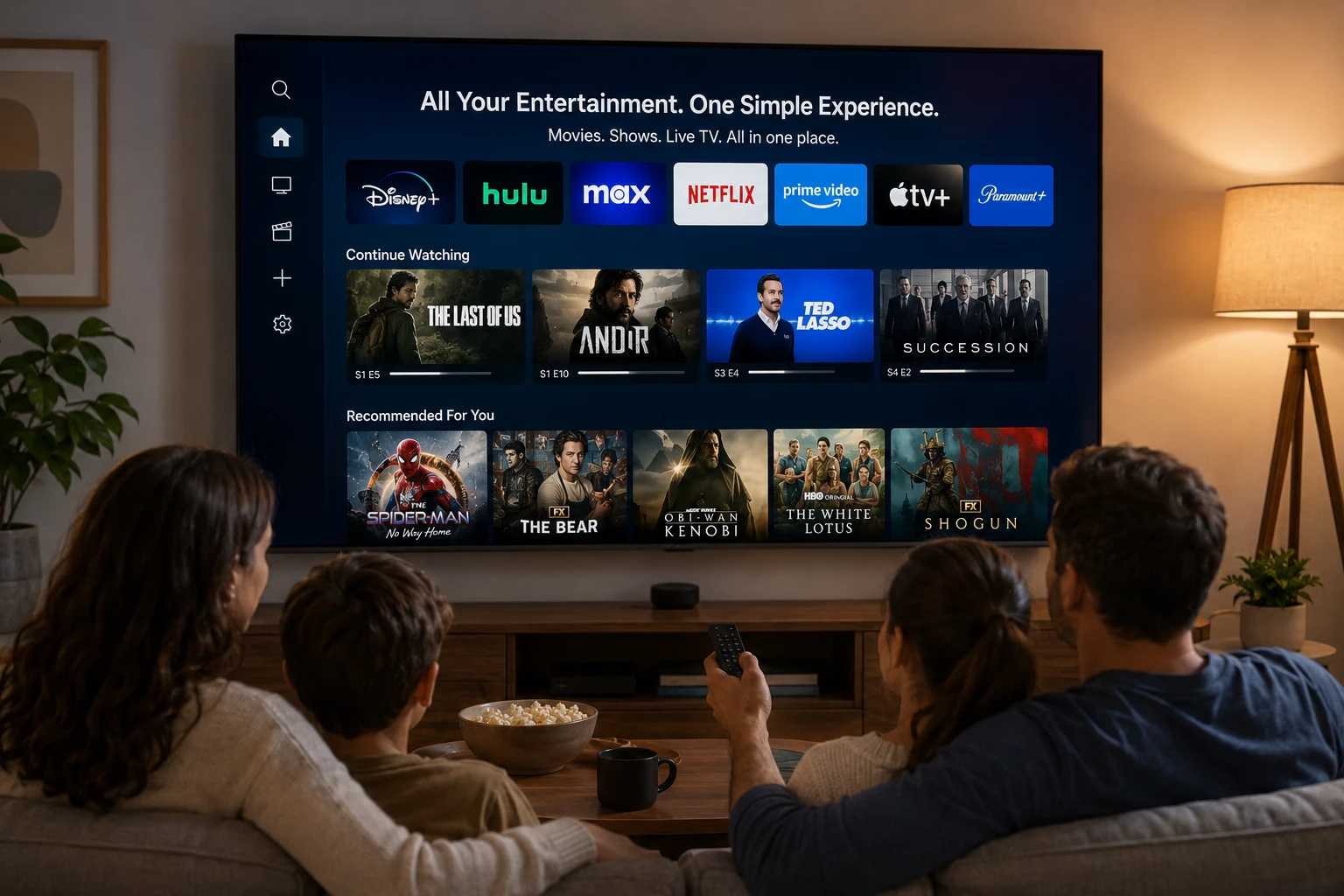

The digital entertainment marketplace has reached a critical structural turning point as consumer subscription fatigue peaks. Over the past several years, media networks fractured the marketplace by launching isolated applications, forcing viewers to manage multiple separate passwords, billing cycles, and rising monthly fees just to watch their favorite shows. Moving through the middle months of 2026, the public is aggressively rejecting this fragmented landscape in favor of all-in-one entertainment packages. Major studio conglomerates are realizing that standalone applications suffer from high customer turnover rates, forcing a industry-wide return to unified distribution models. This strategic shift is completely altering how household budgets are allocated, proving that convenience and value have officially outpaced platform exclusivity.
How Corporate Media Consolidation Directly Targets the Rise of Subscription Fatigue
Viewers are increasingly overwhelmed by the sheer volume of separate choices required to maintain a modern television lineup. The average household simply refuses to navigate multiple user interfaces just to locate a single documentary or live broadcast.
This consumer demand for clean, unified, and highly optimized digital spaces is exactly why mobile users frequently log onto platforms like Roobet during their evening television downtime, using the simple interface to enjoy a quick round of instant games without dealing with technical friction. In the entertainment sector, streaming networks are responding to this need for simplicity by forming corporate alliances that blend previously competing libraries into a single monthly bill.
To understand the financial and practical impact of this consolidation wave, it is helpful to examine how individual costs stack up against modern combined offerings. The data below illustrates the typical budget differences encountered when managing individual applications compared to a single unified package:
| Subscription Setup Model | Monthly Financial Outlay | Interface Navigation Experience | Annual Turnover Risk |
| Six Individual Standalone Apps | High cumulative monthly fee | Constantly switching between different apps | High as users cancel after finishing shows |
| Unified Multi-Platform Bundle | Reduced consolidated price | Single login with cross-app recommendations | Exceptionally low due to high family value |
| Basic Ad-Supported Single App | Lower cost with frequent interruptions | Static content library with no outer variety | Moderate depending on active releases |
Analyzing the Underlying Market Trends Driving the Return to Packages
The rapid rise of these entertainment packages is not an accidental shift; it is a calculated survival mechanism deployed by media giants to protect their market share. When platforms combine forces, they create an ecosystem that is incredibly difficult for a consumer to justify canceling, even during months when no major television series are actively premiering.
Why Joint Entertainment Systems Are Winning Back Modern Household Budgets
- Combined pricing models offer immediate monthly savings compared to individual setups.
- Viewers enjoy a vastly simplified billing experience with one single date.
- Large corporate libraries offer something for every member of the household.
- Cross-promotional tech allows you to search multiple platforms from one screen.
- Media companies enjoy predictable, long-term revenue and reduced customer churn.
The Technological Integration Creating Smooth Cross-Platform Search Tools
Building a successful package involves more than just sending a single invoice; it requires deep backend software synchronization to ensure the user experience feels genuinely seamless. Modern smart televisions and streaming sticks now use advanced discovery layers that pull data from separate media libraries simultaneously, allowing a user to search for an actor and see results from multiple services on a single dashboard. This level of technical cooperation eliminates the tedious process of opening and closing individual applications, making the digital environment feel like the classic cable television packages of the past but with the modern convenience of on-demand execution.
Looking Ahead at the Future Layout of Digital Media Distribution
As we move deeper into the final months of this year, the era of the isolated, single-focus streaming application is officially drawing to a close. The companies that continue to resist consolidation will likely face dwindling subscriber numbers as audiences flock toward massive, all-inclusive media ecosystems that respect both their time and their wallets. This evolution represents a healthy maturation of the digital economy, shifting away from aggressive platform hoarding toward a sustainable model centered around user convenience and financial value. Embracing these unified systems allows contemporary viewers to stop managing software subscriptions and finally get back to simply enjoying their favorite content.