
The 1990s and early 2000s built a particular kind of internet culture – one where virtual pets weren’t just pixels on a screen, but gateways to entire digital worlds. For millions of young people, Neopets represented something more than a Tamagotchi clone. It was a space to connect with peers, experiment creatively, and develop the gaming instincts that would define a generation’s relationship with play.
Much of that magic happened quietly, in the background of the main site. The Neopets Game Room – a Flash-based arcade tucked away in the larger ecosystem – offered dozens of mini-games that tracked high scores and rewarded players with Neopoints to spend on their virtual creatures. It was simultaneously frivolous and addictive, the kind of digital experience that seemed designed specifically for the era that produced it.
From flash memory to modern platforms
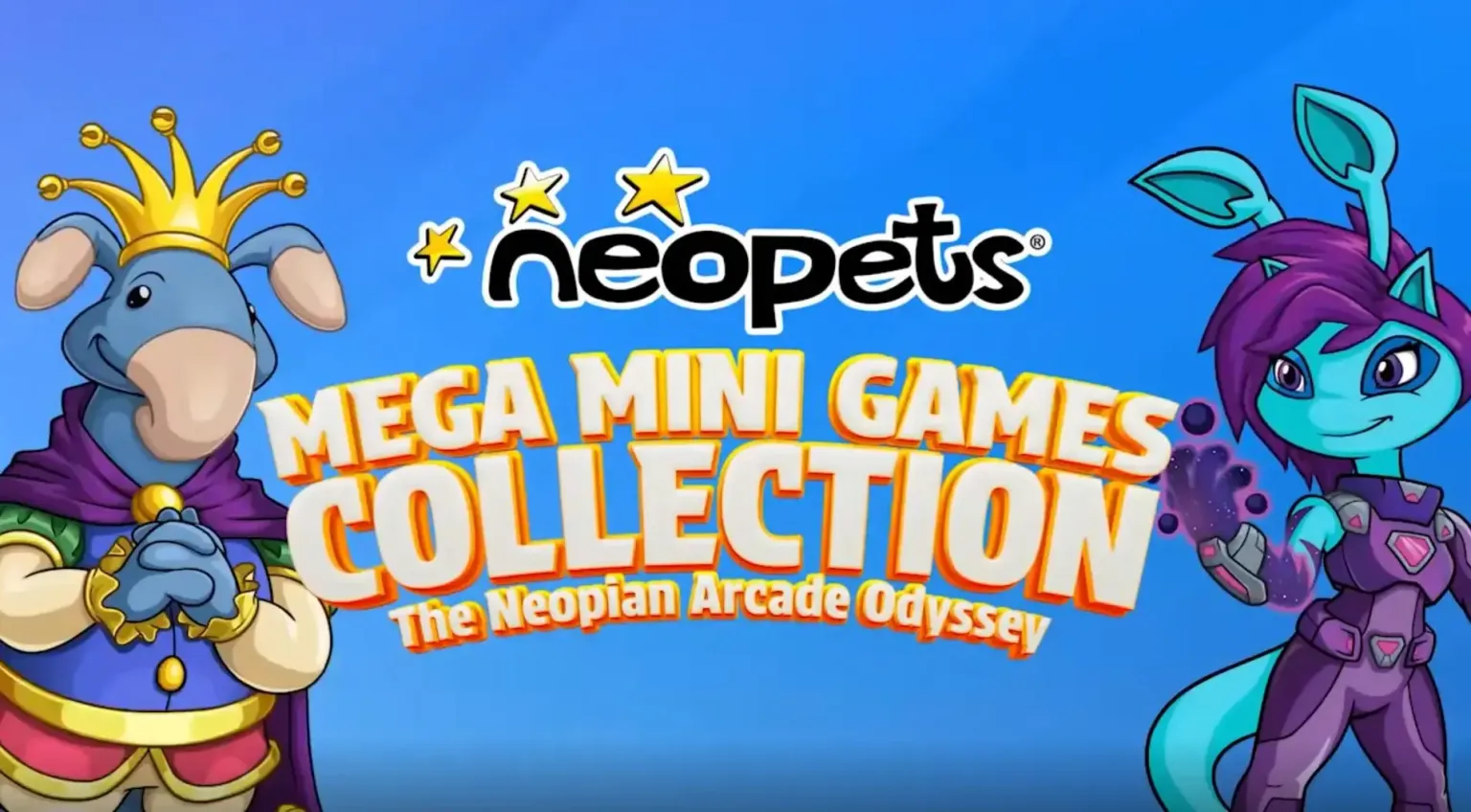
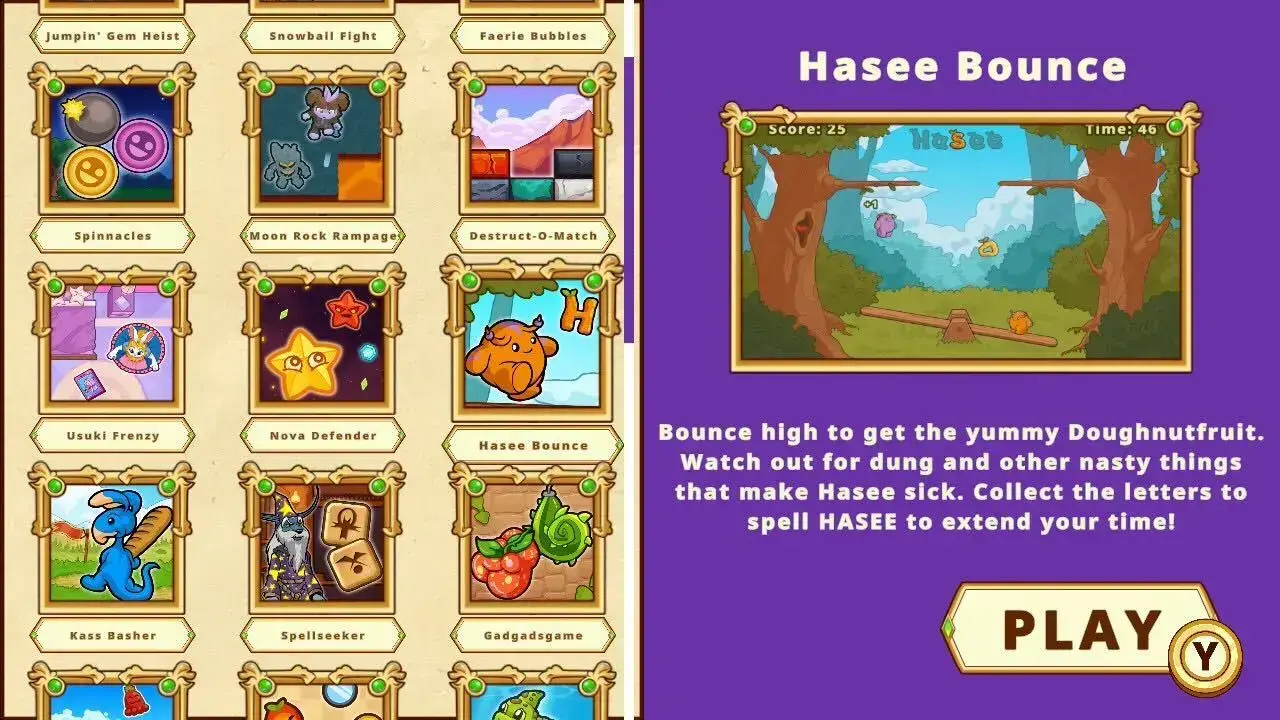
The release of Neopets – Mega Mini Games Collection marks an unusual move: packaging 26 of those classic Flash games and selling them as a commercial product. Launching on March 26 across PC and consoles at $29.99 – offered in both physical and digital formats to commemorate Neopets’ 26th anniversary – the collection represents a deliberate attempt to monetize nostalgia. The games now support controllers and have been optimized for modern widescreen displays, a significant technical shift from their browser-based origins.
Players who link their NeoPass account can unlock cosmetic items, in-game currency, and exclusive digital rewards, though this feature remained unavailable during testing. The selection, while limited – out of over 150 games in the original Game Room, only 26 made the cut – includes a reasonable variety of the classics.
Story mode as obligatory gatekeeping
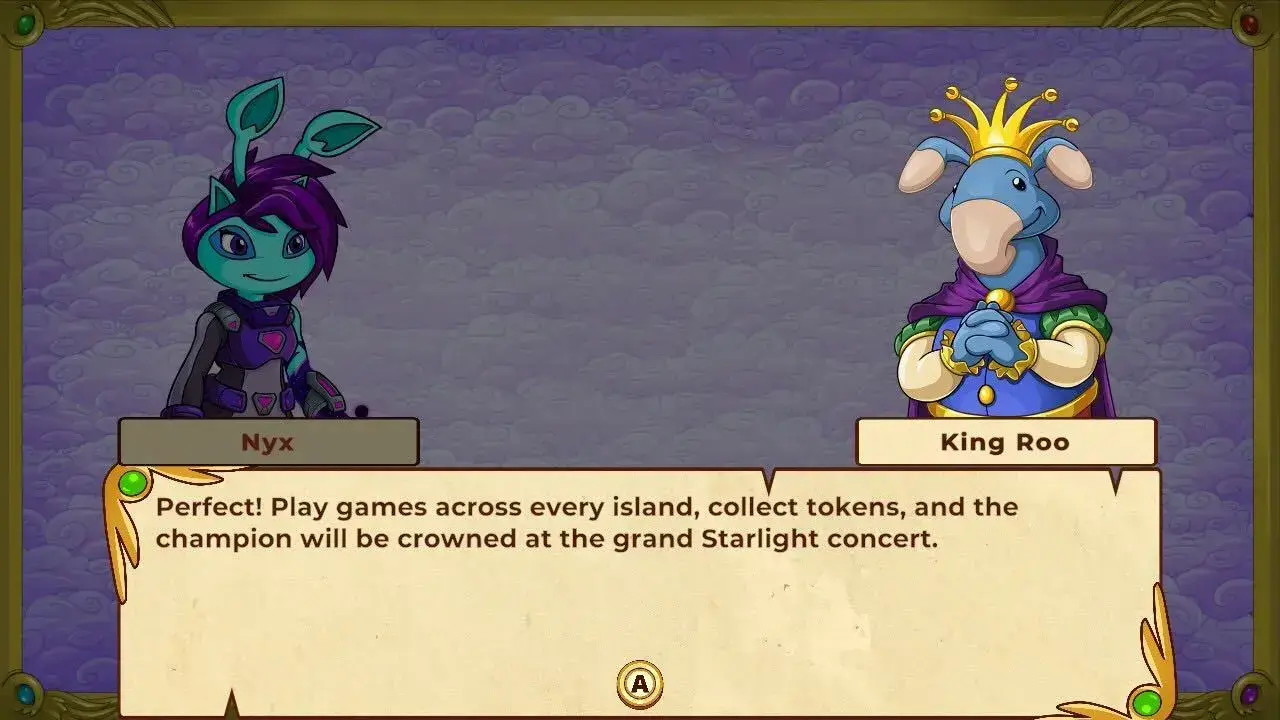
The collection includes a story mode centered around a character named Nyx, who competes in a tournament across various Neopia regions against friendly rivals. Progress requires hitting score thresholds across all 26 arcade games. Familiar faces – Grarrg, King Roo, and Samrin Chitik among them – appear throughout, though largely in secondary roles and background dialogue.
On paper, this framing sounds charming. In execution, it becomes a barrier rather than a feature. Completing the story mode is mandatory to access the arcade mode – the actual reason most players would make this purchase. The campaign itself unfolds in roughly one to two hours, a pace driven primarily by embarrassingly lenient score requirements rather than genuine challenge.
The dialogue, however, undermines the experience consistently. Interactions feel stilted and repetitive, constantly emphasizing which games support cooperative play. The writing reads unnaturally enough that players spend most of the campaign mashing buttons on their controllers simply to skip past conversations.
Technical stumbles in a paid product
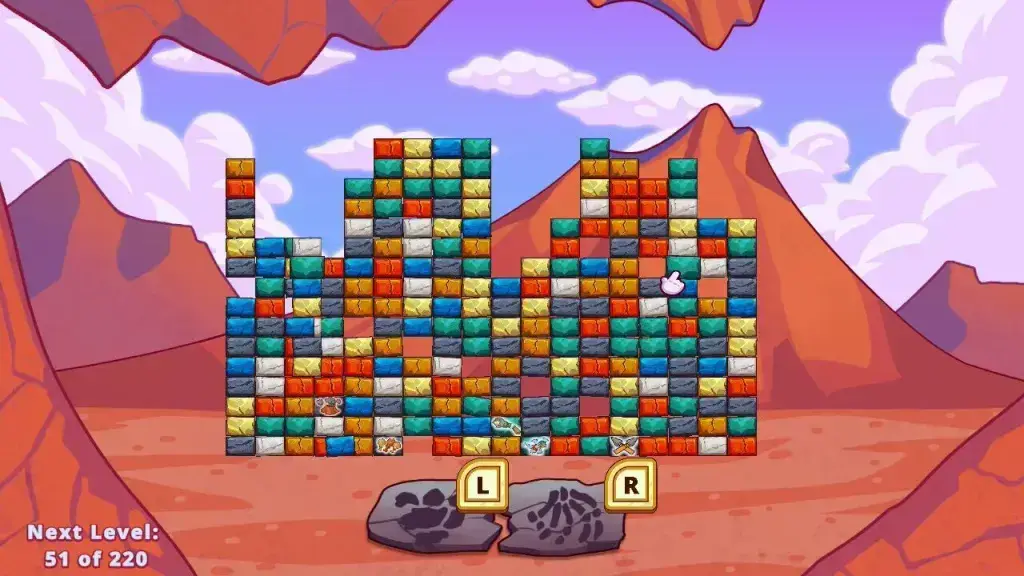
The transition from free browser games to a premium collection should have been an opportunity to polish the experience. Instead, bugs emerged across multiple titles. Destruct-O-Match suffers from overlapping tiles. Gadgadsgame features fruit that refuses to fall properly. These aren’t catastrophic failures, but they’re noticeable enough to interrupt gameplay and force restarts – meaning lost progress within that particular mini-game.
Flash games were never known for flawless execution, and the developers at No Gravity Games deserve credit for translating them to new hardware. Yet bundling free games into a commercial release carries an implicit obligation: the result should feel complete and functional. Minor glitches become less forgivable when customers have paid for the experience.
One new game, several notable absences
To mark the occasion, No Gravity Games created an original entry called Starlight Symphony – a rhythm game loosely following Guitar Hero mechanics, with players tapping buttons to the beat. The gameplay feels familiar, borrowed from established rhythm game frameworks, and the soundtrack recycles melodies from other titles in the collection. It doesn’t distinguish itself enough to warrant attention.
More frustrating are the omissions. Classic favorites like Mynci Beach Volleyball and Chia Bomber 2 didn’t make it into the final package, decisions that feel arbitrary given the space constraints of a 26-game collection. Revisiting overlooked titles might have offered more value than introducing a forgettable rhythm game.
The verdict for returning players
Neopets – Mega Mini Games Collection does accomplish its primary goal: it brings 25 classics to modern consoles and desktop systems in portable, controller-friendly packages. For players who spent hours in the original Game Room, it offers a convenient way to revisit that specific period of their gaming history.
But convenience and nostalgia alone don’t justify the $29.99 price tag. The limited library of games, combined with a tedious story mode and various technical issues, makes a strong recommendation difficult. More critically, every single game in this collection remains freely available in a standard web browser on any computer. The collection doesn’t fix the originals, doesn’t expand them meaningfully, and doesn’t add enough new content to justify the cost. It simply repackages what already exists – functional, but far from essential.