
NBA The Run captures something genuine about pickup basketball. That burst of adrenaline when your first shot drops clean. The novelty of rotating players and watching the game shift. And then – inevitably – the wall. Too many games, too many threes, too many alley-oops until your brain quietly decides it would rather be anywhere else. The experience burns bright and burns fast.
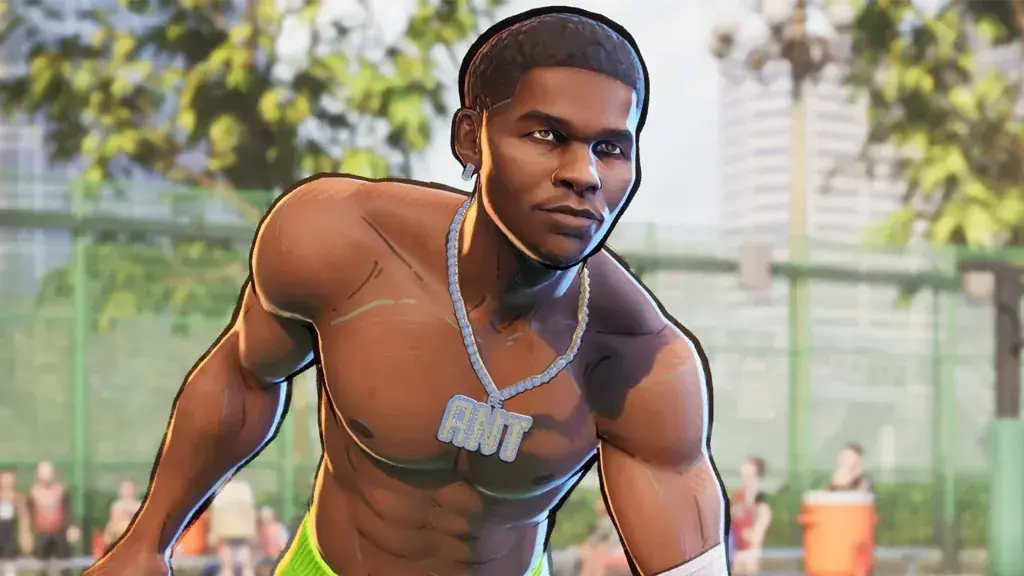
The roster does genuine heavy lifting here. Over 30 NBA all-stars plus five street legends populate the 3v3 matches, and switching between them never feels arbitrary. Victor Wembanyama plays like an actual alien – shooting, dunking, and swatting with those impossibly long arms. Stephen Curry and Damian Lillard pull up from distances that should be illegal. Ja Morant turns every drive into a highlight clip. The championship won with Devin Booker genuinely felt different from the one claimed with Nikola Jokic, and that distinction matters more than it might sound.
One element that genuinely surprised: the game accurately replicates each player’s signature shooting form. Booker’s silky release. LaMelo Ball’s unorthodox flick. Developer Play by Play Studios didn’t copy-paste generic animations across the roster – each star moves like themselves, which elevates every match into something more authentic than expected.
Two primary modes define the experience. Knockout Squads mirrors The Park from NBA 2K – three real players controlling one character each, forcing actual teamwork. Knockout Solos flips that entirely, putting you in control of all three players simultaneously against someone doing the same. A third option, Knockout Friends, promises private tournaments for up to 48 participants competing for a championship bracket, though it wasn’t available for testing before release.
Knockout Squads pulled harder across the runs. The unpredictability of random teammates, the taunting from both sides, the pure chaos of winning with strangers – nothing in the solo format replicates that. Sometimes you get paired with someone who refuses to pass. It happens often. But match times stay short enough that taking the loss and running it back costs almost nothing.
Courts that feel like real destinations
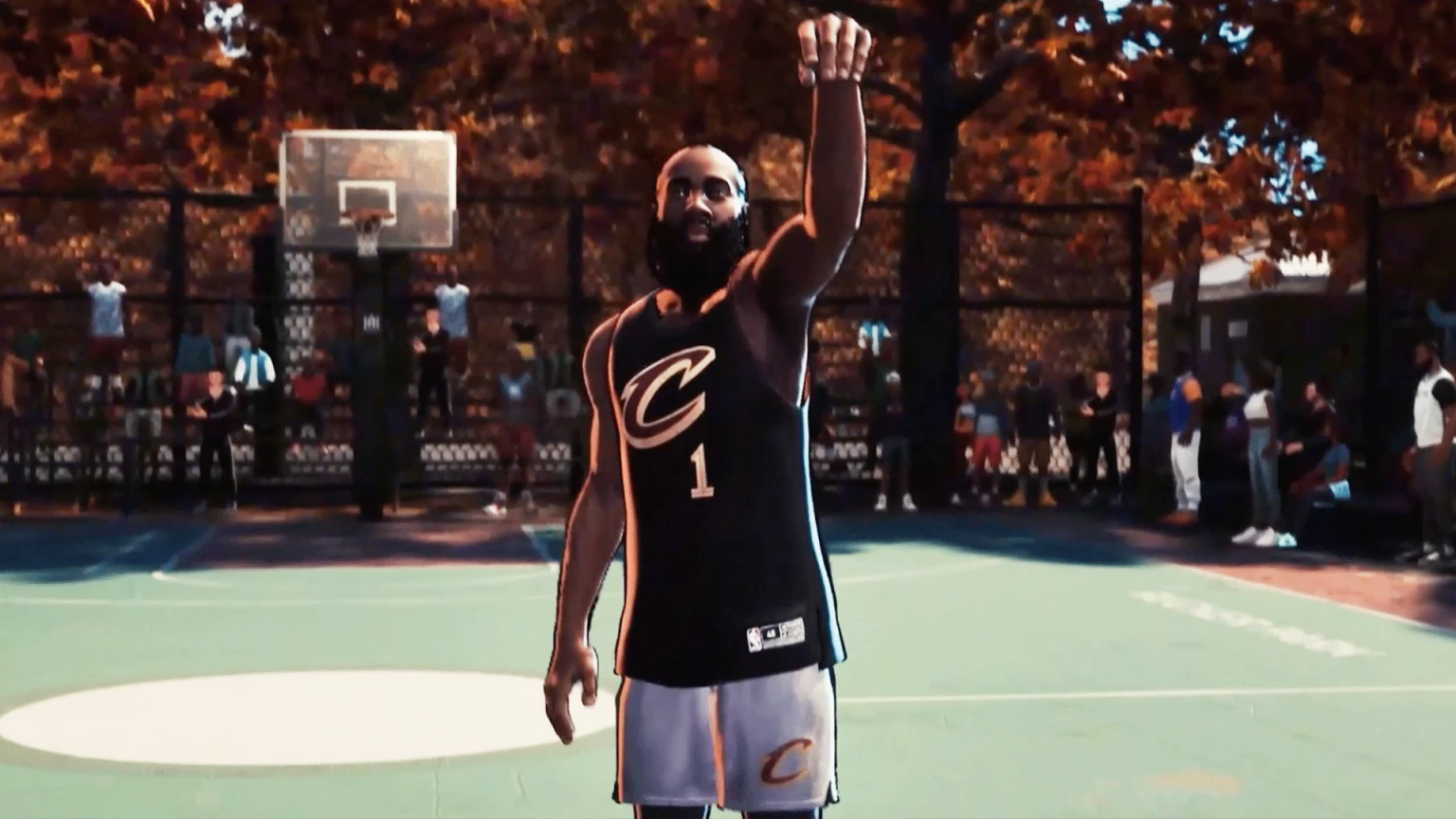
Seven courts span the globe, and each one receives the kind of care that transforms a background into a character. The Tenement – pulled directly from Manila, Philippines – stands as a personal favorite: a court surrounded by crowds of all ages, capturing basketball as the communal spectacle it actually is. Rucker Park earns its legendary status in digital form. Every arena functions as a near-accurate recreation of a real location, which turned early sessions into something resembling a global tour – occasionally at the cost of paying attention to the actual match.
The match type roulette system is where NBA The Run genuinely distinguishes itself. Before each game, a random format gets selected – Triple Threat awards three points only for three-pointers while everything else scores one; another variant turns everything into a single point regardless of whether it’s a half-court shot or a thunderous alley-oop; yet another reshuffles point values entirely to reward dunks at the same rate as long-range bombs. The unpredictability works.
When dunks count as threes, a team built entirely around Curry, Lillard, and Booker becomes a liability against balanced lineups. This rotation system quietly pushes players to explore the roster rather than grinding the same strategy repeatedly. Locking into one character or one game format for an entire session would drain the fun faster than almost anything else the game could do wrong.
When the legs go, they go fast
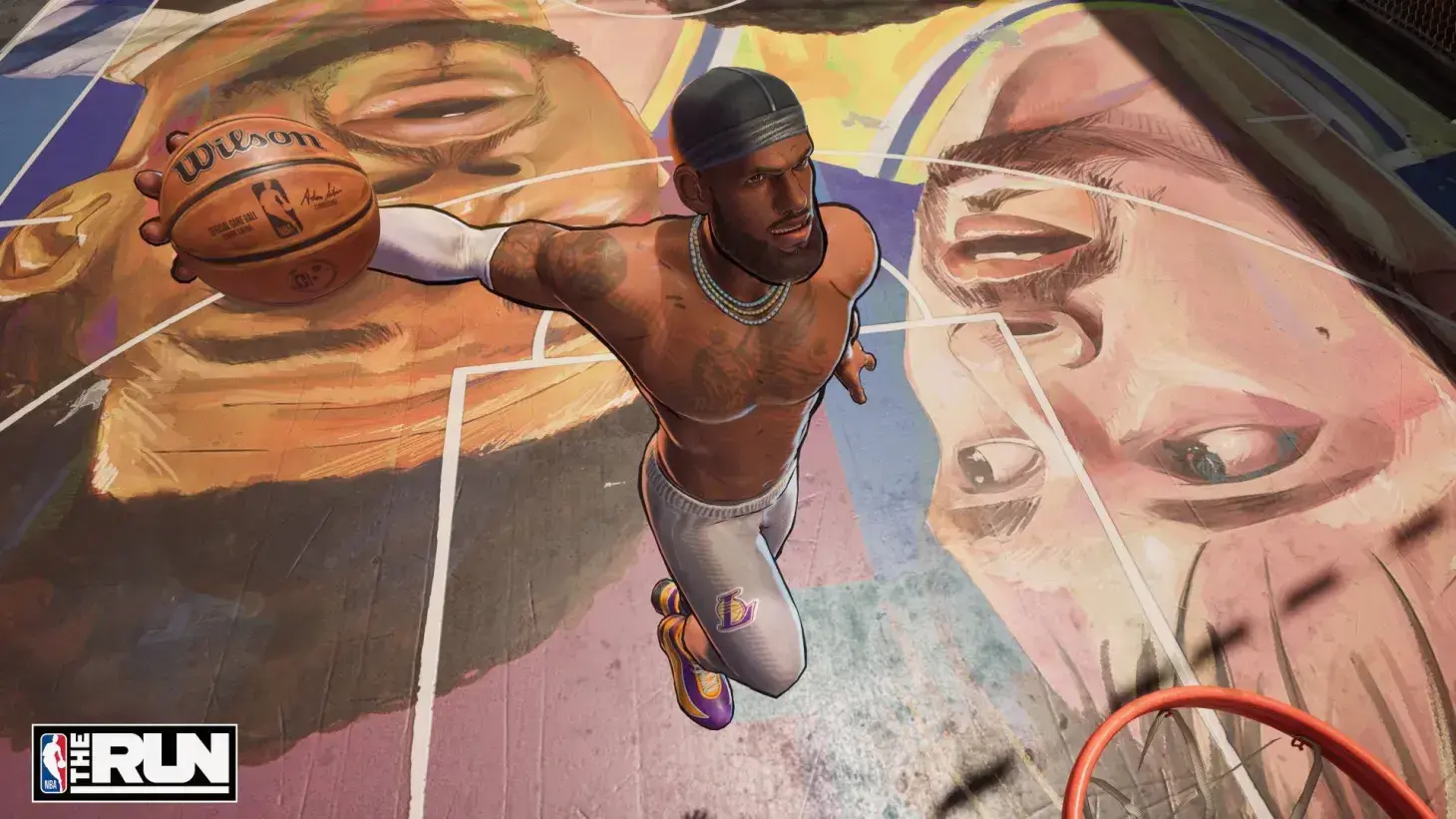
By the 22nd match at the Dongdan Sports Complex, something shifts. Zion Williamson’s 360-windmills stop landing with the same impact. Trae Young’s half-court heaves become expected rather than electric. The accumulated championships start blurring together. After working through both primary modes and playing as essentially every available character, the thrill of that first title run is simply gone.
When you’ve won everything available, the motivation to keep competing narrows considerably. New content arriving in future weeks or months could change that calculation – the same way it might pull a retired champion back for one more season – but at launch, the well empties faster than the game’s short match times would suggest.
NBA The Run operates more as a descendant of NBA Street than a direct spiritual successor, which works in its favor. It shares the curated star roster, the lovingly constructed courts, and the soundtrack anchored by DJ Bobbito Garcia’s ever-present vocals. What separates it is the online-first, rapid-fire structure replacing the classic single-player arcade format – and for modern audiences, that’s genuinely the right call. The problem is that the same frantic pacing creating those electric early moments also accelerates the point where everything flattens. Championships accumulate quickly. Highlights blur. What once felt earned starts feeling delivered. The runs remain enjoyable in short doses, but the game packs up before the lights go out.