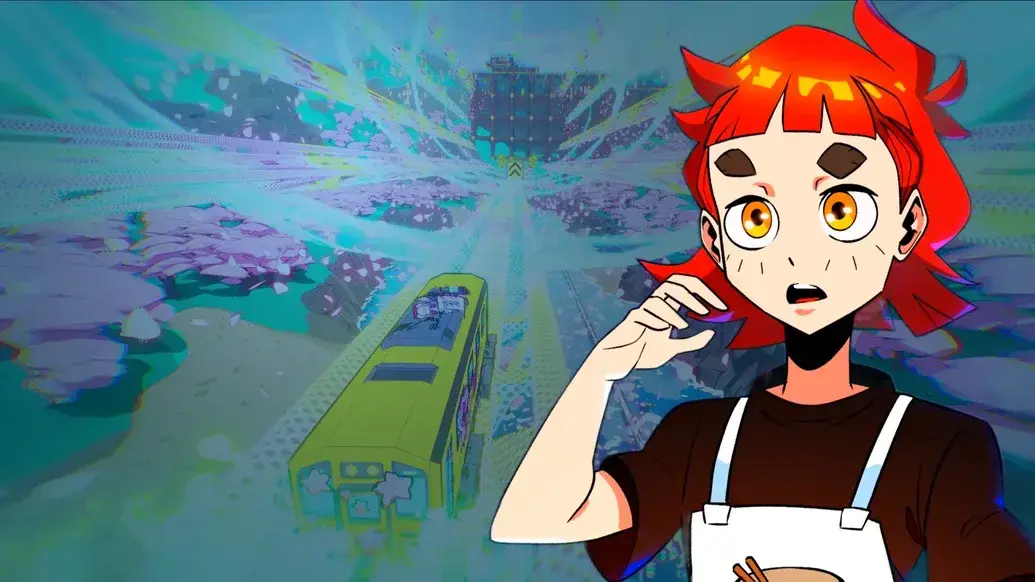

When an independent Spanish studio decides to combine locomotive transportation with skateboarding culture, the result is nothing short of an absolute revelation. Denshattack! – developed by Undercoders – steps onto the virtual tracks as a brilliant arcade grind-em-up. It draws instant, nostalgic comparisons to timeless classics like Jet Set Radio, Hi-Fi Rush, and the legendary Tony Hawk’s series. This title manages to capture that elusive cult-classic magic from its very first moments, proving itself to be an incredible addition to the genre that will likely remain relevant for years to come.
At its core, the game poses a delightfully ridiculous question: what would actually happen if you took a train and forced it to perform skateboard tricks? Operating largely on-rails, the gameplay quickly blossoms into an incredible pop-punk fantasy. It is packed with striking cel-shaded visuals, high-contrast artwork, and a wonderfully varied soundtrack. While funny, the game never falls into the usual trap of parodying a genre only to repeat its mechanical flaws. Instead, the narrative and presentation balance genuine competence with a lighthearted focus on pure, unadulterated fun.
Though many onlookers on social media might label it the spiritual successor to Jet Set Radio due to its grinding, graffiti, and heavy Japanese styling, the actual gameplay loop shares far more DNA with OlliOlli World. Players navigate a linear world map divided into distinct biomes, immediately confronting a steep learning curve. The game is notoriously difficult, but it possesses that rare, addictive quality that demands “just one more try” right from the opening sequence. It installs an immediate mental loop that refuses to let you walk away, keeping you hooked for hours on end.
Adapting to this unconventional control scheme can be incredibly frustrating during your first few hours, even if you are a seasoned veteran of the skateboarding genre. Learning the precise finger inputs and subtle signals required to drift a heavy train around sharp bends takes a significant amount of time and patience. However, once those muscle memory signals finally click, the experience transforms completely. What awaits is a state of absolute arcade perfection – a gaming nirvana where the complex controls become second nature.
The journey begins with two tutorial-heavy worlds designed to teach you the foundational rules of the tracks. Players must master a wide array of maneuvers, including jumping, braking, drifting, and slamming back onto the rails after a derailment. You will soon chain together kickflips, heelflips, wall-rides, and complex aerial transfers, linking massive combos with manual balances. After spending a few hours practicing, you will find yourself fully equipped to finish courses without crashing, build massive score multipliers, and unlock rare special rails by climbing the combo ranks.
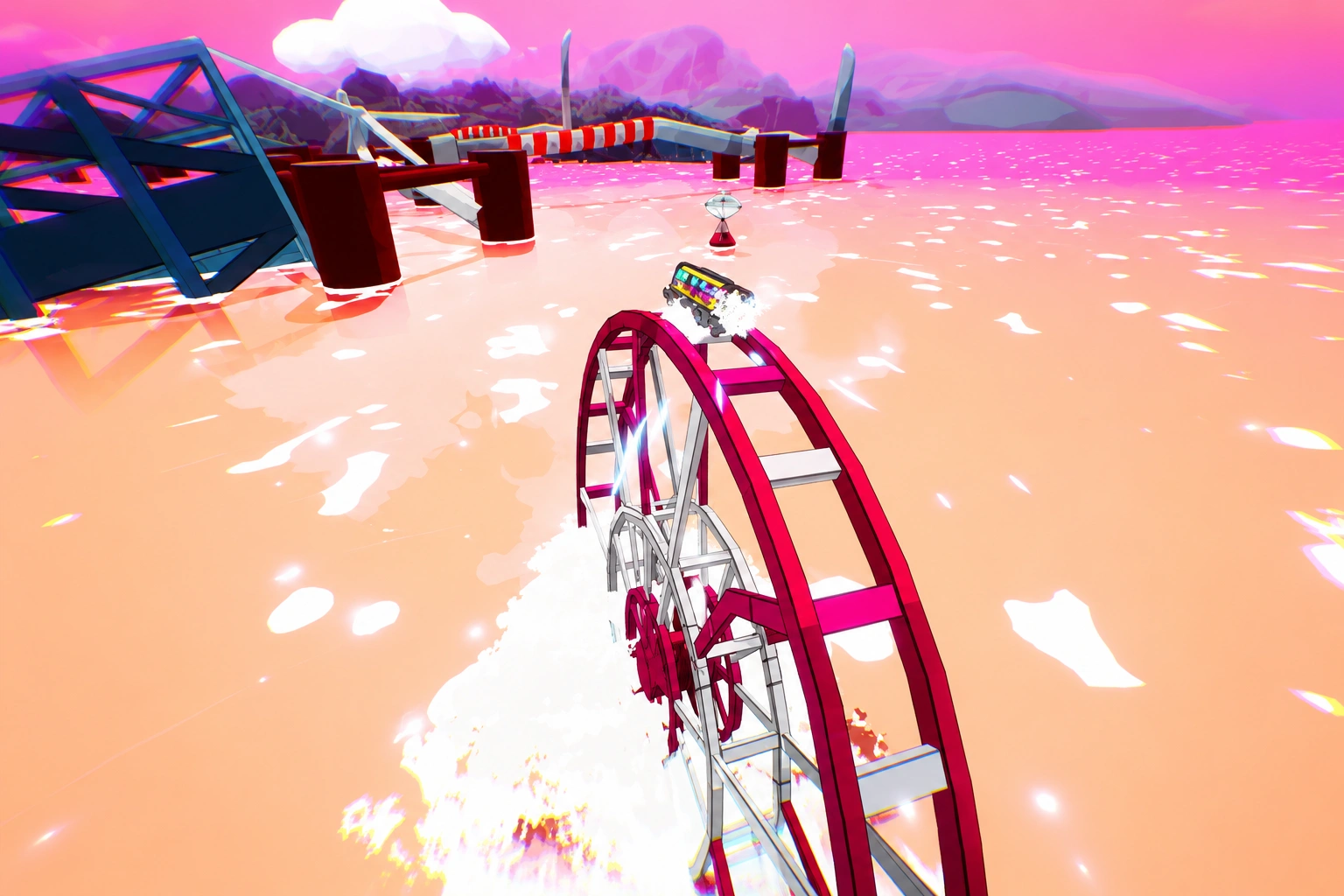
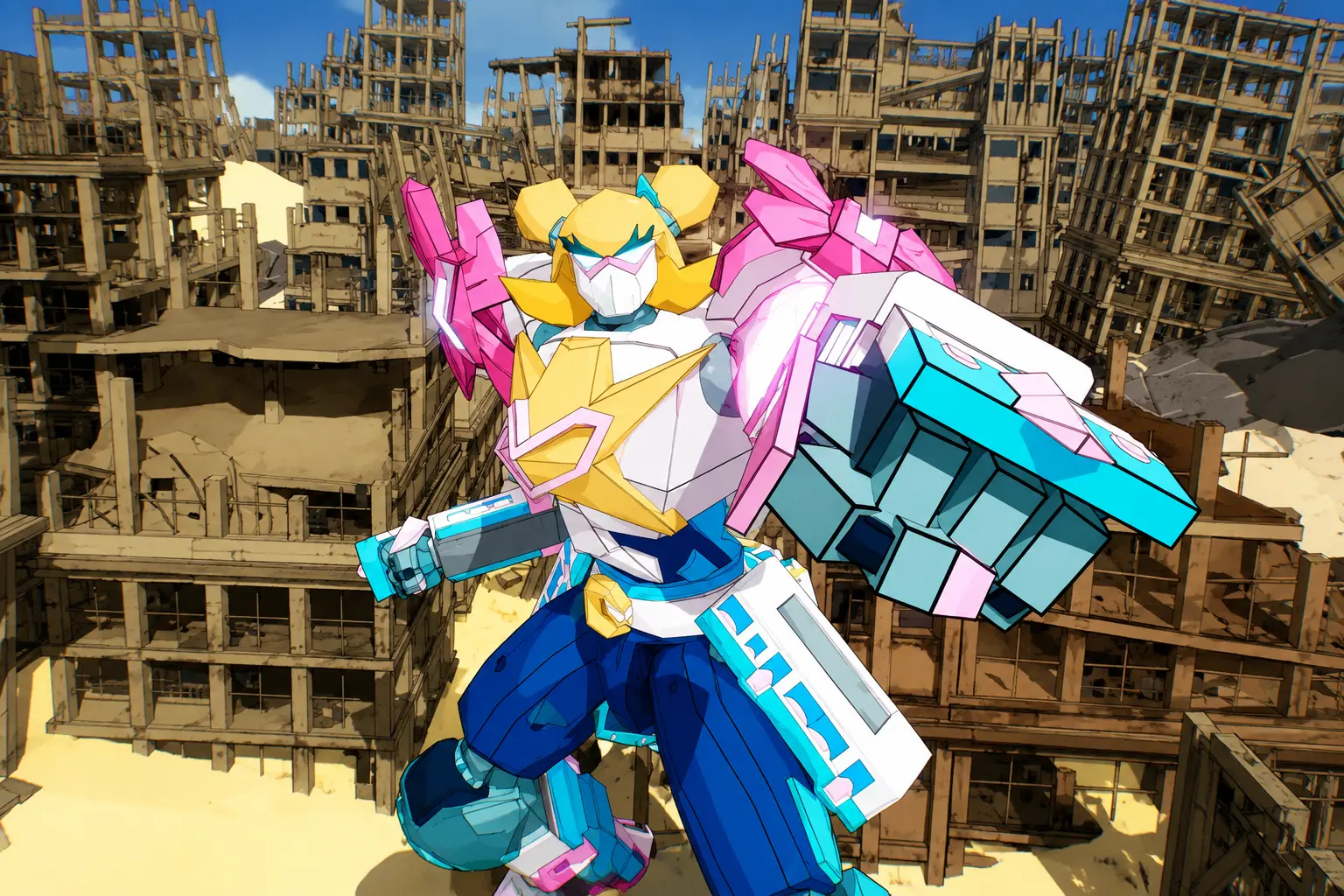
What truly sets the game apart is its commitment to absolute madness. Players will encounter eccentric vendors who live in historical Edo-era castles and obsess over collectible stickers, while customization options lean heavily into loud, maximalist designs. Each new mechanic pushes the boundaries of logic, introducing wall-riding locomotives, dream rails, and even a segment where you ride a giant ferris wheel. The climax of the very first world features one of the most hilariously unexpected surprises of the year – a bizarre encounter that serves as a boss battle and will likely leave you laughing too hard to complete your run. Yet, the humor remains incredibly respectful, staying remarkably earnest about its absurd premise without descending into cheap, mocking jokes.
This respectful approach shines through in how the game handles its cast, such as a character introduced as a furry who is treated with genuine sincerity rather than as a joke. Rival train operators undergo a heartwarming enemies-to-friends transformation as the story unfolds. The only real targets of the game’s satire are the giant, corporate zaibatsu corporations – reminiscent of real-world conglomerates like Suntory or Asahi – that serve as the main antagonists. It is a classic battle of human creativity against faceless, profit-driven corporate systems.
To combat this soulless corporate adversary, your character utilizes street fashion, graffiti, and a creative zine-publishing side quest. The visual polish and style on display rival the high-end presentation of modern Persona games, complete with slick menu transitions and distinct character personalities. It is genuinely impressive that an independent Spanish developer created something with such authentic style and raw aura, rather than a legendary Japanese studio. The soundtrack is equally spectacular, featuring hidden instrumental gems in the settings menu that will have you pausing the game just to listen. For a package of this immense quality, the price tag of £15.99 feels like an absolute steal.
Admittedly, the opening hours might feel slightly repetitive and overly linear as you follow the basic tracks. However, once the training wheels are off, the game opens up beautifully, revealing multiple branching paths, hidden exits, and new shops that accept your collected items as currency. This transition evokes the classic sensation of leaving the Great Plateau in Breath of the Wild or stepping out of the Undead Burg in Dark Souls. Discovering this level of depth and wonder within a seemingly simple arcade game is a testament to the sheer quality Undercoders has packed into the experience.
Completionists who refuse to progress without perfecting every single stage will find a formidable challenge waiting for them. While initial target times and gold-level scores are relatively easy to achieve, the difficulty ramps up significantly after the first few worlds. Snatching collectibles – like elusive spray paint cans floating high above the starting area – will require meticulous planning and multiple attempts. Fortunately, these grueling tasks never feel cheap or poorly designed. When you inevitably crash right at the finish line at two in the morning after practicing a stage for thirty minutes, you will find yourself calmly restarting the level, fully aware that the failure was entirely your own fault.
While recent modern remakes of the Tony Hawk’s franchise were technically competent, they often lacked the chaotic, rebellious soul that defined the classic Neversoft era. This title delivers that missing, irreverent spirit in spades, blending Jet Set Radio’s style with OlliOlli’s precise, gameplay-first craftsmanship to create something completely refreshing. Irreverent, unpredictable, and thoroughly addictive, Denshattack! serves as a pure dose of anti-capitalist, pop-punk optimism. Given its humble origins and wildly ambitious goals, the game is a triumphant achievement that skateboarding and arcade fans simply cannot afford to miss.